Benefits of Guava Leaves
 Espanol
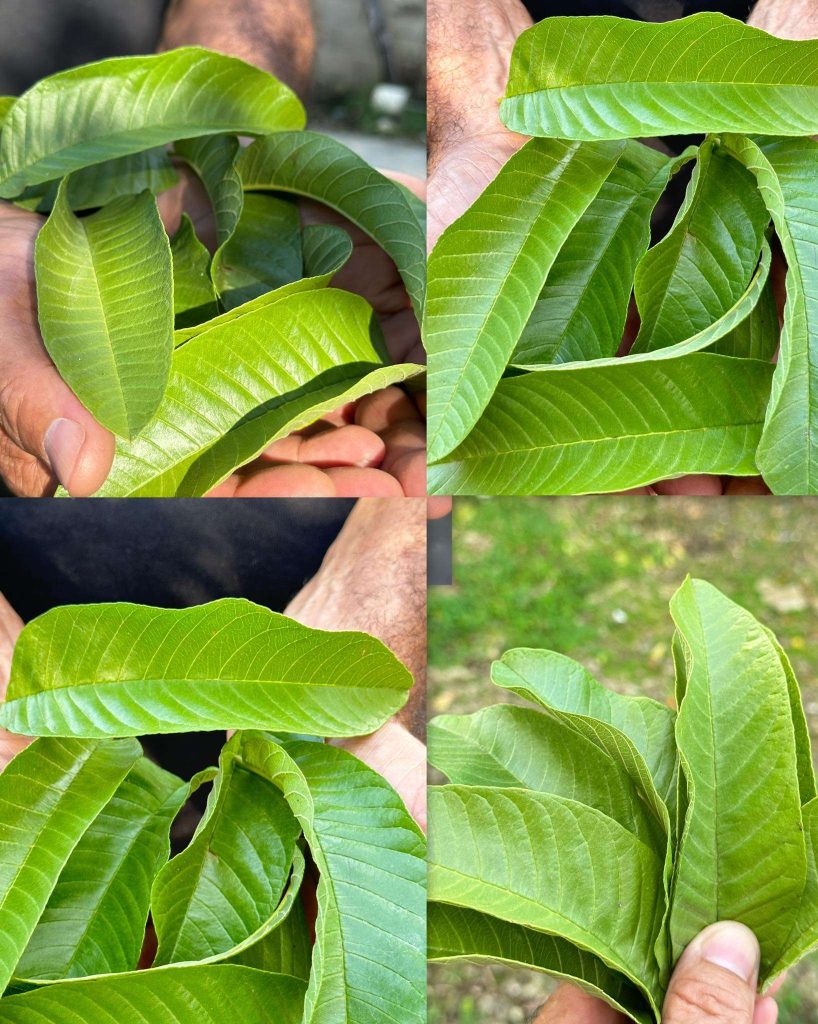
Welcome, health enthusiasts and curious readers! 🌿 Have you ever walked past a guava tree and admired its fruit without a second thought for its leaves? You're not alone. While the sweet, tangy guava fruit often steals the spotlight, its humble leaves are a treasure trove of wellness benefits waiting to be discovered. This article delves deep into the remarkable, science-backed advantages of guava leaves, transforming them from garden refuse to a cornerstone of natural health. Our goal is to provide you with a comprehensive, practical guide to harnessing their power for improved well-being.
Espanol
Unveiling the Powerhouse: Nutritional Profile of Guava Leaves 🍃
Before we explore the specific benefits, it's crucial to understand why guava leaves are so potent. They are densely packed with bioactive compounds, including powerful antioxidants like quercetin and vitamin C, as well as anti-inflammatory agents such as flavonoids and tannins. These leaves also possess significant antimicrobial properties, largely due to compounds like guajaverin. This rich phytochemical composition is the foundation for their wide-ranging therapeutic effects, supporting everything from metabolic health to skincare.
A Deep Dive into the Key Health Benefits of Guava Leaves 💊
The applications of guava leaves in promoting health are both diverse and impressive. Let's explore the most significant ones.
Blood Sugar Regulation and Diabetes Support
One of the most celebrated benefits of guava leaf tea is its impact on blood glucose levels. Studies suggest that compounds in the leaves inhibit the absorption of certain types of sugars in the blood, such as maltose and sucrose. Drinking guava leaf tea after meals can help prevent blood sugar spikes, making it a valuable, natural adjunct for individuals managing diabetes or insulin resistance. Consistency is key—incorporating it as a daily ritual can yield the best supportive results. 🩺
Boosting Digestive Health & Aiding Weight Loss
Guava leaves are a traditional remedy for various digestive ailments. Their antimicrobial properties can help combat harmful bacteria in the gut, potentially easing symptoms of diarrhea and food poisoning. Furthermore, the leaves contain compounds that may inhibit the production of starches from turning into sugars, which can support weight management efforts. A warm cup of guava leaf tea can soothe the stomach, reduce bloating, and promote a healthier digestive environment. 🌱
Enhancing Heart Health and Circulation
Heart health gets a boost from guava leaves in several ways. The antioxidants help protect the heart from oxidative stress, while the leaves' potential to lower "bad" LDL cholesterol and triglycerides contributes to clearer arteries. Some research also points to a mild hypotensive effect, which may help in managing high blood pressure. Supporting your cardiovascular system can be as simple as swapping your afternoon coffee for a cup of guava leaf infusion. ❤️
Skincare, Haircare, and Anti-Aging Properties ✨
The benefits aren't just internal. Applied topically, a cooled guava leaf decoction or paste can work wonders for your skin and hair. Its anti-inflammatory and antimicrobial nature makes it excellent for treating acne, reducing redness, and combating skin infections. The antioxidants fight free radicals, slowing down the appearance of wrinkles and fine lines. For hair, rinsing with guava leaf water is believed to strengthen hair follicles, combat dandruff, and promote healthy growth, thanks to its nutrient-rich profile.
Practical Guide: How to Use Guava Leaves at Home 🏠
Knowing the benefits is one thing; applying them is another. Here’s how to easily integrate guava leaves into your routine:
1. Guava Leaf Tea (Infusion): This is the most common and effective method. Simply wash 5-10 fresh leaves (or use 1 tablespoon of dried leaves). Gently crush them to release their oils, add to a cup of boiling water, cover, and steep for 8-10 minutes. Strain and enjoy. You can add honey or lemon for flavor.
2. Topical Applications: For skin, boil a handful of leaves in water for 15-20 minutes. Let the solution cool completely, then use it as a facial toner or wash. For hair, use the same decoction as a final rinse after shampooing.
3. Culinary Uses: Young, tender guava leaves can be blended into smoothies for a nutrient kick, though their flavor is quite bitter.
Always consult with a healthcare professional before using herbal remedies for therapeutic purposes, especially if you are pregnant, nursing, or on medication. ⚠️
Conclusion: Embracing Nature's Green Elixir
As we have explored, the unassuming guava leaf is far more than just tree foliage; it is a versatile, accessible, and powerful natural remedy. From regulating blood sugar and aiding digestion to enhancing your skin's radiance and protecting your heart, its benefits are backed by both traditional wisdom and growing scientific interest. By incorporating guava leaf tea into your daily wellness ritual or using it in topical applications, you are tapping into an ancient source of healing. We encourage you to explore this natural wonder responsibly and experience its multifaceted gifts for your health and vitality. The journey to natural wellness often begins with the simplest leaves in your backyard. 🌟
Deja una respuesta