Benefits of Guava Leaves
 Espanol
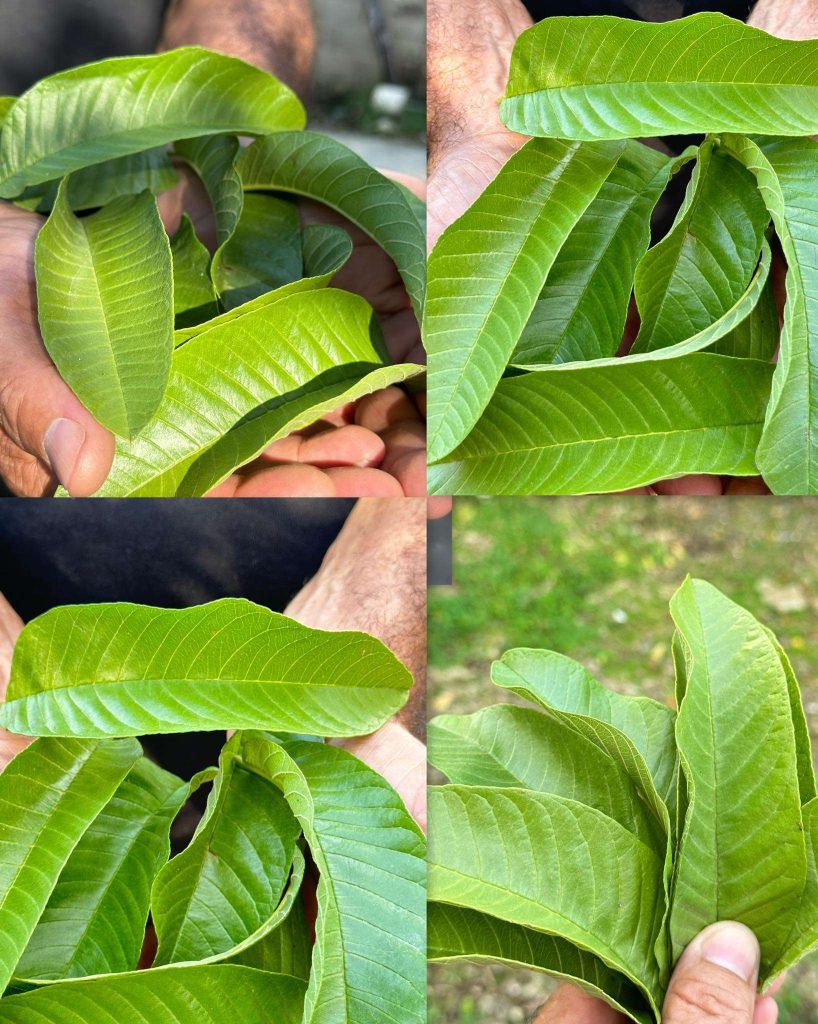
🌿 Welcome to a deep dive into the incredible world of guava leaves! Often overshadowed by the delicious fruit they bear, these humble leaves are a powerhouse of nutrients and healing compounds. In this article, we will explore the science-backed benefits of guava leaves, offering you practical ways to integrate this natural remedy into your daily wellness routine. Get ready to discover why this leaf deserves a prime spot in your pantry! 🍃
Espanol
Unlocking the Nutritional Profile of Guava Leaves
Before delving into the specific benefits, it's crucial to understand what makes guava leaves so special. They are rich in potent antioxidants like flavonoids and phenolic compounds, vitamins (particularly vitamin C and B vitamins), and essential minerals such as potassium and magnesium. Furthermore, they contain quercetin and other bioactive substances with strong anti-inflammatory and antimicrobial properties. This unique combination is the foundation for their wide-ranging health applications. 💪
Digestive Health and Gastrointestinal Relief
One of the most celebrated traditional uses of guava leaves is for soothing digestive ailments. A warm tea made from the leaves can work wonders for an upset stomach. The leaves possess strong antibacterial properties that can help combat harmful gut bacteria like Salmonella and E. coli, while leaving beneficial flora untouched. 🌿
Practical Tip: To alleviate symptoms of diarrhea or food poisoning, boil 5-6 washed guava leaves in a liter of water for 10 minutes. Strain and drink this tea in small doses throughout the day. The astringent qualities also help reduce intestinal inflammation and mucus production.
A Natural Ally for Blood Sugar Management
Emerging research presents guava leaf tea as a promising complementary approach for managing type 2 diabetes. Compounds in the leaves inhibit certain enzymes (alpha-glucosidase) that convert carbohydrates into glucose in the bloodstream, leading to a more gradual rise in blood sugar levels after meals. 🩸
Crucial Advice: While beneficial, guava leaf tea should not replace prescribed medication. Always consult with your healthcare provider before using it as part of your management plan, as it may interact with diabetes drugs.
Boosting Heart Health and Circulation
Your cardiovascular system can also benefit from guava leaves. The high potassium content helps regulate blood pressure by counteracting the effects of sodium and easing tension in blood vessel walls. The antioxidant properties aid in reducing oxidative stress and preventing the oxidation of LDL ("bad") cholesterol, a key step in the formation of arterial plaque. ❤️
Incorporating guava leaf tea into a heart-healthy lifestyle, which includes a balanced diet and regular exercise, can be a simple yet effective supportive measure.
Enhancing Skin Health and Treating Acne
Move over, expensive creams! Guava leaves offer impressive dermatological benefits. Their antiseptic and anti-inflammatory properties make them excellent for treating acne and preventing infections. The antioxidants also fight free radicals, slowing down skin aging and improving elasticity. ✨
Easy Face Mask Recipe: Grind a handful of fresh leaves with a little water to create a paste. Apply to clean skin, leave on for 10-15 minutes, and rinse with cool water. This can help reduce redness, shrink pimples, and leave your skin feeling refreshed.
Supporting Weight Loss Efforts
If you're on a weight management journey, guava leaf tea can be a helpful companion. It works primarily by preventing the breakdown of complex carbohydrates into sugars, which the body would otherwise store as fat. By promoting a more efficient metabolism, it can support your dietary and exercise goals. 🏃♀️
Remember, no single herb is a magic solution. For sustainable weight loss, pair this tea with a nutrient-rich diet and consistent physical activity.
Oral Hygiene and Relief from Toothaches
Long used in folk medicine for toothaches and gum disease, the analgesic and anti-inflammatory properties of guava leaves provide genuine relief. Chewing on tender young leaves or using a decoction as a mouthwash can reduce gum inflammation, soothe mouth ulcers, and combat bad breath caused by bacterial overgrowth. 😁
How to Prepare and Use Guava Leaves Safely
To reap these benefits, knowing how to prepare guava leaves is key. The most common method is as a tea or decoction.
- For Tea: Steep 3-5 dried or fresh leaves in hot water for 5-10 minutes. Strain and enjoy. You can add honey or lemon for taste.
- For Topical Use: Crush fresh leaves to extract the juice or boil leaves to create a concentrated wash for skin or hair.
Important Safety Note: While generally safe, excessive consumption may cause stomach irritation in some individuals. Pregnant or breastfeeding women and those with scheduled surgeries should consult a doctor first.
Conclusion: Embracing a Leaf of Life
As we have explored, the benefits of guava leaves extend far beyond the tree they grow on. From digestive support and blood sugar regulation to enhancing skin and heart health, this accessible natural remedy offers a holistic approach to well-being. 🌍
We encourage you to explore integrating guava leaf tea into your routine as a supportive, natural health practice. Start with a cup a day, observe how your body responds, and consult a professional for personalized advice. By turning to nature's pharmacy, we take an active, informed step towards a healthier, more balanced life. 🍵
Deja una respuesta