Benefits of Guava Leaves
 Espanol
Welcome to a deep dive into the incredible world of the guava tree! 🌿 While the sweet, fragrant fruit often steals the spotlight, its leaves are a hidden gem packed with remarkable health-promoting properties. For centuries, traditional medicine systems have harnessed the power of guava leaves, and modern science is now catching up, validating their numerous benefits. This article will explore the science-backed advantages of incorporating guava leaves into your wellness routine, offering practical tips on how to use them. Get ready to discover why this humble leaf deserves a place in your pantry and your life!
Espanol
Unlocking Nutritional Power: What's in a Guava Leaf? 🔬
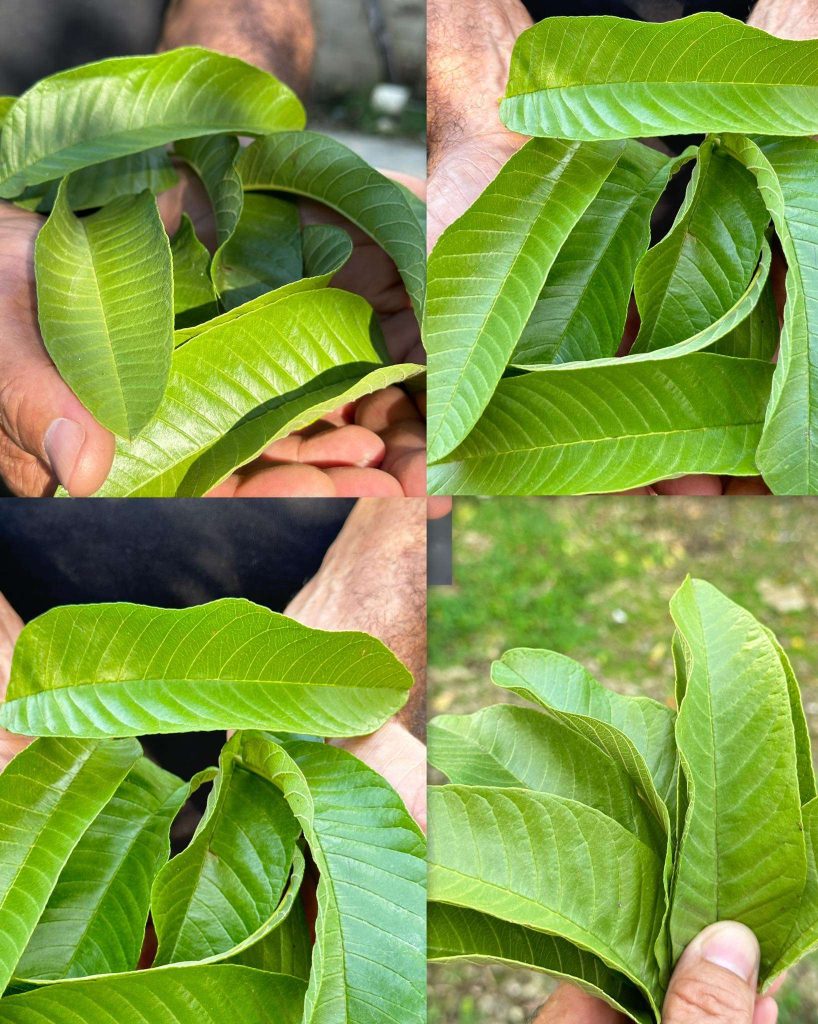
Guava leaves (Psidium guajava) are a powerhouse of bioactive compounds. They are rich in potent antioxidants like quercetin and vitamin C, which combat oxidative stress and free radical damage in the body. Furthermore, they contain anti-inflammatory flavonoids, essential oils, and beneficial tannins. These leaves also possess notable antimicrobial and antibacterial properties, making them a versatile natural remedy. This unique phytochemical profile is the foundation for the wide array of health benefits we will discuss.
A Friend to Your Gut: Digestive and Anti-Diarrheal Aid 🫀
One of the most celebrated uses of guava leaves is for supporting digestive health. The leaves have strong anti-bacterial and anti-spasmodic properties that can help alleviate stomach cramps, bloating, and gastrointestinal discomfort. More specifically, research suggests that guava leaf extract can be effective against common gut pathogens. For practical use, drinking a cup of warm guava leaf tea after a heavy meal can soothe the digestive system and promote comfort. It's a simple, natural way to give your gut some love.
Blood Sugar Balance: A Natural Support for Management 📊
Emerging studies highlight guava leaves' potential role in managing blood sugar levels. Compounds in the leaves may inhibit the absorption of certain types of sugars in the blood, such as maltose and sucrose. Some research indicates that drinking guava leaf tea can help lower blood glucose levels after meals. While it is not a replacement for prescribed medication, it can be a valuable complementary practice. Always consult with your healthcare provider before using it as part of a diabetes management plan.
Radiant Skin and Strong Hair: Topical and Internal Beauty Benefits ✨
Your skincare routine might benefit from guava leaves too! The antioxidants, particularly vitamin C, help fight skin aging by neutralizing free radicals. The antimicrobial and anti-inflammatory traits make guava leaf extract excellent for treating acne. You can create a simple toner by boiling leaves, cooling the water, and applying it to your face with a cotton pad. For hair health, rinsing with guava leaf water may help combat dandruff and strengthen hair follicles, potentially reducing hair loss. It's beauty care straight from nature's lab.
Heart Health and Cholesterol Support ❤️
Supporting cardiovascular health is another potential benefit. The leaves may help lower "bad" LDL cholesterol and triglycerides, while maintaining "good" HDL cholesterol levels. This effect, combined with their antioxidant capacity, contributes to protecting the heart and blood vessels from damage. Incorporating guava leaf tea as part of a heart-healthy lifestyle—which includes a balanced diet and regular exercise—could be a proactive step for long-term wellness.
Boosting Immunity and Fighting Colds 🤧
With their high vitamin C content and immune-modulating properties, guava leaves are a great ally during cold and flu season. Drinking guava leaf tea can help relieve cough, reduce mucus, and soothe a sore throat due to its anti-inflammatory action. Its antimicrobial nature may also help your body fight off the pathogens causing the illness. Next time you feel under the weather, consider this natural remedy alongside rest and hydration.
Practical Ways to Use Guava Leaves: From Tea to Topical Applications ☕
How can you harness these benefits? Here are the most common and effective methods:
- Guava Leaf Tea: The simplest method. Steep 5-10 fresh or dried leaves in hot water for 5-10 minutes. Strain and enjoy. You can add honey or lemon for taste.
- Topical Paste or Wash: Crush fresh leaves into a paste and apply directly to wounds, acne, or itchy skin. Alternatively, use the cooled tea as a facial rinse or hair rinse.
- Extract or Supplement: Commercially available extracts and capsules offer a concentrated dose. Always choose reputable brands and follow dosage instructions carefully.
Start with small amounts to see how your body responds.
Important Considerations and Safety Notes ⚠️
While guava leaves are generally safe for most people, some considerations are crucial. Pregnant and breastfeeding women should consult a doctor before use. Due to its potential effect on blood sugar, monitor your levels closely if you are diabetic and on medication. As with any herbal remedy, moderation is key. Excessive consumption could lead to stomach irritation in some individuals. It's always wise to introduce any new supplement slowly and pay attention to your body's signals.
Conclusion: Embracing Nature's Pharmacy 🌿
From aiding digestion and balancing blood sugar to enhancing skin radiance and supporting heart health, guava leaves offer an impressive portfolio of benefits backed by both tradition and growing scientific evidence. They stand as a testament to the powerful healing potential found in everyday plants. By incorporating guava leaf tea into your routine or using it topically, you can tap into this natural, accessible resource for holistic well-being. We encourage you to explore this gentle yet potent leaf—your journey toward a more natural approach to health might just begin with a simple cup of tea.
Deja una respuesta