Benefits of Guava Leaves
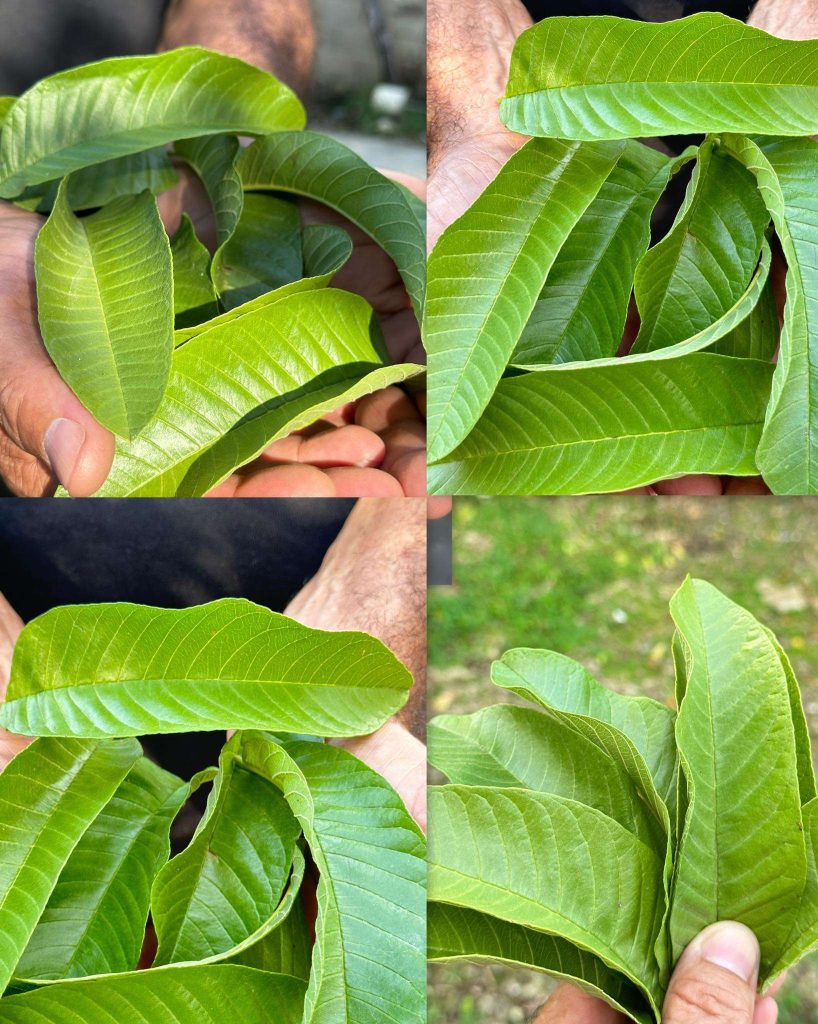
Unlocking Nature's Pharmacy: The Remarkable Benefits of Guava Leaves 🍃
 Espanol
Often overshadowed by its delicious, vitamin-C-rich fruit, the humble guava tree (Psidium guajava) holds a secret powerhouse in its foliage. 🌳 For centuries, guava leaves have been a cornerstone of traditional medicine across various cultures, from Asia to Latin America. Modern science is now catching up, validating what herbalists have long known: these simple leaves possess a complex profile of bioactive compounds offering a wide array of health benefits. This article will delve beyond the superficial, exploring the science-backed advantages of guava leaves, providing practical ways to use them, and empowering you to harness their natural potential for enhanced well-being.
Espanol
Nutritional and Phytochemical Powerhouse
Guava leaves are far from inert. They are packed with a potent mix of vitamins (like B vitamins), antioxidants (notably flavonoids such as quercetin), and essential anti-inflammatory compounds like tannins. They also contain powerful antibacterial and antimicrobial agents. This unique composition is responsible for their broad therapeutic effects. Think of them as a natural, multi-target supplement growing on a tree. 🧪✨ The high antioxidant content, in particular, is crucial for combating oxidative stress—a root cause of chronic inflammation, aging, and numerous diseases.
Key Health Benefits Explored
Let's break down the specific, evidence-supported ways guava leaves can contribute to your health.
🩺 Blood Sugar Regulation & Diabetes Support: This is one of the most well-researched benefits. Compounds in guava leaves inhibit certain enzymes that convert carbohydrates into sugar in the bloodstream (like alpha-glucosidase). Drinking guava leaf tea after meals can help moderate blood glucose spikes. Several studies suggest it improves insulin sensitivity and can be a valuable complementary practice for managing type 2 diabetes. Always consult with your doctor, but incorporating the tea could be a supportive dietary strategy.
❤️ Cardiovascular and Cholesterol Health: The leaves contribute to heart health in two primary ways. First, their antioxidant properties help protect LDL ("bad") cholesterol from oxidation, a key step in plaque formation. Second, regular consumption has been linked to lowering triglycerides and harmful LDL cholesterol while raising beneficial HDL cholesterol. This trifecta supports cleaner, more flexible arteries and better overall cardiovascular function.
🤧 Digestive Soothing and Anti-Diarrheal Properties: The high tannin content gives guava leaves strong astringent qualities. This can help reduce symptoms of gastroenteritis, diarrhea, and dysentery by inhibiting microbial growth and reducing intestinal inflammation. A cup of warm guava leaf tea can calm an upset stomach, much like traditional black tea but often more effectively. Its natural antimicrobial action targets pathogens like Staphylococcus aureus and E. coli without disrupting your gut's good bacteria.
Practical Applications: From Tea to Topical Treatments
Knowing the benefits is one thing; using the leaves is another. Here are practical, safe ways to integrate them into your routine.
🍵 Brewing the Perfect Guava Leaf Tea: This is the most common and effective method for internal benefits.
1. Harvest or purchase organic, clean guava leaves.
2. Rinse 5-10 fresh leaves thoroughly (or use 1 tablespoon of dried leaves).
3. Gently crush the leaves to release their compounds.
4. Steep them in about 1 cup (250ml) of boiling water for 5-10 minutes.
5. Strain and enjoy. The flavor is earthy, slightly bitter, and herbaceous. You can add a dash of honey or lemon.
Practical Tip: For digestive or blood sugar benefits, drink one cup 10-15 minutes after your main meals.
💆 Skin, Hair, and Oral Health Uses: Externally, guava leaves are incredibly versatile.
- For Skin & Acne: Make a strong decoction (boil leaves for 15-20 minutes), let it cool, and use it as a facial toner. Its antibacterial and anti-inflammatory properties combat acne-causing bacteria and reduce redness. 🧴
- For Hair & Scalp: The same decoction can be used as a final hair rinse to strengthen hair follicles, combat dandruff, and promote hair health.
- For Oral Hygiene: Chewing on a cleaned, soft young leaf or using the tea as a mouthwash can soothe gum inflammation, treat mouth ulcers, and freshen breath due to its antimicrobial effects.
Important Considerations and Precautions
While natural, guava leaves are potent. Pregnant and breastfeeding women should avoid therapeutic consumption due to a lack of comprehensive safety studies. If you are on medication for diabetes or blood thinners, consult your physician before regular use, as the leaves can potentiate these effects. 🌡️ As with any herbal remedy, start with small amounts to see how your body reacts, and never use it to replace prescribed medical treatments without professional guidance. Sourcing is also key—ensure leaves are free from pesticides and pollutants.
Conclusion: Embracing a Leaf of Life
In summary, guava leaves are a testament to nature's ingenuity, offering a spectrum of benefits from internal metabolic support (blood sugar and cholesterol management) to external therapeutic applications (skin, hair, and oral care). Their efficacy stems from a rich cocktail of antioxidants, anti-inflammatory, and antimicrobial compounds. By incorporating guava leaf tea into your dietary routine or using it in topical treatments, you are tapping into an ancient, scientifically-validated wisdom for modern health. We encourage you to explore this readily available resource. Start with a simple cup of tea and observe the benefits for yourself. Your journey to harnessing the power of this often-overlooked leaf begins with a single sip or application. 🌿✨
Deja una respuesta