Benefits of Guava Leaves
 Espanol
Espanol
🌿 Unveiling the Hidden Power of the Guava Tree
When we think of guava, our minds often jump to the sweet, fragrant fruit packed with vitamin C. However, the true hidden gem of the Psidium guajava tree might just be its leaves. 🍃 For centuries, these humble leaves have been a cornerstone in traditional medicine across various cultures, from Asia to Latin America. Modern science is now catching up, validating what ancient healers have long known. This article delves deep into the remarkable benefits of guava leaves, moving beyond superficial claims to explore their potent nutritional profile, versatile applications, and how you can practically integrate them into your wellness routine. Get ready to discover a natural, accessible ally for your health.
💊 A Potent Phytochemical Powerhouse
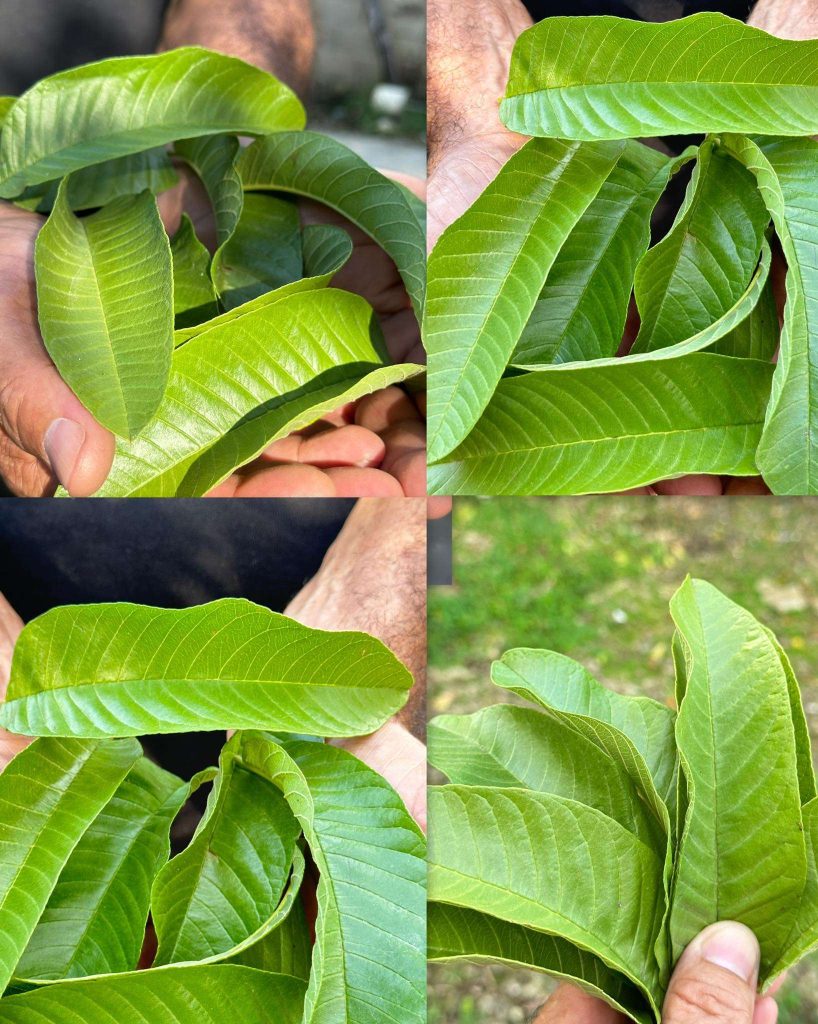
Guava leaves are far from ordinary foliage. They are dense with bioactive compounds that contribute to their therapeutic effects. The key players include flavonoids like quercetin, known for their potent anti-inflammatory and antioxidant properties. They are also rich in triterpenoids, tannins (guavinosides), and essential oils. Furthermore, the leaves possess significant amounts of vitamins, particularly B vitamins, and minerals such as potassium and magnesium. This unique composition is what makes guava leaf extract, tea, and topical applications so effective for a wide range of health concerns. It's a prime example of food as medicine.
🩺 Evidence-Based Health Benefits: More Than Just Folk Medicine
The applications of guava leaves are impressively broad, supported by a growing body of research. Let's explore the most significant benefits.
Digestive Health Champion: Guava leaf tea is a renowned remedy for gastrointestinal distress. Its antibacterial properties can help combat pathogens like Salmonella and E. coli, while its anti-inflammatory effects soothe the stomach lining. For those suffering from diarrhea or dysentery, a strong brew of guava leaf tea can provide rapid relief by inhibiting certain microbial growth and reducing intestinal spasms. 🫖
Blood Sugar Regulation: This is one of the most studied and promising areas. Compounds in guava leaves inhibit the enzymes alpha-glucosidase and alpha-amylase, which are responsible for breaking down carbohydrates into glucose in the gut. This action leads to a slower and more controlled absorption of sugar, helping to prevent post-meal blood sugar spikes. Several clinical studies suggest it can be a valuable complementary tool for managing type 2 diabetes. 📉
Heart Health Support: By helping to regulate blood sugar and blood pressure, guava leaves indirectly support cardiovascular function. The high antioxidant content helps protect LDL cholesterol from oxidation—a key step in the formation of arterial plaque. The potassium content also aids in maintaining healthy blood pressure levels by counteracting the effects of sodium and easing tension in blood vessel walls. ❤️
Skin and Hair Vitality: Applied topically, guava leaf extract works wonders. Its antimicrobial and anti-inflammatory qualities make it excellent for treating acne, dark spots, and skin irritation. You can use a cooled tea as a facial toner or create a paste for spot treatment. For hair, rinsing with guava leaf tea is said to strengthen hair follicles, combat dandruff, and promote healthy growth, thanks to its nutrient density and scalp-cleansing properties. ✨
Weight Management Aid: By preventing the complex carbohydrates in your food from converting into sugars, guava leaves can support weight management efforts. This mechanism, combined with the tea's diuretic effect (helping to reduce water retention), makes it a popular choice in many wellness protocols. Remember, it's most effective when combined with a balanced diet and regular exercise. ⚖️
🛠️ Practical Guide: How to Use Guava Leaves Safely
Knowing the benefits is one thing; applying them is another. Here’s a simple, safe guide to harnessing the power of guava leaves.
1. Making Guava Leaf Tea (Infusion): This is the most common method. Use 2-3 fresh, clean leaves or one tablespoon of dried leaves per cup of boiling water. Steep for 5-10 minutes, depending on desired strength. Strain and enjoy. You can drink 1-3 cups daily. For a stronger medicinal brew (e.g., for acute diarrhea), use more leaves and simmer for 10-15 minutes. 🍵
2. Topical Applications: For skin, prepare a strong tea, let it cool, and apply with a cotton pad as a toner. For a hair rinse, boil a handful of leaves in a liter of water for 20 minutes, cool, and use after shampooing. For wound or acne care, crush fresh, clean leaves into a paste and apply directly to the affected area for 10-15 minutes before rinsing.
Crucial Safety Note: While generally safe, consult your healthcare provider before regular use if you are pregnant, breastfeeding, on medication (especially for diabetes or blood pressure), or scheduled for surgery. The hypoglycemic and hypotensive effects could interact with medications. Always start with a small amount to see how your body reacts.
🔬 Conclusion: A Leaf Worth Exploring
From stabilizing blood sugar to enhancing skin radiance, the benefits of guava leaves are both profound and practical. This natural remedy bridges the gap between traditional wisdom and modern scientific validation, offering a cost-effective, accessible, and multi-purpose addition to your health cabinet. Whether you sip it as a soothing tea or apply it as a healing tonic, the guava leaf stands as a testament to nature's pharmacy. We encourage you to explore its potential mindfully, respecting its potency and consulting a professional when in doubt. Embrace this gift from nature and discover how a simple leaf can contribute significantly to a holistic approach to well-being. 🌿💚
Deja una respuesta