Benefits of Guava Leaves
 Espanol
Espanol
Unlocking the Power of the Humble Guava Leaf: An Introduction
When we think of guava, our minds often go straight to its delicious, vitamin C-rich fruit. 🍈 However, hidden in plain sight on its branches lies a powerhouse of wellness: the guava leaf. 🌿 For centuries, these unassuming leaves have been a cornerstone in traditional medicine systems across the tropics, and modern science is now catching up to validate their incredible health benefits. This article delves deep into the practical, evidence-backed advantages of incorporating guava leaves into your wellness routine, moving beyond superficial claims to offer you a clear, actionable guide. Let's explore why this natural remedy deserves a spot in your health cabinet.
Nutritional Profile: What's Inside a Guava Leaf?
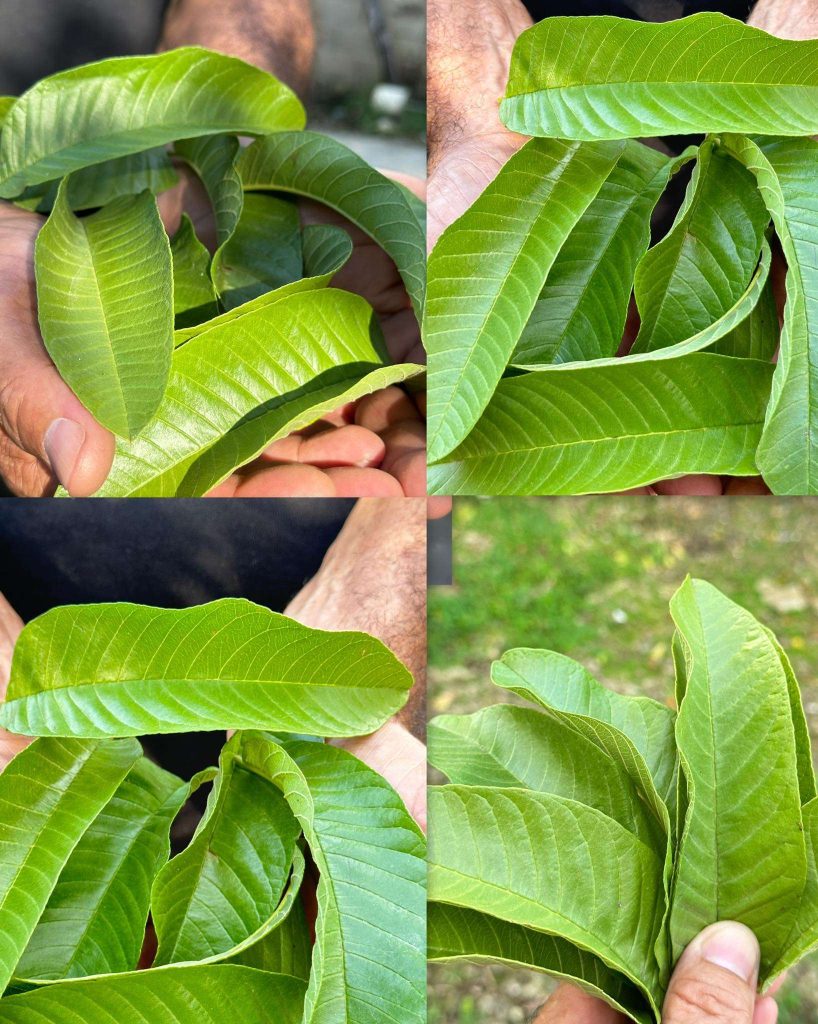
Guava leaves are packed with a dense concentration of bioactive compounds that drive their therapeutic effects. They are a rich source of powerful antioxidants like quercetin and flavonoids, which combat oxidative stress and inflammation in the body. Furthermore, they contain essential anti-inflammatory agents, antibacterial compounds, and tannins. Importantly, the leaves harbor beneficial compounds not found in high concentration in the fruit itself, such as avicularin and mercaptin, making them uniquely valuable. This potent phytochemical cocktail is responsible for the wide-ranging benefits we will explore next.
Key Health Benefits and Practical Applications
The applications of guava leaves are remarkably diverse, addressing issues from blood sugar management to skin health. Here are some of the most significant, well-documented benefits:
1. Aiding in Blood Sugar Management 🩸
Studies suggest that compounds in guava leaf extract can help improve insulin sensitivity and lower blood sugar levels. The leaves inhibit certain enzymes that convert carbohydrates into glucose in the digestive tract, leading to a more gradual release of sugar into the bloodstream. A practical tip: Drinking a cup of guava leaf tea after meals may help moderate blood sugar spikes.
2. Promoting Digestive Wellness 🤢
The leaves have strong anti-diarrheal and antimicrobial properties. The tannins can help reduce symptoms of gastroenteritis (stomach flu) by inhibiting bacterial growth and reducing intestinal inflammation. For a troubled stomach, a warm tea made from boiled leaves can be a soothing, natural remedy.
3. Boosting Heart Health ❤️
By helping to lower "bad" LDL cholesterol and triglycerides, guava leaf tea can contribute to a healthier cardiovascular system. The antioxidants also help protect the heart from oxidative damage. Consistency is key here; incorporating the tea as part of a balanced diet can offer supportive benefits over time.
4. Enhancing Skin and Hair Health ✨
Applied topically, guava leaf decoctions can work wonders. Their antimicrobial and anti-inflammatory qualities make them excellent for treating acne, wounds, and skin irritations. For hair, rinsing with guava leaf water is believed to strengthen hair follicles, combat dandruff, and prevent hair loss. Simply boil a handful of leaves, let the water cool, and use it as a final rinse after shampooing.
5. Supporting Weight Loss Goals ⚖️
Guava leaf tea is a caffeine-free, low-calorie beverage that can help prevent complex starches from converting into sugars. This, coupled with its potential metabolic benefits, can make it a helpful companion in a holistic weight management plan. Remember, it's a support tool, not a magic solution, and works best alongside a healthy diet and exercise.
How to Use Guava Leaves: Simple Preparation Methods
To harness these benefits, here are the most common and effective ways to use guava leaves:
- Tea/Infusion: The most popular method. Steep 5-10 fresh or dried leaves in hot water for 5-10 minutes. Strain and enjoy. You can add honey or lemon for taste. ☕
- Topical Paste: Crush fresh leaves into a paste and apply directly to affected skin areas or wounds for its healing effects.
- Rinse or Toner: As mentioned, the boiled and cooled water can be used for skin or hair rinses.
- Extract Supplement: For concentrated doses, standardized extracts are available in capsule or tincture form. Always consult a healthcare professional before starting any new supplement regimen.
Important Considerations and Safety
While generally safe for most people, it's crucial to exercise caution. Guava leaf may interact with diabetes medications, potentially causing blood sugar to drop too low (hypoglycemia). Pregnant and breastfeeding women should avoid therapeutic doses due to a lack of sufficient safety data. As with any natural remedy, starting with small amounts to assess tolerance is a wise practice. Prioritize sourcing organic, clean leaves to avoid pesticide contamination.
Conclusion: Embracing a Natural Ally for Holistic Health
In summary, guava leaves are far more than just tree foliage; they are a versatile, natural remedy with a robust profile of health-promoting properties. 🍃 From regulating blood sugar and aiding digestion to nurturing your skin and heart, the evidence supporting their use is compelling. We've moved beyond the fruit to discover that sometimes, the leaf holds the greater secret. By incorporating guava leaf tea into your daily routine or using it as a targeted treatment, you are tapping into an ancient, yet scientifically relevant, source of wellness. We encourage you to explore this natural gift—start with a simple cup of tea and experience the benefits for yourself. Here's to discovering nature's hidden treasures for a healthier you! 🌟
Deja una respuesta