Benefits of Guava Leaves
 Espanol
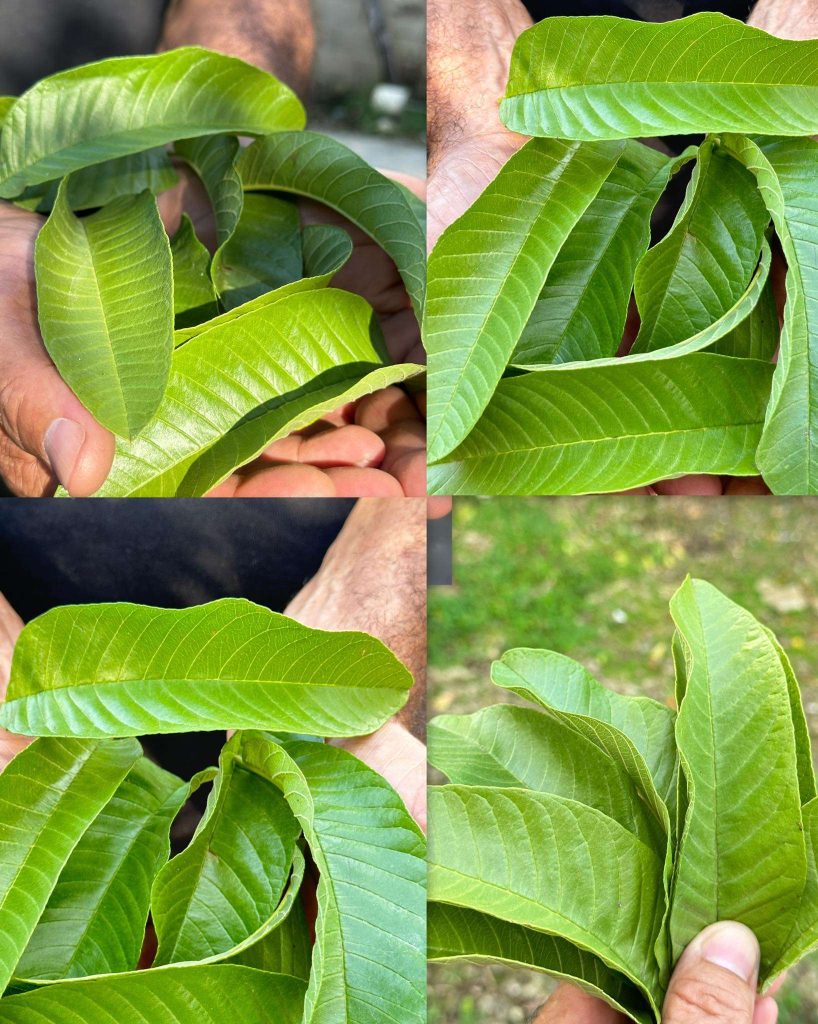
Welcome to a deep dive into the often-overlooked powerhouse of natural wellness: the guava leaf. 🌿 While the sweet, tangy fruit rightfully enjoys its fame, the leaves of the *Psidium guajava* tree hold a treasure trove of health benefits backed by both traditional wisdom and growing scientific inquiry. This article will explore the multifaceted advantages of incorporating guava leaves into your health regimen, offering practical tips and clear insights into how this humble leaf can contribute to your well-being. Let's uncover the secrets hidden in these vibrant green leaves.
Espanol
An Introduction to a Potent Botanical
For centuries, guava leaves have been a staple in traditional medicinal practices across tropical and subtropical regions, from South America to Asia. 🗺️ Modern research is now beginning to validate what these cultures have long known: that the leaves are rich in powerful antioxidants like quercetin and flavonoids, as well as anti-inflammatory and antimicrobial compounds. Unlike the fruit, the leaves have a subtle, herbal flavor and are most commonly consumed as a tea or used in topical extracts, making them a versatile and accessible natural remedy.
Digestive Health and Gut Support 🤒
One of the most celebrated benefits of guava leaves is their positive impact on the digestive system. The leaves contain compounds that have been shown to inhibit the growth of harmful bacteria like *Staphylococcus aureus* and *E. coli*, which are often responsible for food poisoning and gastrointestinal discomfort. Drinking guava leaf tea can help alleviate symptoms of diarrhea, soothe stomach aches, and reduce intestinal inflammation. For a quick digestive aid, try steeping 5-6 fresh or dried leaves in hot water for 5-10 minutes and sipping it slowly after a meal. This simple practice can promote a healthier gut environment and improve overall digestion.
Blood Sugar Regulation 🩸
Emerging studies suggest that guava leaf extract may play a beneficial role in managing blood sugar levels. The compounds in the leaves appear to inhibit certain enzymes that convert carbohydrates into glucose in the bloodstream, potentially preventing blood sugar spikes after meals. While it is crucial to consult with a healthcare professional before making any changes to diabetes management plans, incorporating unsweetened guava leaf tea as a complementary beverage could be a supportive dietary habit. Its potential anti-diabetic properties make it a subject of great interest in nutritional science.
Heart Health and Cholesterol Management ❤️
Supporting cardiovascular health is another area where guava leaves shine. The antioxidants in the leaves help protect the heart from oxidative stress, while some evidence indicates they may help lower "bad" LDL cholesterol and triglycerides. This dual action supports healthier blood vessels and improves overall circulation. Combining a balanced diet, regular exercise, and a daily cup of guava leaf tea can form a solid foundation for heart wellness. Remember, natural remedies work best as part of a holistic approach to health.
Skin and Hair Vitality ✨
The benefits of guava leaves aren't limited to internal health; they extend to your skin and hair. Thanks to their antiseptic and anti-inflammatory properties, a cooled guava leaf tea rinse or a paste made from crushed leaves can combat acne, reduce skin redness, and accelerate wound healing. For hair care, the leaves are rich in nutrients that may strengthen hair follicles, potentially reducing hair loss and promoting a healthier scalp. For a refreshing skin toner, simply apply cooled guava leaf tea to your face with a cotton pad after cleansing. It's a natural, chemical-free way to enhance your beauty routine.
Immunity Boost and Anti-Cancer Potential 🛡️
The high concentration of vitamin C and potent antioxidants like quercetin in guava leaves provides a significant boost to the immune system, helping your body fend off common infections. Furthermore, preliminary laboratory studies have shown that guava leaf extract can inhibit the growth of various cancer cells. While much more research is needed, the antioxidant and anti-proliferative properties of the leaves are promising areas for future scientific exploration in the field of oncology and preventive health.
How to Use Guava Leaves: Practical Tips 🍵
Integrating guava leaves into your lifestyle is straightforward. The most common method is to prepare a tea:
- Rinse 5-10 fresh, organic guava leaves (or use 1 tablespoon of dried leaves).
- Bring water to a boil, add the leaves, and simmer for 10-15 minutes to extract the beneficial compounds.
- Strain the leaves and enjoy the tea hot or cold. You can add a hint of raw honey or lemon for flavor, but avoid sugar to maximize health benefits.
You can also find guava leaf extract in supplement form, but always choose reputable brands and follow dosage instructions. For topical use, create a decoction by boiling a handful of leaves, letting it cool, and using it as a wash or compress.
Conclusion and Final Thoughts
From aiding digestion and regulating blood sugar to enhancing skin radiance and supporting heart health, guava leaves are a remarkably versatile and potent natural remedy. 🌟 This exploration reveals that true wellness often involves rediscovering the simple, powerful gifts of nature. While guava leaves offer impressive benefits, they are most effective when used as part of a balanced lifestyle that includes a nutritious diet and regular physical activity. We encourage you to explore the potential of guava leaves—perhaps starting with a warm, soothing cup of tea—and experience their benefits firsthand. Your journey to enhanced well-being might just be a leaf away.
Deja una respuesta