Benefits of Guava Leaves
 Espanol
Espanol
Unlocking Nature's Pharmacy: The Remarkable Benefits of Guava Leaves 🍃
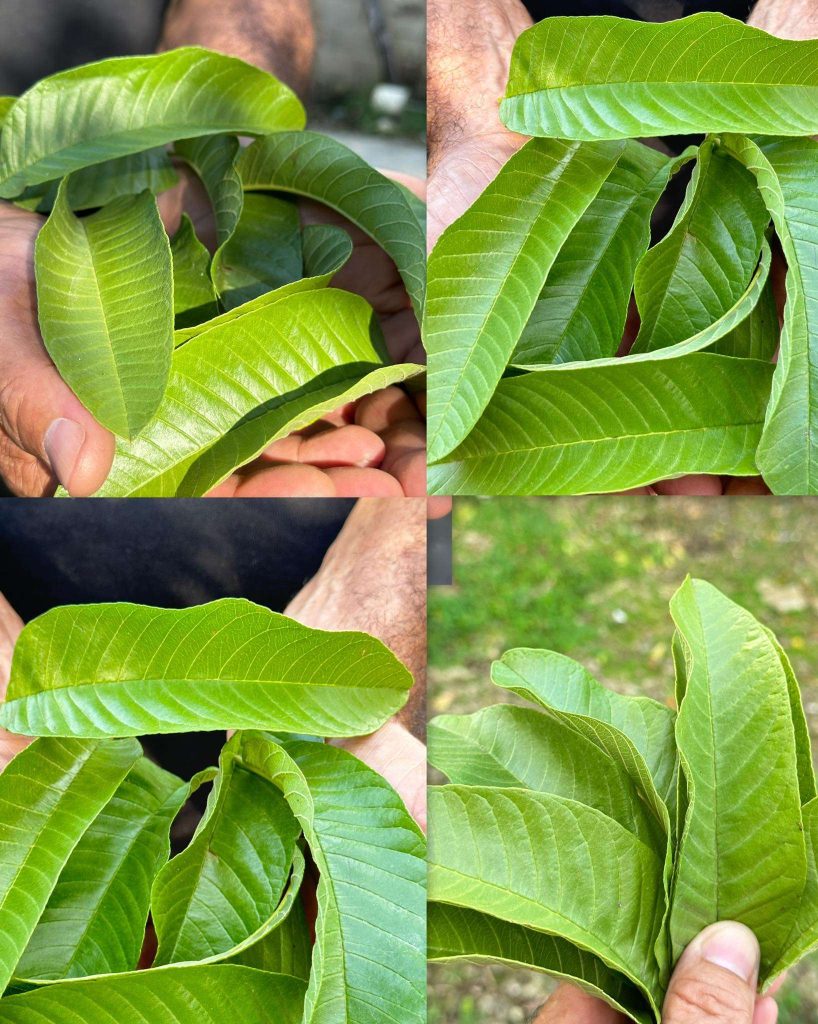
Often overshadowed by its delicious fruit, the humble guava leaf is a powerhouse of wellness hiding in plain sight. For centuries, traditional medicine systems have harnessed its potent properties, and modern science is now catching up, validating its incredible health benefits. This article will serve as your comprehensive guide, exploring the science-backed advantages of guava leaves and providing you with practical ways to integrate this natural remedy into your daily routine for enhanced well-being. Let's dive into the green treasure trove of Psidium guajava.
Nutritional Powerhouse: What's Inside the Leaf? 🔬
Guava leaves are packed with a symphony of bioactive compounds that work in synergy. They are exceptionally rich in antioxidants like quercetin and flavonoids, which combat oxidative stress—a key driver of aging and chronic disease. Furthermore, they contain potent anti-inflammatory agents and essential vitamins, notably Vitamin C and Vitamin B complex (Niacin). This unique composition is the foundation for their wide-ranging therapeutic effects, making them more than just simple foliage.
A Deep Dive into the Key Health Benefits
The applications of guava leaves are impressively diverse, addressing everything from metabolic health to skincare.
🌟 Blood Sugar Regulation: One of the most celebrated benefits is their positive impact on blood glucose levels. Compounds in the leaves inhibit the absorption of certain types of sugars in the intestine, helping to prevent spikes after meals. For those managing type 2 diabetes or pre-diabetes, incorporating guava leaf tea can be a supportive, natural strategy. Always consult with your doctor alongside any conventional treatment.
🌟 Digestive Health Champion: Guava leaves possess strong antimicrobial and anti-inflammatory properties that can soothe the gastrointestinal tract. They are particularly effective against common culprits of diarrhea and food poisoning, like Staphylococcus aureus. A cup of warm guava leaf tea can calm stomach aches and promote a healthier gut environment. 🫖
🌟 Heart Health & Cholesterol Support: The antioxidants in the leaves help protect the heart by preventing the oxidation of LDL ("bad") cholesterol, a primary step in the formation of arterial plaque. Regular consumption may also contribute to a slight reduction in blood pressure and triglycerides, supporting overall cardiovascular function.
🌟 Skin & Hair Elixir: Applied topically or consumed, guava leaves fight acne due to their antibacterial traits. A cooled leaf decoction can be used as a facial toner to reduce inflammation and redness. For hair, boiling the leaves into a rinse can combat dandruff, strengthen follicles, and potentially slow down hair loss, thanks to its nutrient and antioxidant content. ✨
🌟 Oral Care Ally: Chewing on tender guava leaves or using a mouthwash made from their infusion can relieve toothache, heal mouth ulcers, and combat gum disease (gingivitis) because of their anti-inflammatory and analgesic qualities.
Practical Guide: How to Use Guava Leaves at Home 🏠
Harnessing these benefits is simple and cost-effective. Here are the most common methods:
- Guava Leaf Tea (Infusion): This is the easiest method. Rinse 5-10 fresh, clean leaves (or use 1 tablespoon of dried leaves). Gently crush them to release the compounds, add to a cup of boiling water, cover, and steep for 5-10 minutes. Strain and enjoy. You can add honey or lemon for taste. For optimal results, consistency is key—consider drinking 1-2 cups daily.
- Topical Application: For skin or hair, prepare a stronger decoction by boiling a large handful of leaves in 1 liter of water for 15-20 minutes. Let it cool completely. Use it as a facial rinse, a soak for troubled skin areas, or as a final hair rinse after shampooing.
- Leaf Extract Powder: Available in health stores, this concentrated form can be added to smoothies, juices, or water. Follow the dosage instructions on the product label.
Important Considerations and Precautions ⚠️
While generally safe for most people, it's crucial to practice mindfulness. Pregnant and breastfeeding women should avoid therapeutic use due to a lack of extensive safety data. As guava leaves can affect blood sugar, individuals on diabetes medication must monitor their levels closely to avoid hypoglycemia and should only use it under medical supervision. Start with small amounts to see how your body reacts, and always source leaves from organic, pesticide-free trees if possible.
Conclusion: Embracing a Leaf of Life
From stabilizing blood sugar to nurturing your skin, the benefits of guava leaves are a testament to nature's profound intelligence. 🍃 This versatile, accessible leaf offers a complementary path to wellness, grounded in both tradition and emerging science. By integrating guava leaf tea into your daily ritual or using it as a targeted topical treatment, you are tapping into an ancient, natural pharmacy. We encourage you to explore its potential mindfully, respecting its potency and pairing it with a balanced lifestyle. Your journey to holistic health might just begin with a simple leaf from the guava tree.
Deja una respuesta