Benefits of Guava Leaves
 Espanol
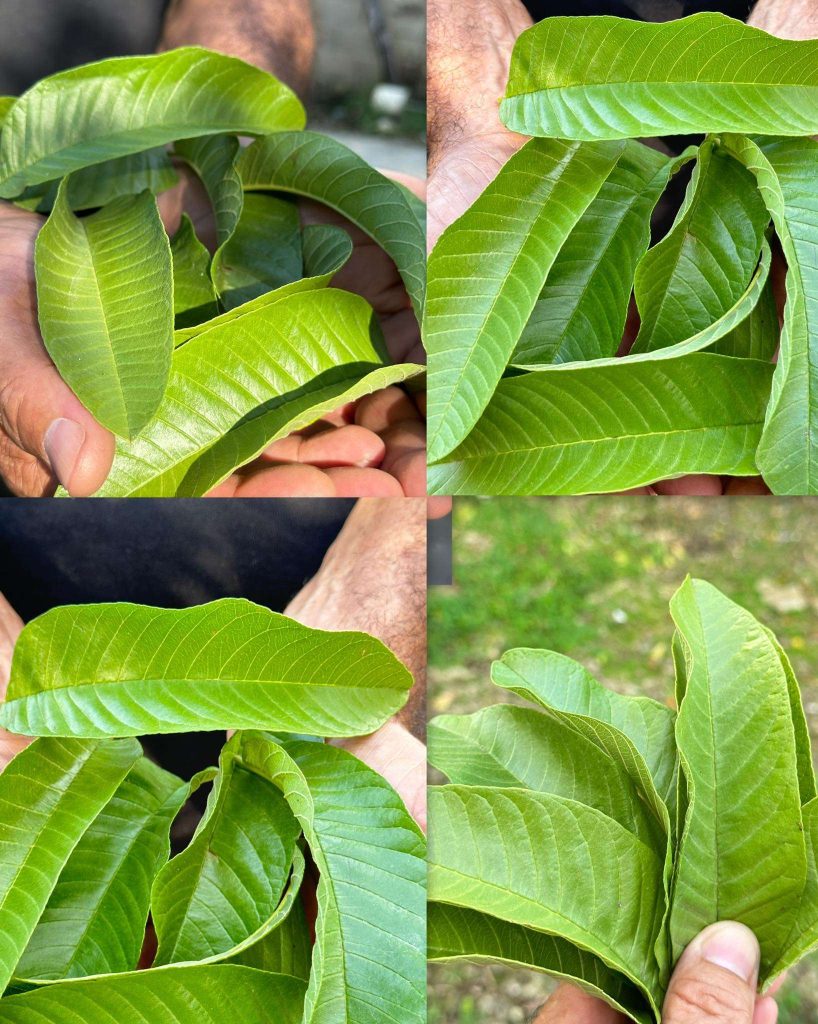
Have you ever walked past a guava tree and admired its delicious fruit, unknowingly overlooking one of its most powerful treasures? 🌿 While the sweet, tangy guava fruit rightfully enjoys its fame, the humble leaves of the *Psidium guajava* tree are a powerhouse of wellness, steeped in centuries of traditional medicine. From aiding digestion to stabilizing blood sugar, guava leaves offer a remarkable, natural approach to health that is both accessible and effective. This article will delve into the science-backed benefits of these verdant leaves, providing you with practical ways to harness their potential for a healthier life.
Espanol
The Humble Powerhouse: Nutritional Profile of Guava Leaves
Guava leaves are not just simple foliage; they are a concentrated source of bioactive compounds. They are rich in potent antioxidants like quercetin and flavonoids, which combat oxidative stress and inflammation in the body. Furthermore, they contain essential vitamins, notably vitamin C and niacin (B3), and minerals such as zinc and potassium. Perhaps most importantly, they boast significant levels of tannins, saponins, and other phytochemicals responsible for their therapeutic effects, including their notable antibacterial and anti-inflammatory properties. 🍃 This unique composition transforms the simple leaf into a formidable ally for your well-being.
Soothing the Gut: Digestive and Anti-Diarrheal Benefits
One of the most celebrated traditional uses of guava leaves is for gastrointestinal relief. The leaves possess strong anti-microbial and anti-spasmodic properties that can help calm an upset stomach and inhibit the growth of harmful bacteria like *Salmonella* and *E. coli*. For issues like acute diarrhea, gastroenteritis, or general stomach discomfort, guava leaf tea is a go-to remedy. The key is in the tannins, which have an astringent effect, helping to reduce intestinal inflammation and mucus secretion. A warm cup of guava leaf tea after meals can promote smoother digestion and comfort. 💧 Practical Tip: Steep 5-6 washed leaves in a cup of boiling water for 10 minutes, strain, and drink.
A Friend to Your Blood Sugar Levels
Emerging research points to guava leaf tea as a beneficial drink for individuals managing their blood sugar. Compounds in the leaves are believed to inhibit the absorption of certain types of sugars in the blood, such as sucrose and maltose. Several studies suggest that drinking guava leaf tea can help lower blood glucose levels after meals and improve long-term blood sugar control. While it is not a replacement for prescribed medication, it can be a valuable supportive dietary habit. Always consult with your healthcare provider before using it as part of a diabetes management plan. 📈
Boosting Heart Health and Circulation
Your cardiovascular system can also benefit from guava leaves. The antioxidants help protect the heart from oxidative damage, while other compounds may aid in lowering "bad" LDL cholesterol and triglycerides. Additionally, the leaves have a mild hypotensive effect, potentially helping to manage high blood pressure. The potassium content supports healthy blood pressure levels by counteracting the effects of sodium and easing tension in the blood vessel walls. Incorporating guava leaf tea into a heart-healthy lifestyle can be a simple, supportive step. ❤️
Enhancing Skin Health and Combating Acne
Turn your attention to topical applications! The antibacterial and anti-inflammatory qualities of guava leaves make them excellent for skin care, particularly for acne-prone skin. They can help reduce redness, swelling, and the proliferation of acne-causing bacteria. A simple face wash or toner made from cooled guava leaf tea can cleanse and soothe the skin. Furthermore, the antioxidants fight free radicals that contribute to premature aging, helping to maintain skin's elasticity and youthful appearance. It’s nature’s own clarifying treatment! ✨
Supporting Weight Management Efforts
For those on a weight management journey, guava leaf tea can be a helpful companion. It contains complex carbohydrates that inhibit the conversion of starch into sugar, which can help curb cravings and prevent spikes in blood sugar that lead to fat storage. Moreover, by improving digestion and metabolism, it supports the body's natural fat-burning processes. Drinking a cup instead of a sugary beverage is a smart, calorie-free swap that contributes to your overall goals. ⚖️
How to Use Guava Leaves: Practical Methods
Harnessing these benefits is straightforward. The most common method is to prepare a simple herbal tea or decoction. You can use fresh, organic leaves (thoroughly washed) or dried leaves. For a more potent extract, boil the leaves for 15-20 minutes. The tea can be consumed warm or cold. For skin applications, allow the tea to cool completely before using it as a rinse, or crush fresh leaves into a paste for a targeted spot treatment. Always ensure your leaves are sourced from trees not treated with pesticides.
Conclusion: Embracing Nature's Green Pharmacy
From the depths of its rich phytochemical profile to its wide array of practical applications, the guava leaf stands out as a testament to nature's ingenuity. 🌳 We've explored how it can soothe your digestive system, support metabolic and heart health, enhance your skin, and aid in weight management. While it is a powerful natural remedy, it is crucial to remember that it complements a healthy lifestyle and should not replace professional medical advice for serious conditions. Why not start by integrating a cup of guava leaf tea into your weekly routine? Experience firsthand the gentle, nurturing power of this often-overlooked leaf and take a proactive, natural step toward holistic well-being.
Deja una respuesta