Benefits of Guava Leaves
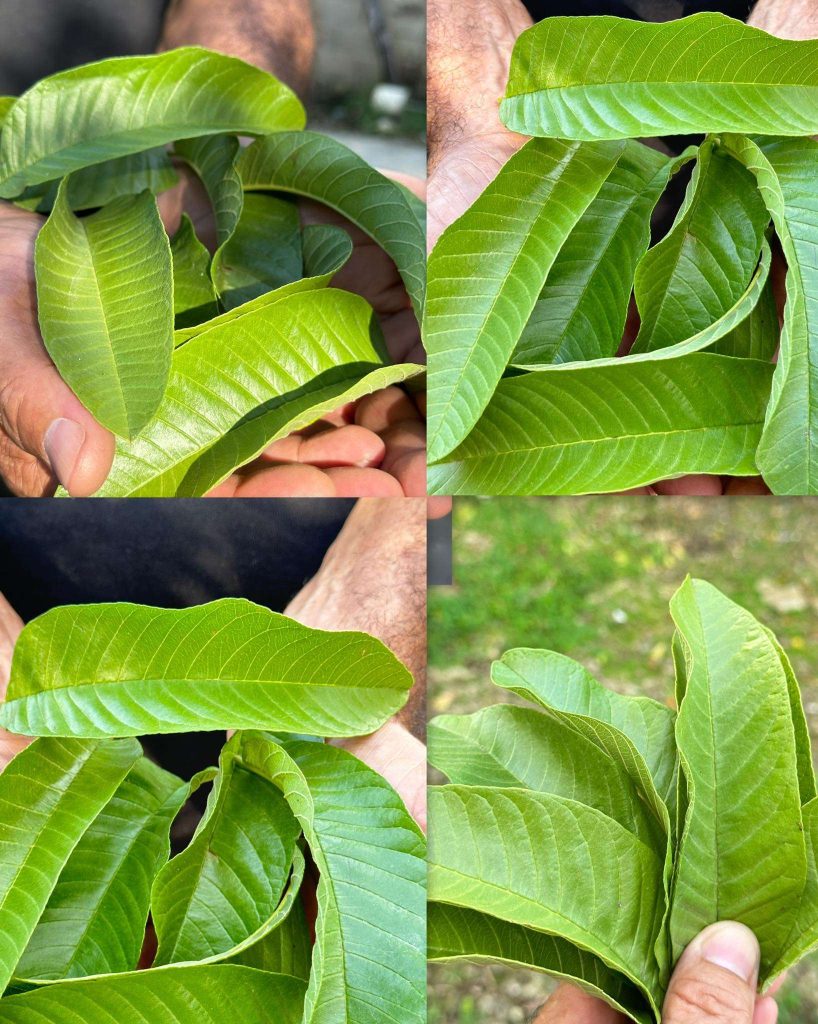
Unlocking Nature's Pharmacy: The Remarkable Benefits of Guava Leaves 🌿
 Espanol
Often overshadowed by its delicious and vitamin C-rich fruit, the humble guava tree (Psidium guajava) holds another treasure in plain sight: its leaves. 🌳 For centuries, these unassuming leaves have been a cornerstone in traditional medicine systems across tropical and subtropical regions. Modern science is now catching up, validating many of these ancient uses and uncovering even more potential. This article delves deep into the impressive health and wellness benefits of guava leaves, moving beyond superficial claims to provide you with a comprehensive, practical guide. Let's explore how this readily available natural resource can contribute to your well-being.
Espanol
A Powerhouse of Bioactive Compounds 🧪
The efficacy of guava leaves stems from their dense concentration of beneficial plant compounds. They are rich in potent antioxidants like quercetin, flavonoids, and carotenoids, which combat oxidative stress and cellular damage. Furthermore, they contain anti-inflammatory compounds, essential oils, and vitamins (notably B-vitamins like niacin and vitamin C). It's this synergistic blend of nutrients that gives guava leaves their broad-spectrum therapeutic potential, making them more than just a simple herbal remedy.
Top Health Benefits Explored 🔍
The applications of guava leaves are diverse, addressing issues from metabolic health to skincare. Here are some of the most substantiated benefits:
- Blood Sugar Management 🩸: Several studies suggest that compounds in guava leaves can help improve insulin sensitivity and lower blood sugar levels. They inhibit certain enzymes that convert carbohydrates into glucose in the digestive tract, leading to a more gradual sugar absorption.
- Heart Health Ally ❤️: The leaves may support cardiovascular wellness by helping to lower "bad" LDL cholesterol and triglycerides, while potentially raising "good" HDL cholesterol. Their antihypertensive and anti-inflammatory properties also contribute to reducing strain on the heart and arteries.
- Digestive Soother 🤢: Guava leaf tea is a renowned remedy for upset stomachs. Its antimicrobial properties can help combat bacterial infections like E. coli and Salmonella, reducing food poisoning symptoms. It also has mild antispasmodic effects, which can alleviate abdominal cramps and bloating.
- Weight Management Support ⚖️: By preventing the rapid breakdown of complex carbohydrates into sugars, guava leaves can help curb cravings and promote a feeling of fullness. This, combined with its minimal calorie content, makes guava leaf tea a smart addition to a balanced diet plan.
- Skin and Hair Enhancer ✨: The antimicrobial and anti-inflammatory qualities make guava leaf extract excellent for treating acne and skin irritation. Applied topically, it can accelerate wound healing. For hair, it's believed to strengthen follicles and combat dandruff, promoting healthier growth when used as a rinse.
- Oral Health Guardian 🦷: Due to their strong anti-inflammatory and antibacterial prowess, guava leaves are fantastic for oral care. Chewing on tender leaves or using a mouthwash made from their decoction can relieve toothache, soothe inflamed gums, and fight bad breath caused by oral bacteria.
How to Use Guava Leaves: Practical Tips 🍵
To harness these benefits, knowing how to prepare and use guava leaves is key. The most common and effective method is as a herbal tea or decoction.
To make guava leaf tea: Thoroughly wash 5-10 fresh, organic leaves (or use 1 tablespoon of dried leaves). Gently crush them to release their essence. Boil them in about 2 cups of water for 10-15 minutes. Strain and enjoy the earthy, slightly bitter tea. You can add a touch of honey, ginger, or lemon for flavor. Start with one cup per day to assess your body's response.
For topical use on skin or hair, you can create a more concentrated decoction by boiling a larger handful of leaves in less water for 20 minutes. Let it cool completely before applying with a clean cloth or cotton pad, or as a final hair rinse.
Important Precautions and Considerations ⚠️
While guava leaves are generally safe for most people, consulting with a healthcare professional before starting any new herbal regimen is crucial, especially if you have pre-existing conditions or are on medication. Pregnant and breastfeeding women should exercise caution. Due to their blood sugar-lowering effects, individuals with diabetes must monitor their levels closely to avoid hypoglycemia when combining leaf tea with medication. As with any natural product, moderation is essential; excessive consumption may lead to digestive discomfort in some individuals.
Conclusion: Embracing a Leaf of Good Health 🌟
From aiding metabolic control to enhancing skin radiance, guava leaves offer a compelling, natural approach to supporting holistic health. Their strength lies in the powerful, science-backed phytochemicals they contain. By incorporating guava leaf tea into your routine or using it topically, you tap into an ancient, yet remarkably relevant, wellness tradition. Remember, it is not a magic cure but a valuable complementary tool that works best alongside a healthy lifestyle. So, the next time you see a guava tree, look beyond the fruit and consider the potent, green wealth it holds in its leaves.
Deja una respuesta