Benefits of Guava Leaves
 Espanol
Espanol
🌿 Introduction: More Than Just a Fruit Tree
When we think of the guava tree, our minds typically jump to its sweet, fragrant fruit, celebrated in juices and desserts worldwide. However, lurking in the shadows of this delicious bounty are its often-overlooked leaves, packed with a potent blend of nutrients and bioactive compounds. For centuries, these leaves have been a cornerstone in traditional medicine systems across Asia, South America, and Africa. This article delves deep into the science and practical applications behind the incredible benefits of guava leaves, transforming them from simple foliage into a powerful, accessible tool for enhancing your health and wellness routine. Let's explore this natural treasure.
💊 A Powerhouse of Nutrients and Bioactive Compounds
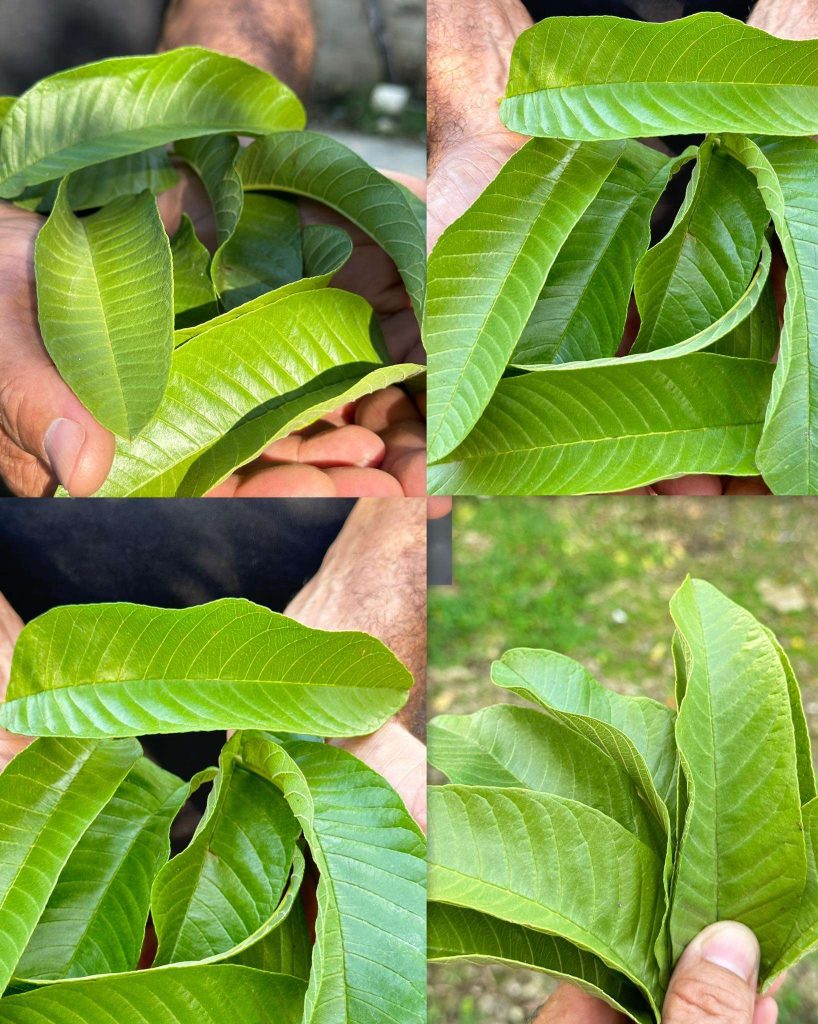
Guava leaves (Psidium guajava) are rich in antioxidants like quercetin, flavonoids, and carotenoids, which combat oxidative stress and inflammation in the body. They are also an excellent source of vital vitamins, particularly vitamin C and B vitamins (like B2 and B3), and contain important minerals such as potassium, magnesium, and zinc. Furthermore, they possess potent antibacterial, anti-inflammatory, and anti-diabetic properties, primarily attributed to compounds like quercetin and avicularin. This unique phytochemical profile is the foundation for their wide-ranging health benefits.
🩺 Key Health Benefits Explored
The applications of guava leaves are surprisingly vast, supporting health from your digestive system to your skin.
Supports Digestive Health & Soothes Discomfort: Guava leaf tea is renowned for its ability to alleviate stomach upsets, including diarrhea and food poisoning, thanks to its antimicrobial properties that target harmful gut bacteria like Staphylococcus aureus. The leaves' anti-spasmodic effects can also help calm stomach cramps and bloating, promoting overall digestive tranquility. 🌱
Promotes Healthy Blood Sugar Levels: Several studies indicate that compounds in guava leaves can inhibit the absorption of certain types of sugars in the blood, such as maltose and sucrose. Drinking guava leaf tea may help prevent blood sugar spikes after meals, making it a valuable supportive dietary addition for managing type 2 diabetes, though it should not replace prescribed medication. Always consult with a healthcare provider.
Boosts Heart Health: The leaves may contribute to a healthier cardiovascular system by helping to lower "bad" LDL cholesterol and triglycerides while supporting "good" HDL cholesterol. Their high potassium content also aids in regulating blood pressure, offering a multi-faceted approach to heart care. ❤️
Enhances Skin & Hair Vitality: Applied topically, a decoction of guava leaves can work wonders for your skin and scalp. Its anti-inflammatory and antimicrobial properties make it effective against acne, blackheads, and skin irritation. For hair, it can strengthen roots, combat dandruff, and is even traditionally used to slow premature graying.
Aids in Weight Management: Guava leaves can prevent complex carbohydrates from being converted into sugars, which the body uses for energy or stores as fat. This mechanism, combined with the tea's zero-caffeine and low-calorie nature, makes it a sensible companion for a balanced weight management plan.
🧪 How to Use Guava Leaves: Practical Preparations
To harness these benefits, knowing how to prepare guava leaves correctly is key. Here are the most common and effective methods:
- Guava Leaf Tea (Infusion): This is the simplest method. Rinse 5-10 fresh, clean leaves (or 1 tablespoon of dried leaves). Gently crush them to release their compounds. Boil them in about 1 liter of water for 10-15 minutes. Strain and enjoy warm or cold. You can add a touch of honey or lemon for flavor. 🫖
- Topical Application for Skin & Hair: Create a concentrated rinse by boiling a handful of leaves in water for 20 minutes. Let it cool, then strain. Use it as a final hair rinse after shampooing or apply it to the skin with a clean cotton pad as a toner. For acne, you can crush fresh leaves into a paste and apply it as a spot treatment.
- Supplement Form: Guava leaf extract is available in capsules or tinctures. If choosing this route, select products from reputable brands that specify standardization and follow the recommended dosage on the label.
⚠️ Important Considerations and Safety
While generally safe for most people, it's crucial to practice moderation. Start with small amounts to see how your body reacts. Pregnant and breastfeeding women should consult a doctor before use. Due to its potential blood sugar-lowering effects, individuals with diabetes or those scheduled for surgery should use it cautiously and under medical supervision to avoid interactions with medications. As with any herbal remedy, the mantra is "listen to your body and seek professional advice when in doubt."
✅ Conclusion: Embracing a Leaf of Life
The humble guava leaf stands as a testament to nature's profound wisdom, offering a multitude of therapeutic benefits that extend far beyond the fruit we commonly enjoy. From nurturing digestive wellness and supporting metabolic health to enhancing your natural beauty, this accessible leaf is a versatile ally. By incorporating guava leaf tea into your daily routine or using it in topical applications, you are tapping into an ancient, natural pharmacy. Remember, the journey to well-being is holistic—combine such powerful natural supports with a balanced diet, regular exercise, and proper medical care. Why not brew your first cup today and experience the gentle, nurturing power of guava leaves for yourself? 🌿✨
Deja una respuesta