Benefits of Guava Leaves
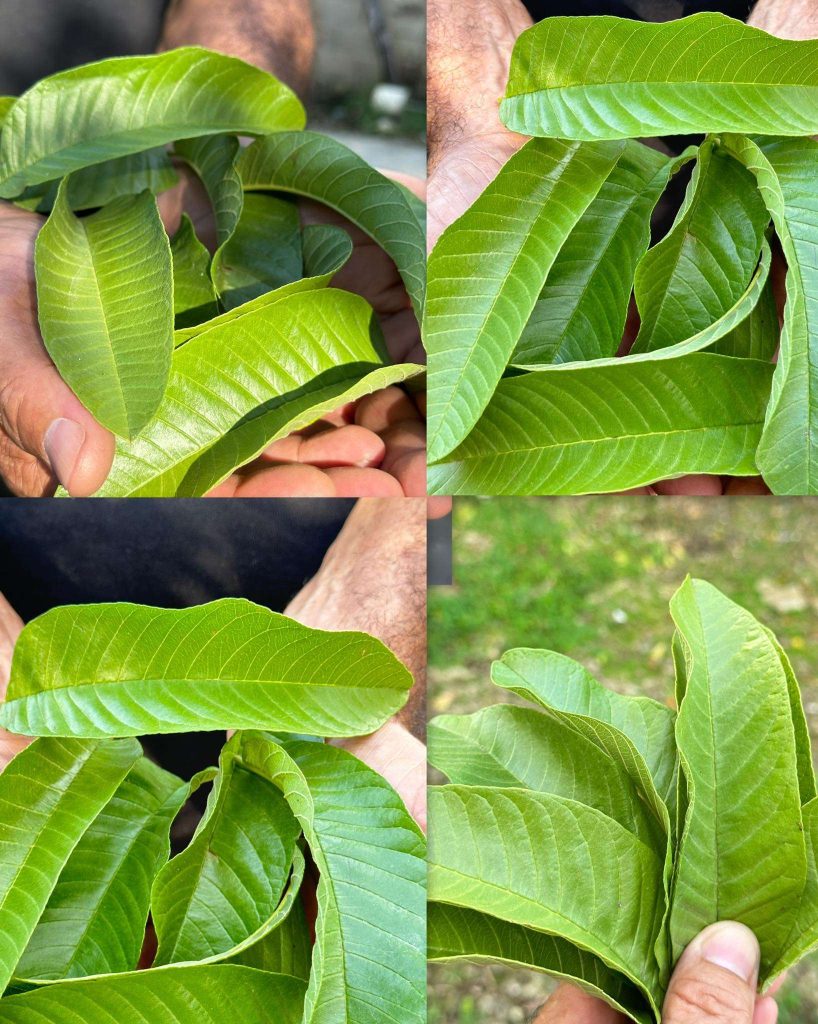
Discover the Remarkable Health Power of Nature's Hidden Gem 🌿
 Espanol
While the sweet, tangy fruit of the guava tree is widely enjoyed, its often-overlooked leaves hold a treasure trove of health benefits. For centuries, traditional medicine systems across the tropics have harnessed the power of guava leaves (Psidium guajava) to treat a myriad of ailments. Modern science is now catching up, validating many of these uses with promising research. This article delves deep into the impressive benefits of guava leaves, moving beyond basic knowledge to provide you with a comprehensive, practical guide on how to integrate this natural powerhouse into your wellness routine. Prepare to be surprised by the versatility hidden in these simple green leaves.
Espanol
A Deep Dive into the Nutritional & Medicinal Profile 🔬
Guava leaves are packed with potent bioactive compounds that drive their therapeutic effects. They are rich in powerful antioxidants like quercetin, flavonoids, and carotenoids, which combat oxidative stress and cellular damage. They also contain essential oils, tannins (like gallocatechins), and saponins. Notably, they possess significant antimicrobial, anti-inflammatory, and astringent properties. This unique combination makes them effective not just for internal health, but for topical applications as well. Unlike the fruit, the leaves are low in sugar and calories, making their benefits accessible without impacting dietary goals.
Top Proven Health Benefits of Guava Leaves ✨
Let's explore the specific, evidence-backed advantages of incorporating guava leaf tea or extract into your life.
1. Blood Sugar Management 🩸
Multiple studies indicate that compounds in guava leaf can help improve insulin sensitivity and lower blood sugar levels. The leaves inhibit certain enzymes that convert carbohydrates into glucose in the bloodstream, leading to a more gradual sugar absorption. Practical Tip: Drinking guava leaf tea after meals may help mitigate blood sugar spikes. However, it should complement, not replace, medical advice for diabetics.
2. Digestive Health & Weight Support 🍃
The anti-microbial and anti-inflammatory properties can soothe the gut, helping to alleviate symptoms of diarrhea, dysentery, and food poisoning by inhibiting harmful bacteria like Staphylococcus aureus. The leaves may also reduce intestinal spasms and mucus secretion. Furthermore, by potentially blocking the absorption of dietary carbohydrates, they can be a supportive tool in a holistic weight management plan.
3. Heart Health Guardian ❤️
By helping to lower "bad" LDL cholesterol and triglycerides, while potentially increasing "good" HDL cholesterol, guava leaves contribute to cardiovascular wellness. The high potassium content helps regulate blood pressure by counteracting the effects of sodium and easing tension in the blood vessel walls.
4. Immune System & Anti-Cancer Potential 🛡️
The high concentration of vitamin C and antioxidants boosts the body's natural defense system. Perhaps most intriguing is preliminary research suggesting that guava leaf extract may have anti-proliferative effects on certain cancer cells, particularly those of the prostate, stomach, and oral cavity, due to its rich lycopene and quercetin content. Much more research is needed, but the potential is significant.
5. Skin, Hair, and Oral Health Topical Uses 🌸
Crushed leaves applied to wounds, ulcers, or acne can accelerate healing and prevent infection due to their astringent and antimicrobial nature. A cooled tea rinse can soothe skin irritations like sunburn or eczema. For oral health, chewing the leaves or using a mouthwash made from the decoction can combat gum inflammation (gingivitis), mouth sores, and toothache, and provides natural breath freshening.
How to Use Guava Leaves: A Practical Guide ☕
To harness these benefits, here are the most common and effective methods:
Guava Leaf Tea (Infusion): This is the simplest method. Wash 5-10 fresh leaves (or use 1 tablespoon of dried leaves). Gently crush them to release the oils, then steep in about 250ml of hot water for 5-10 minutes. Strain and enjoy. You can add honey, ginger, or lemon for flavor. For a stronger decoction, simmer the leaves in water for 15-20 minutes.
Topical Applications: For skin issues, create a poultice by crushing fresh, clean leaves into a paste. For hair health (to combat dandruff and strengthen hair), boil a handful of leaves in water for 20 minutes, let it cool, and use it as a final rinse after shampooing.
Extract & Supplements: Standardized extracts in capsule or tincture form are available. Crucial advice: Always choose reputable brands and consult a healthcare professional for dosage, especially if you have underlying health conditions or are on medication.
Important Precautions and Final Thoughts ⚠️
While generally safe for most people, it's vital to exercise caution. Pregnant and breastfeeding women should avoid therapeutic doses due to a lack of safety data. As it can affect blood sugar, monitor your levels closely if you are diabetic and on medication to avoid hypoglycemia. It may also interact with certain drugs, like immunosuppressants. Start with small amounts to see how your body reacts. Nature provides powerful tools, but they demand respect and informed use.
Conclusion: Embracing a Leaf of Wellness 🌿
From supporting metabolic and heart health to offering antimicrobial protection and skincare solutions, guava leaves are a testament to the profound healing potential found in nature. They move beyond being a simple herbal tea to become a multifaceted component of a proactive health strategy. By understanding their deep-seated benefits and practical applications, you can make an informed choice about integrating them into your lifestyle. Why not begin by swapping your afternoon beverage for a cup of freshly brewed guava leaf tea? Your journey toward harnessing this ancient, yet scientifically relevant, natural remedy starts with a single leaf. Explore, enjoy, and empower your well-being the natural way.
Deja una respuesta