Benefits of Guava Leaves
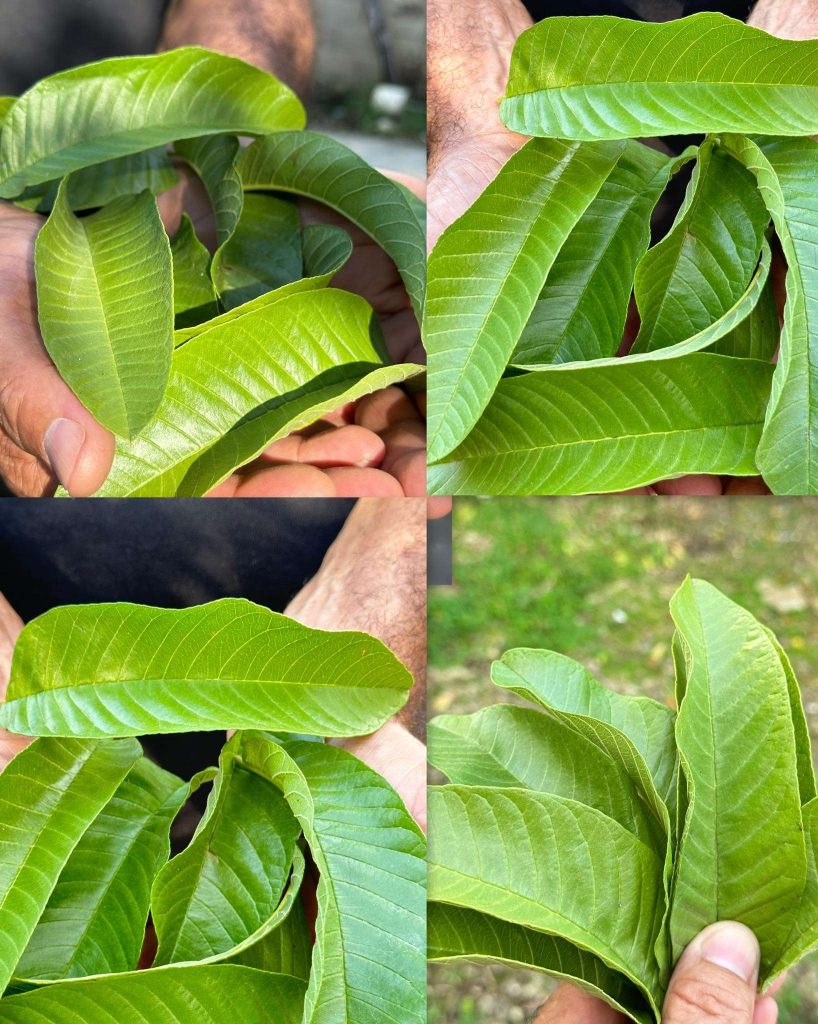
Introduction: The Unsung Hero of Wellness 🌿
 Espanol
When we think of guava, our minds often jump to the delicious, vitamin C-rich fruit. However, the true hidden gem of the Psidium guajava tree lies in its leaves. For centuries, traditional medicine systems across the tropics have harnessed the power of guava leaves for their remarkable therapeutic properties. This article delves into the science-backed benefits of guava leaves, moving beyond superficial claims to provide you with a comprehensive guide. From managing blood sugar to enhancing skin health, we will explore how this readily available natural resource can be a valuable addition to your wellness toolkit, all explained in a professional yet approachable manner with practical tips for everyday use.
Espanol
Nutritional Powerhouse: What's Inside the Leaf? 🧪
Guava leaves are a concentrated source of bioactive compounds. They are rich in powerful antioxidants like quercetin, catechin, and isoflavonoids, which combat oxidative stress and inflammation in the body. Furthermore, they contain essential anti-inflammatory and antimicrobial agents, along with valuable vitamins and minerals. This unique phytochemical profile is the foundation for their wide-ranging health benefits, making them more than just simple foliage.
Blood Sugar Regulation and Diabetes Support 📊
One of the most celebrated benefits of guava leaf tea is its potential to aid in blood sugar management. Studies suggest that compounds in the leaves inhibit the absorption of certain types of sugars in the blood, such as maltose and sucrose. For a practical approach, consider drinking a cup of guava leaf tea after meals. Consistency is key here; incorporating it as a daily ritual may offer better support than sporadic use. It is, however, crucial to consult with a healthcare provider, especially if you are on diabetes medication, to avoid hypoglycemia. 🩺
A Friend to Your Digestive System 🤢➡️🤗
Guava leaves possess strong antibacterial and anti-inflammatory properties that can soothe gastrointestinal issues. They are traditionally used to combat diarrhea, dysentery, and food poisoning by inhibiting harmful gut bacteria like Staphylococcus aureus. For digestive relief, a warm tea made from boiled leaves can help reduce abdominal pain and normalize bowel movements. Start with a weak tea to see how your body responds before increasing the strength or frequency. This makes it a natural, gentle remedy for occasional stomach upsets. 🌱
Boosting Heart Health and Cholesterol Levels ❤️
The antioxidants in guava leaves contribute to cardiovascular wellness. They may help lower "bad" LDL cholesterol and triglycerides while supporting "good" HDL cholesterol levels. This action, combined with a potential mild blood pressure-lowering effect, helps reduce strain on the heart. Supporting your heart health can be as simple as replacing one daily sugary or caffeinated beverage with a cup of unsweetened guava leaf tea, creating a sustainable healthy habit over time.
Radiant Skin and Hair Benefits ✨
Don't overlook the topical applications of guava leaves! Their antimicrobial and anti-inflammatory traits make them excellent for skin care. A cooled leaf decoction can be used as a facial toner to reduce acne, blackheads, and signs of aging. For hair, rinsing with guava leaf tea may strengthen roots, combat dandruff, and even help prevent hair loss due to its nutrient content. For a quick skin treatment, crush fresh leaves with a little water to create a paste and apply it to affected areas for 10-15 minutes. 🍃
Weight Management and Metabolic Aid ⚖️
Guava leaf tea can be a supportive ally in weight management journeys. By preventing the conversion of complex carbohydrates into sugars, it may help reduce the body's urge to store fat. Furthermore, it's a zero-calorie, hydrating beverage that can serve as an excellent substitute for high-calorie drinks. Drinking a cup before meals might also promote a feeling of fullness, potentially leading to reduced calorie intake. Remember, it is a supplement to, not a replacement for, a balanced diet and regular exercise. 👍
How to Prepare and Use Guava Leaves: A Practical Guide 🍵
To harness these benefits, preparation is simple. For tea (the most common method): Wash 5-10 fresh, organic leaves (or use 1 tablespoon of dried leaves). Boil them in 1 liter of water for 10-15 minutes. Strain and enjoy warm or cold. You can add a dash of honey or lemon for flavor, but avoid sugar to maximize health benefits. For topical use, follow the boil-and-cool method for a liquid rinse or paste. Always source leaves from unsprayed trees or reputable suppliers to avoid pesticide exposure. Start with one cup of tea per day to assess tolerance.
Important Precautions and Considerations ⚠️
While generally safe for most people, guava leaf extract may interact with certain medications, particularly for diabetes and blood thinning. Pregnant and breastfeeding women should consult a doctor before use. The key principle is moderation; more is not always better. Listen to your body and discontinue use if you experience any adverse effects like stomach irritation. It is a powerful herbal remedy, not a magic cure-all.
Conclusion: Embracing Nature's Pharmacy 🌍
In summary, guava leaves offer a multitude of science-informed benefits, from aiding metabolic health and digestion to enhancing skin and hair quality. This humble leaf proves that sometimes the most powerful remedies are found in nature's simplest forms. By incorporating guava leaf tea into your routine or using it topically, you can tap into an ancient, holistic tradition of wellness. We encourage you to explore its potential mindfully, alongside a healthy lifestyle. Why not begin your journey today by preparing your first cup? Your body might just thank you for it. 🌟
Deja una respuesta