Benefits of Guava Leaves
 Espanol
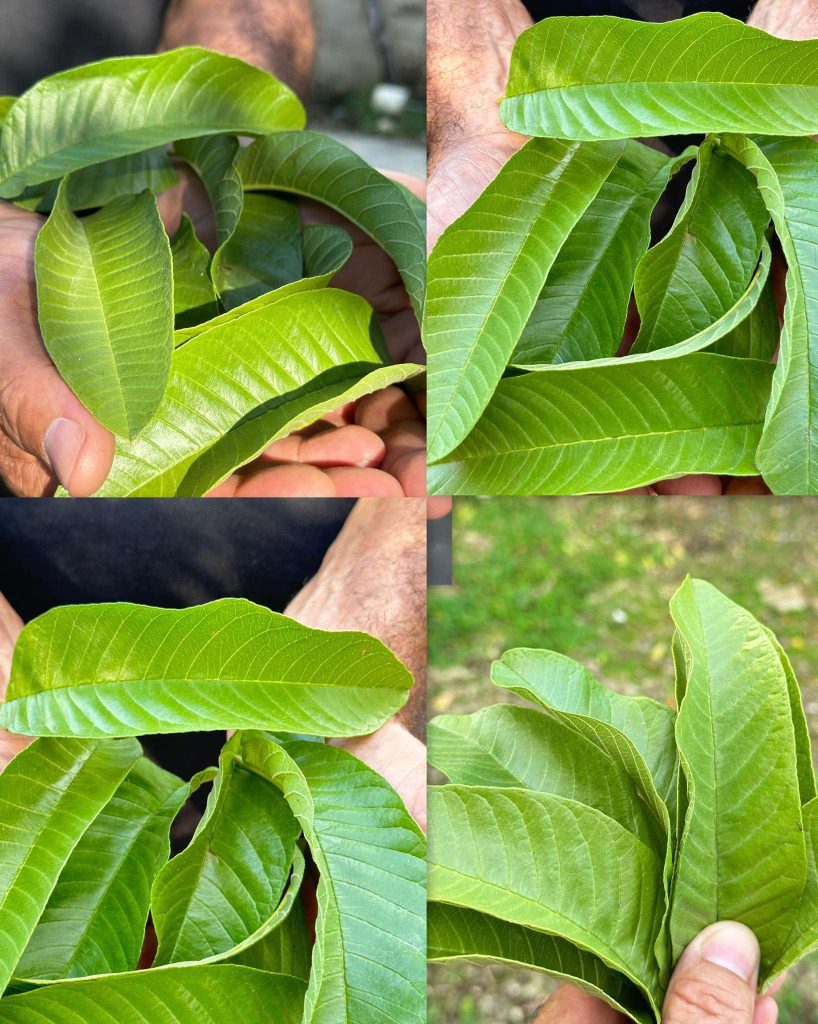
Often overshadowed by its sweet, pink-fleshed fruit, the humble guava leaf is a powerhouse of wellness hiding in plain sight 🌿. For centuries, traditional medicine has harnessed its potent properties, and modern science is now catching up, validating what many cultures have long known. This article delves deep into the remarkable health benefits of guava leaves, moving beyond superficial claims to provide you with a comprehensive, practical guide. From stabilizing blood sugar to rejuvenating your skin, discover how this readily available natural resource can become a cornerstone of your health routine.
Espanol
Nutritional Profile of Guava Leaves 🍃
Before exploring specific benefits, it's crucial to understand what makes guava leaves so special. They are densely packed with bioactive compounds, including powerful antioxidants like quercetin and flavonoids, vital vitamins (notably Vitamin C and B vitamins), and essential minerals such as potassium and magnesium. Furthermore, they possess significant anti-inflammatory, antimicrobial, and anti-diabetic properties. This rich phytochemical composition is the foundation for their wide-ranging therapeutic effects, offering a natural, holistic approach to health maintenance and disease prevention.
Digestive Health and Guava Leaves 🌿
Guava leaves are exceptionally beneficial for the gastrointestinal system. Their antimicrobial properties help combat harmful gut bacteria like Staphylococcus aureus and E. coli, which are often responsible for food poisoning and digestive discomfort. More notably, they have been shown to be highly effective in managing acute diarrhea and gastroenteritis. The leaves contain compounds that inhibit the secretion of watery fluids in the intestines while also reducing intestinal inflammation. A practical tip: drinking a cup of guava leaf tea at the first sign of stomach upset can provide rapid relief and help restore normal digestive function.
Blood Sugar Regulation and Diabetes Management 🩸
This is one of the most well-researched and promising benefits. Guava leaf tea can significantly impact blood glucose control. Studies indicate that it inhibits the absorption of sucrose and maltose in the blood, two key enzymes involved in carbohydrate metabolism. This action helps prevent dangerous blood sugar spikes after meals. For individuals with prediabetes or type 2 diabetes, incorporating guava leaf tea can be a powerful adjunct therapy. It is crucial to consult with your healthcare provider before using it alongside prescribed medication, as it may enhance the effects and require dosage adjustments to avoid hypoglycemia.
Heart Health and Cholesterol Control ❤️
Supporting cardiovascular health is another forte of guava leaves. Regular consumption can contribute to lowering "bad" LDL cholesterol and triglycerides while helping to maintain or increase "good" HDL cholesterol. This is attributed to the leaves' high antioxidant content, which prevents the oxidation of LDL cholesterol—a key step in the formation of arterial plaque. Additionally, the potassium in the leaves acts as a vasodilator, helping to relax blood vessels, improve blood flow, and consequently, manage blood pressure levels. Making guava leaf tea a daily habit can be a simple yet profound step toward a healthier heart.
Skin and Hair Benefits ✨
The benefits extend powerfully to external beauty and skin health. The high antioxidant and antimicrobial load makes guava leaf extract a superb topical agent. For skin, it can accelerate the healing of wounds, cuts, and acne due to its infection-fighting ability and stimulation of collagen production. It is also effective against blackheads and skin inflammation when used as a facial toner. For hair care, a cooled guava leaf tea rinse can strengthen hair follicles, combat dandruff, and prevent hair loss. A practical home recipe: boil a handful of leaves, let the water cool, and use it as a final rinse after shampooing for noticeably stronger, shinier hair.
How to Use Guava Leaves: Practical Tips 🍵
To safely and effectively incorporate guava leaves into your wellness regimen, follow these methods:
- Tea/Infusion: The most common method. Wash 5-10 fresh leaves (or use 1 tablespoon of dried leaves). Boil them in 1 liter of water for 10 minutes. Strain and enjoy warm or cold. You can add honey or lemon for taste.
- Topical Application: For skin issues, create a concentrated decoction by boiling leaves in a smaller amount of water. Let it cool, then apply directly to the affected area with a clean cloth or cotton ball.
- Supplement Form: Guava leaf extract is available in capsules or tinctures. Always choose reputable brands and strictly follow dosage instructions.
Important Note: While generally safe, excessive consumption may cause stomach upset in some. Pregnant or breastfeeding women and individuals on medication (especially for diabetes or blood pressure) should seek medical advice first.
Conclusion and Final Thoughts
The guava tree truly gives the gift of health from its roots to its fruits, with its leaves standing out as a particularly medicinal part. As we've explored, guava leaves offer a multifaceted approach to well-being, addressing critical areas from blood sugar balance and heart health to digestive comfort and skin vitality. Their strength lies in the synergy of their natural compounds, offering a gentle yet effective alternative or complement to conventional approaches. We encourage you to explore the benefits of guava leaves responsibly, starting with a simple cup of tea. By integrating this ancient remedy into a modern, balanced lifestyle, you harness the power of nature for a healthier, more vibrant you 🌱.
Deja una respuesta