Benefits of Guava Leaves
 Espanol
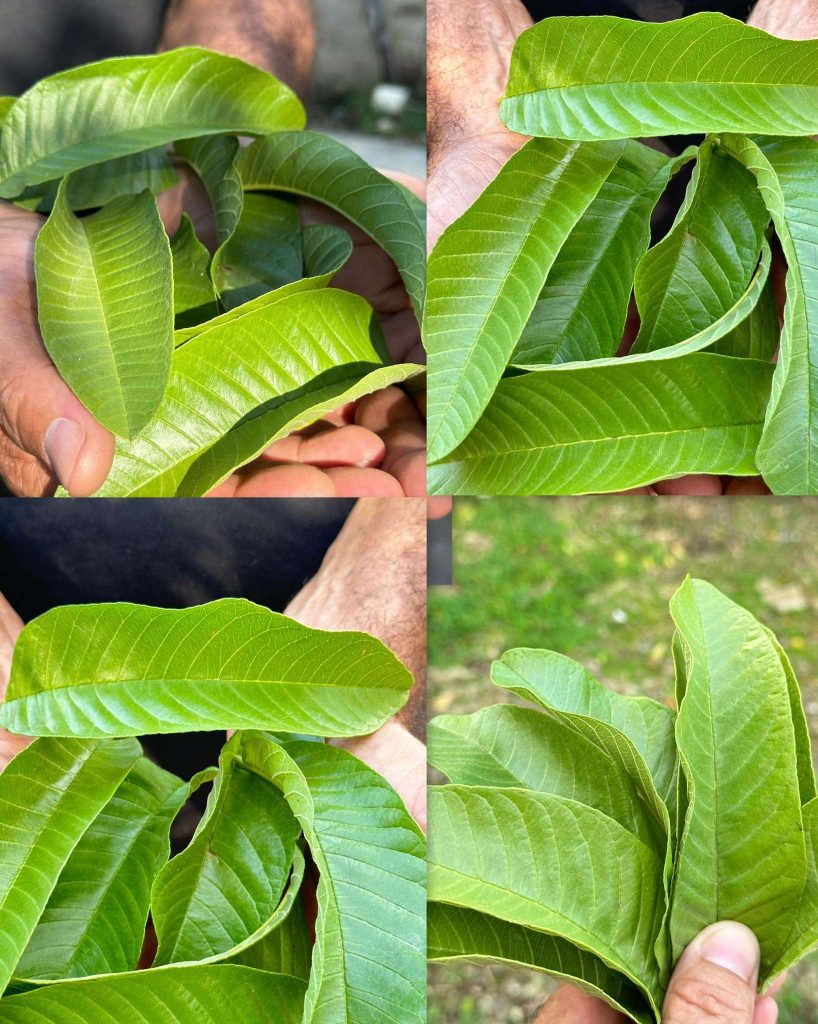
In the realm of natural wellness, few plants are as versatile and widely cherished as the guava tree (Psidium guajava). While the sweet, aromatic fruit rightly garners attention, the true hidden gem lies in its vibrant green leaves. 🍃 For centuries, traditional medicine systems across the tropics have harnessed the power of guava leaves to address a myriad of health concerns. This article delves deep into the science-backed Benefits of Guava Leaves, moving beyond superficial claims to provide you with a comprehensive, practical guide. Discover how this humble leaf can become a cornerstone of your natural health toolkit.
Espanol
Nutritional Powerhouse: What's in Guava Leaves? 💊
To understand their benefits, we must first look at what makes guava leaves special. They are packed with a potent blend of bioactive compounds, including flavonoids (like quercetin), carotenoids, tannins, and essential oils. They are a rich source of vitamin C and antioxidants, even more concentrated than in the fruit itself. These compounds work synergistically to provide anti-inflammatory, antimicrobial, and therapeutic effects, forming the basis for the leaves' wide-ranging applications.
Blood Sugar Regulation: A Natural Aid for Diabetes 🩸
One of the most researched benefits of guava leaf tea is its positive impact on blood glucose levels. Studies suggest that compounds in the leaves inhibit the absorption of certain types of sugars in the bloodstream, such as maltose and sucrose. Drinking guava leaf tea after meals may help prevent blood sugar spikes. Furthermore, it can improve insulin sensitivity and reduce insulin resistance, making it a valuable complementary approach for managing type 2 diabetes. Always consult with your healthcare provider before making changes to your diabetes management plan.
Digestive Health: Soothing Your Gut 🤢
Guava leaves are renowned for their gastrointestinal benefits. Their strong anti-bacterial and anti-inflammatory properties can help combat pathogens like Staphylococcus aureus and E. coli, which are common causes of food poisoning and diarrhea. The leaves also contain tannins that have an astringent effect, helping to reduce symptoms of gastroenteritis and stomach upsets. A warm cup of guava leaf tea can soothe cramps, reduce acidity, and promote a healthier gut environment.
Skin and Hair Elixir: Beauty from Within 🧴
Your skin and hair can greatly benefit from guava leaves, both internally and topically. The high antioxidant content fights free radicals, slowing down skin aging and reducing wrinkles. For acne, the leaves' antimicrobial properties help eliminate acne-causing bacteria. Try applying a cooled guava leaf tea rinse to your face or scalp. For hair, it can combat dandruff, strengthen hair follicles, and even help prevent hair loss by stimulating circulation when massaged into the scalp.
Immune System Booster: Fighting Off Infections 🛡️
The impressive levels of vitamin C and flavonoids in guava leaves provide a significant boost to the immune system. Vitamin C is crucial for the production of white blood cells, the body's primary defense against infections. Regularly consuming guava leaf tea can help shorten the duration of colds and flu and act as a preventative measure during flu season. Its antiviral properties are also noted in traditional remedies for reducing symptoms of dengue fever by increasing platelet count.
Heart Health: Supporting Cardiovascular Function ❤️
Cardiovascular wellness is another area where guava leaves shine. The leaves help lower "bad" LDL cholesterol and triglycerides while supporting "good" HDL cholesterol levels. This is largely due to their high potassium and soluble fiber content. Potassium helps regulate blood pressure by counteracting the effects of sodium and easing tension in the blood vessel walls. Incorporating guava leaf tea into a heart-healthy lifestyle can contribute to long-term cardiovascular protection.
Weight Management: Aiding in Metabolism ⚖️
For those on a weight management journey, guava leaves can be a helpful ally. They prevent complex carbohydrates from being converted into sugars, which the body stores as fat. This can lead to reduced cravings and a feeling of satiety. Furthermore, the leaves have no cholesterol and a very low number of digestible carbohydrates, making the tea an excellent, calorie-free beverage choice that supports metabolic health.
How to Use Guava Leaves: Practical Tips 🍵
To reap these benefits, here are the most effective and simple ways to use guava leaves:
- Tea (Infusion): The most common method. Wash 5-10 fresh leaves (or use 1 tbsp dried leaves). Boil in 1 liter of water for 10 minutes. Strain and enjoy warm or cold. You can add honey or lemon for taste.
- Topical Application: For skin and hair, prepare a strong tea, let it cool, and apply it directly as a toner, compress, or final hair rinse.
- Leaf Extract: Crush fresh leaves into a paste to apply directly on wounds, acne, or insect bites for their antiseptic properties.
- Powder: Dried, powdered leaves can be added to smoothies, juices, or yogurt.
Start with one cup of tea per day to see how your body responds, and never exceed 3-4 cups daily. Pregnant or breastfeeding women and individuals on medication should consult a doctor first.
Conclusion: Embracing a Leaf of Life 🌿
The evidence is clear: guava leaves are far more than just tree foliage. From regulating blood sugar and enhancing digestion to nurturing skin, boosting immunity, and protecting the heart, their benefits are both profound and practical. This natural remedy offers a holistic, accessible approach to wellness that complements modern medicine. By integrating guava leaf tea or extracts into your daily routine, you are tapping into an ancient, yet scientifically relevant, source of healing. Begin your journey today—your body will thank you for this simple, powerful addition to your health regimen. Remember, consistency is key to unlocking the full spectrum of benefits that these remarkable leaves have to offer.
Deja una respuesta