Benefits of Guava Leaves
 Espanol
Espanol
The Hidden Gem in Your Garden: Exploring the Benefits of Guava Leaves
Often overshadowed by its delicious fruit, the humble guava leaf is a powerhouse of wellness hiding in plain sight. 🌳 For centuries, traditional medicine systems have harnessed its potent properties, and modern science is now catching up, validating what ancient healers knew all along. This article delves beyond the surface to explore the profound health and practical benefits of guava leaves, offering you a natural, accessible tool for enhancing your well-being. Let's uncover the secrets of this versatile leaf together.
Nutritional Powerhouse: What's Inside a Guava Leaf? 🔬
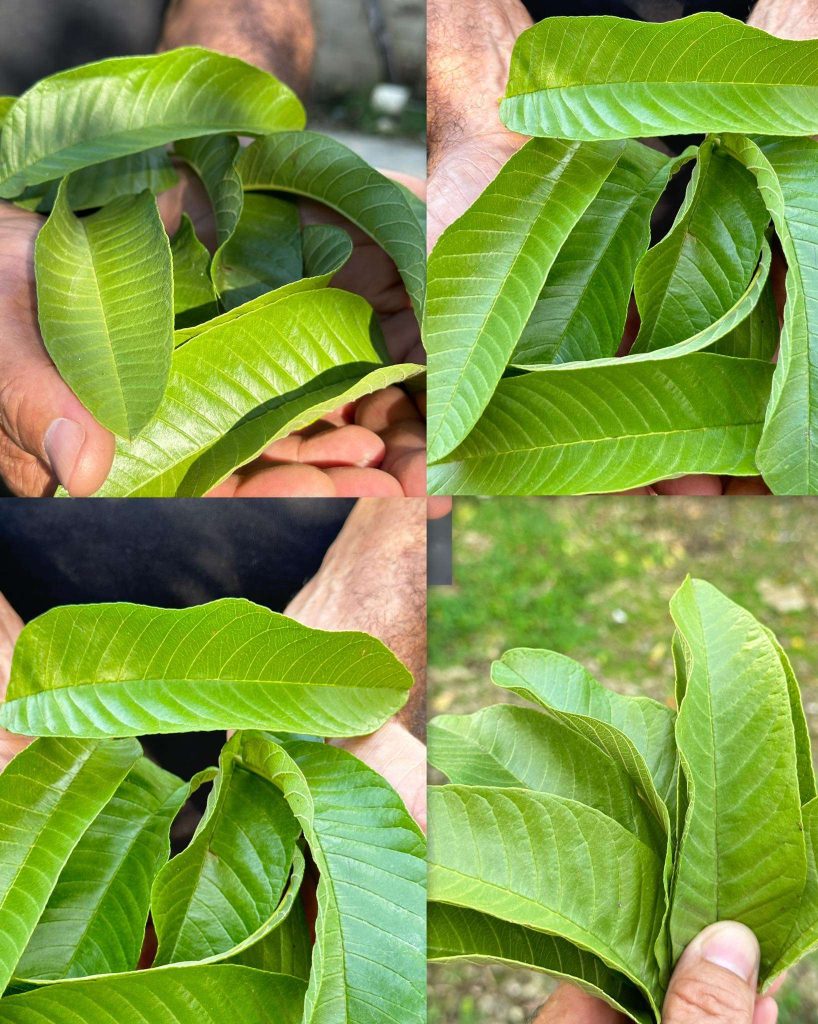
Guava leaves (Psidium guajava) are packed with a rich profile of bioactive compounds. They are an excellent source of antioxidants like quercetin and flavonoids, which combat oxidative stress. They also contain potent anti-inflammatory agents, essential oils, and vitamins such as Vitamin C and B vitamins. Furthermore, they boast minerals like iron, magnesium, and potassium. This unique composition is the foundation for their wide-ranging therapeutic effects, making them more than just simple foliage.
Top Health Benefits Backed by Tradition & Science
The applications of guava leaves are impressively diverse. Here are some of the most significant, evidence-supported benefits:
1. A Friend to Your Digestive System 🤢➡️😊
Guava leaf tea is renowned for its gastrointestinal benefits. Its anti-inflammatory and antimicrobial properties can help soothe stomach ulcers, reduce episodes of diarrhea, and alleviate symptoms of food poisoning. Drinking a cup of warm guava leaf tea after meals can significantly aid digestion and prevent common stomach upsets. The leaves help inhibit the growth of harmful bacteria like Staphylococcus aureus while being gentle on your gut flora.
2. Blood Sugar Regulation and Diabetes Support 🩸
This is one of the most celebrated benefits. Studies suggest that compounds in guava leaves can help improve insulin resistance and lower blood sugar levels. They inhibit the absorption of certain types of sugars in the blood, such as sucrose and maltose. For those managing blood sugar, incorporating guava leaf tea (under medical guidance) can be a valuable complementary practice. It’s a natural approach that has garnered serious scientific interest.
3. Boosting Heart Health ❤️
The heart-healthy trifecta in guava leaves includes potassium (for blood pressure regulation), antioxidants (to prevent LDL cholesterol oxidation), and fiber-like compounds. Together, they can help lower "bad" LDL cholesterol and triglycerides, potentially reducing the risk of atherosclerosis and coronary heart disease. Supporting cardiovascular health can be as simple as swapping your regular afternoon drink for a cup of guava leaf infusion.
4. Skin and Hair Elixir ✨
Applied topically, guava leaf paste or rinse works wonders. Its antimicrobial and anti-inflammatory nature makes it effective against acne, blackheads, and skin infections. For hair, it can combat dandruff, prevent hair loss, and is often used as a natural rinse to strengthen hair follicles and add shine. Creating a simple face mask with crushed guava leaves and water can provide a refreshing, clarifying treatment for your skin.
5. Weight Management Aid ⚖️
Guava leaves may support weight loss efforts by preventing the conversion of complex carbohydrates into usable sugars. This can reduce cravings and help manage calorie intake. Furthermore, as a caffeine-free beverage, guava leaf tea is a perfect, flavorful hydrator that can replace sugary drinks, directly contributing to a healthier diet.
6. Oral Health Guardian 🦷
Thanks to their strong anti-inflammatory and antimicrobial prowess, guava leaves are excellent for oral care. Chewing on tender leaves or using a decoction as a mouthwash can relieve toothache, heal mouth ulcers, and combat gingivitis by reducing plaque. It's nature's answer to oral inflammation.
How to Use Guava Leaves: Practical Tips for Daily Life
Incorporating guava leaves into your routine is straightforward. Here’s how:
• Guava Leaf Tea: The most common method. Wash 5-10 fresh leaves (or use 1 tablespoon dried). Boil in 1 liter of water for 10 minutes. Strain and enjoy warm or cold. You can add honey or lemon for taste. 🍵
• Topical Application: For skin, grind fresh leaves into a paste with a little water. Apply to affected areas, leave for 10-15 minutes, and rinse. For hair, boil a handful of leaves, let the water cool, and use it as a final rinse after shampooing.
• Essential Oil: Though less common, guava leaf oil can be used in aromatherapy or diluted for topical use.
Important Note: While generally safe, it's crucial to consult with a healthcare professional before using guava leaves therapeutically, especially if you are pregnant, nursing, on medication, or have a chronic health condition. Start with small amounts to see how your body reacts.
Conclusion: Embracing a Leaf of Life
From regulating blood sugar to rejuvenating skin and strengthening hair, the guava leaf stands as a testament to nature's profound ability to nurture and heal. 🌿 It’s a readily available, cost-effective, and multi-purpose natural remedy that bridges the gap between traditional wisdom and modern wellness needs. By understanding and utilizing these benefits, you can take a proactive step towards a more holistic health approach. We encourage you to explore this natural wonder—perhaps start by brewing a simple cup of tea—and experience its benefits firsthand. Remember, the greatest treasures are sometimes found not in the fruit, but in the leaves that nurture it.
Deja una respuesta