Benefits of Guava Leaves
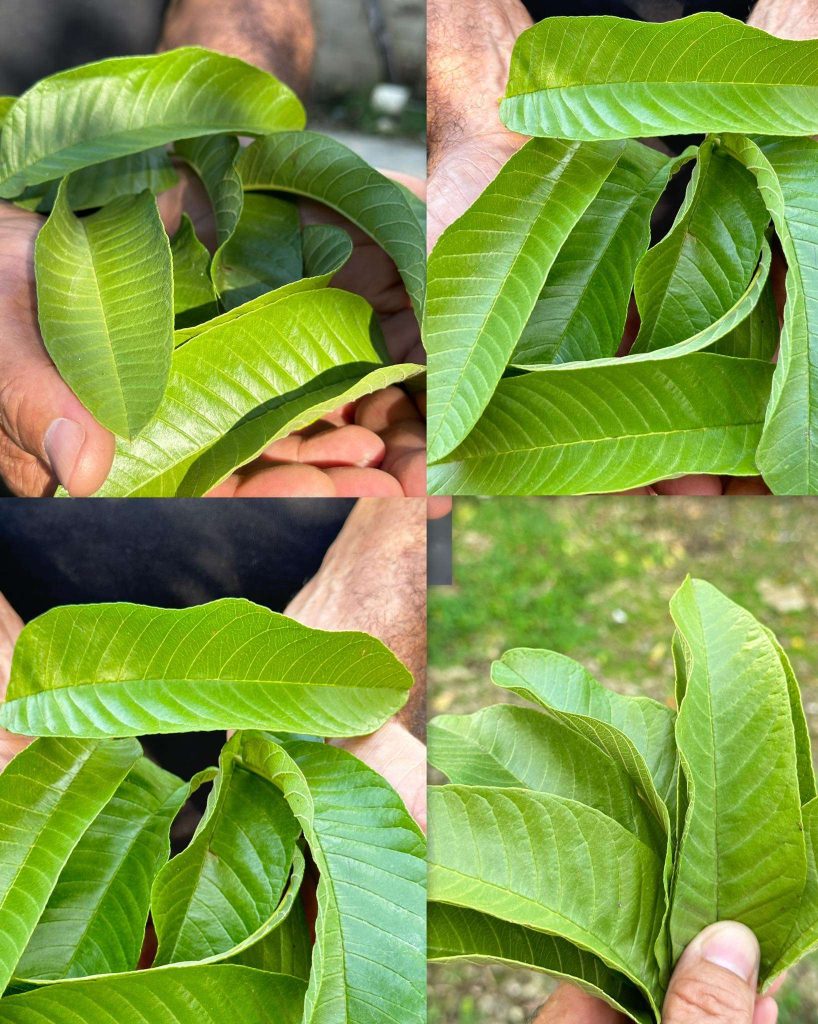
Unlocking Nature's Pharmacy: The Remarkable Benefits of Guava Leaves 🍃
 Espanol
Often overshadowed by its sweet, tangy fruit, the humble guava tree (Psidium guajava) holds a secret in its verdant foliage. For centuries, guava leaves have been a cornerstone in traditional medicine systems across tropical regions, from Ayurveda to folk practices in Latin America and Asia. Today, modern science is beginning to validate what ancient healers long understood: these leaves are a potent reservoir of health-promoting compounds. This article delves deep into the scientifically-backed benefits of guava leaves, moving beyond superficial claims to provide you with practical, actionable knowledge. We'll explore how this readily available natural resource can support everything from metabolic health to radiant skin, offering a professional yet friendly guide to integrating its power into your wellness routine.
Espanol
Nutritional Powerhouse: What's Inside the Leaf? 🔬
Before we explore the specific benefits, it's crucial to understand why guava leaves are so effective. Their therapeutic potential is largely attributed to a rich profile of bioactive compounds. They are exceptionally high in antioxidants like quercetin, catechin, and isoflavonoids, which combat oxidative stress and inflammation at the cellular level. Furthermore, they contain potent anti-inflammatory agents, essential vitamins (notably vitamin C and B vitamins), and minerals like potassium and magnesium. Perhaps most notably, guava leaves possess significant antibacterial and antimicrobial properties, thanks to compounds like flavonoids and tannins, making them a formidable ally against various pathogens. This unique composition transforms a simple leaf into a multifaceted natural remedy.
A Friend to Your Digestive System 🤢➡️🤗
One of the most celebrated uses of guava leaves is for gastrointestinal health. If you suffer from occasional digestive discomfort, guava leaf tea might be a game-changer. The leaves contain compounds that help inhibit the growth of harmful bacteria like Staphylococcus aureus and E. coli in the gut, while allowing beneficial flora to thrive. This can alleviate symptoms of food poisoning, diarrhea, and dysentery. Moreover, the anti-inflammatory properties help soothe the lining of the stomach and intestines, reducing cramps and bloating. For a practical remedy: simply boil 1-2 tablespoons of dried leaves in a cup of water for 10 minutes, strain, and drink warm. Consuming this tea after meals can aid digestion and prevent common stomach upsets.
Blood Sugar Regulation: A Natural Support System 📉
Emerging research presents guava leaves as a promising natural adjunct for managing blood glucose levels. Several studies suggest that compounds in the leaf can help improve insulin resistance and lower blood sugar after meals. The mechanisms are believed to involve the inhibition of certain enzymes (like alpha-glucosidase) that convert carbohydrates into glucose in the gut, leading to a slower and more controlled absorption of sugar into the bloodstream. While not a replacement for prescribed medication, incorporating unsweetened guava leaf tea can be a supportive dietary strategy. It's essential to consult with a healthcare provider before use, especially if you are on hypoglycemic drugs, to monitor and avoid potential interactions.
Boosting Heart Health and Circulation ❤️
Your cardiovascular system can also reap rewards from guava leaves. The high potassium content helps regulate blood pressure by counteracting the effects of sodium and easing tension in the blood vessel walls. The antioxidant and anti-inflammatory effects contribute to reducing bad cholesterol (LDL) and preventing the oxidation of LDL, a key step in the formation of arterial plaque. By supporting healthier cholesterol profiles and more flexible blood vessels, regular consumption of guava leaf extract or tea may contribute to a lower risk of atherosclerosis, hypertension, and other heart-related conditions. Think of it as a gentle, daily tonic for one of your body's most vital systems.
Radiant Skin and Strong Hair Secrets ✨
The benefits of guava leaves extend topically, offering a bounty for your skin and hair. Their antibacterial and anti-inflammatory nature makes a crushed leaf poultice or a wash from boiled leaves an excellent remedy for acne, reducing redness and preventing infection. The antioxidants fight free radicals that cause premature aging, helping to maintain skin elasticity and diminish wrinkles. For your hair, rinsing with cooled guava leaf tea can strengthen hair follicles, combat dandruff (often caused by fungal growth), and may even help slow down hair loss due to its nutrient density. It’s a holistic, chemical-free addition to your beauty regimen.
Immune Defense and Oral Health Shield 🛡️😁
With their high vitamin C content and antimicrobial prowess, guava leaves serve as a robust immune booster. Drinking the tea during cold season can provide support. Furthermore, their application for oral health is exceptional. The anti-plaque and antibacterial properties make guava leaf extract a common ingredient in natural mouthwashes and toothpastes. Chewing on a tender, cleaned leaf or using a mouth rinse made from leaf decoction can effectively soothe gum inflammation (gingivitis), heal mouth ulcers, and provide relief from toothache by targeting the underlying bacteria. It’s a powerful, natural tool for a healthier mouth.
Practical Guide: How to Use Guava Leaves 🍵
To harness these benefits, here are the most common and effective methods:
- Tea/Decoction: The most popular method. Use 3-5 fresh leaves or 1 tablespoon of dried leaves per cup of water. Boil for 10-15 minutes, strain, and drink. You can add a dash of honey or lemon for taste, but avoid sugar to maximize benefits, especially for blood sugar control.
- Topical Application: For skin issues, crush fresh leaves into a paste and apply directly to affected areas, or use the cooled tea as a facial wash or hair rinse.
- Extract/Supplement: Commercially available guava leaf extract capsules or tinctures offer a concentrated dose. Always choose reputable brands and follow dosage instructions carefully.
Start with a small amount to see how your body reacts, and consistency is key for chronic benefits.
Important Considerations and Conclusion 🌿
While guava leaves are generally safe for most people, certain precautions are necessary. Pregnant and breastfeeding women should consult a doctor before use. As mentioned, individuals with diabetes or those scheduled for surgery (due to potential blood sugar-lowering effects) should use them under medical supervision. Possible side effects are rare but can include stomach irritation in some individuals.
In conclusion, the guava tree offers us far more than just its delicious fruit. Its leaves stand out as a versatile, accessible, and potent natural remedy with a broad spectrum of applications—from regulating metabolism and protecting the heart to enhancing skin beauty and fortifying oral health. By understanding their properties and learning how to use them safely, we can tap into an ancient, yet scientifically relevant, source of wellness. Consider introducing a cup of guava leaf tea into your weekly routine; it might just become your favorite natural health ally. Embrace this gift from nature and take a proactive step towards holistic well-being. 🌱
Deja una respuesta