Benefits of Guava Leaves
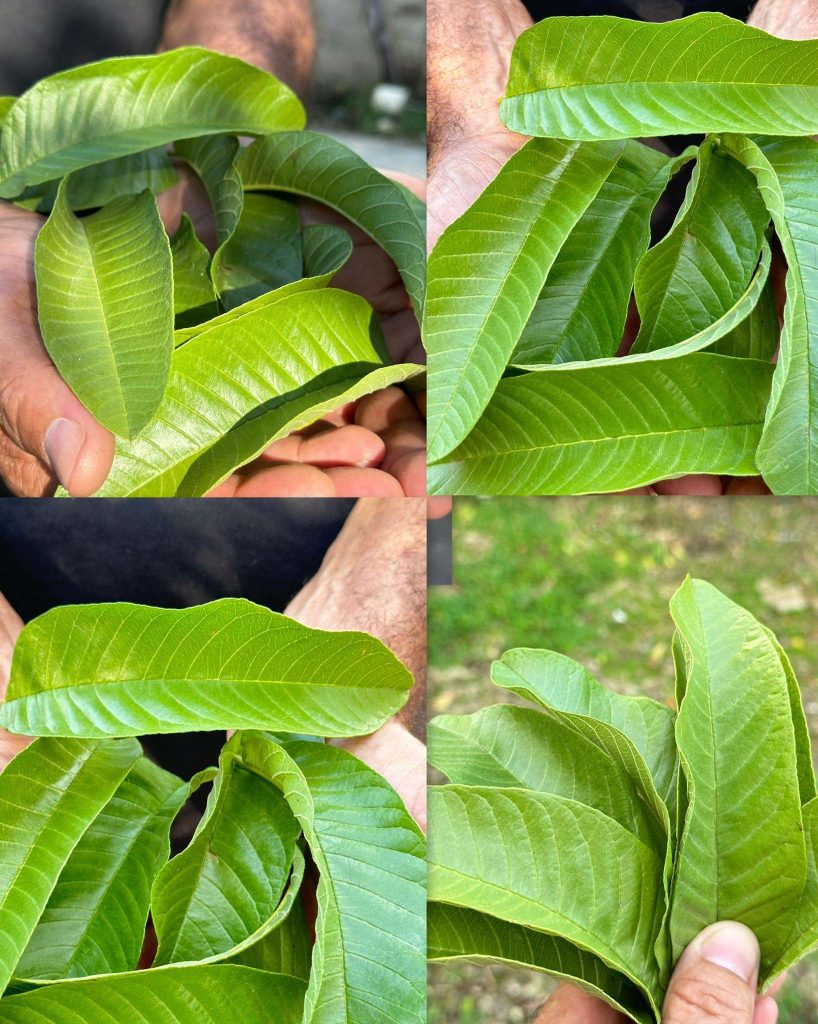
Introduction: The Unsung Hero of Wellness 🌿
 Espanol
When we think of the guava tree, our minds often go straight to its delicious and vitamin C-rich fruit. However, there's a powerful, often overlooked part of this plant that has been treasured in traditional medicine for centuries: the guava leaf. Packed with a remarkable array of bioactive compounds, guava leaves offer a multitude of health benefits that extend far beyond the fruit's nutritional value. This article will delve into the science and traditional wisdom behind guava leaves, exploring their practical applications and how you can easily incorporate them into your wellness routine. Let's unlock the potential of this natural powerhouse.
Espanol
Nutritional Powerhouse: What's Inside the Leaf? 🔬
Guava leaves (Psidium guajava) are a rich source of essential vitamins, minerals, and potent plant compounds. They contain significant amounts of antioxidants like quercetin, flavonoids, and carotenoids, which combat oxidative stress in the body. They are also rich in beneficial tannins, saponins, and essential oils. Furthermore, the leaves possess anti-inflammatory, antimicrobial, and antidiabetic properties, largely attributed to compounds such as gallic acid, catechin, and quercetin. This unique phytochemical profile is the foundation for their wide-ranging therapeutic effects.
Key Health Benefits and Practical Applications
The benefits of guava leaves are diverse, impacting everything from metabolic health to skin care. Here are some of the most well-researched and practical advantages.
Supporting Digestive Health 🤢➡️😊
Guava leaf tea is a renowned remedy for various gastrointestinal issues. Its anti-inflammatory and antimicrobial properties can help soothe an upset stomach, reduce symptoms of diarrhea, and combat harmful gut bacteria. The compounds in the leaves may also inhibit the growth of specific bacteria like Staphylococcus aureus and E. coli. For a calming digestive tea, simply steep a handful of clean, fresh or dried leaves in hot water for 5-10 minutes. Consuming a cup after meals can aid digestion and prevent discomfort.
Promoting Healthy Blood Sugar Levels 📉
Several studies suggest that guava leaf extract can help improve insulin resistance and lower blood sugar levels. The leaves appear to inhibit certain enzymes that convert carbohydrates in the digestive tract into glucose, potentially leading to a slower and more controlled absorption of sugar. While not a replacement for prescribed medication, incorporating guava leaf tea can be a supportive dietary measure for those managing their blood sugar, under a doctor's guidance. 🩺
Boosting Heart Health ❤️
The holistic impact on heart health is impressive. The leaves may help by lowering "bad" LDL cholesterol and triglycerides while raising "good" HDL cholesterol. Their high potassium content helps regulate blood pressure by counteracting the effects of sodium and easing tension in the blood vessel walls. The antioxidant activity also protects the heart from oxidative damage. Making guava leaf tea a regular part of a heart-healthy lifestyle can contribute to long-term cardiovascular wellness.
Enhancing Skin and Hair Beauty ✨
Topically, guava leaves offer fantastic benefits for skin and hair. Their antiseptic and anti-inflammatory qualities make them excellent for treating acne, dark spots, and delaying signs of aging. A simple facial steam with guava leaves can open pores and clarify the skin. For hair, boiling the leaves into a potent rinse can strengthen hair follicles, combat dandruff, and promote healthy growth. Applying cooled guava leaf tea to the scalp with a cotton ball is an easy weekly treatment for a healthier mane. 💆♀️
Weight Management and Oral Health
The leaves can aid in weight management by preventing complex starches from being converted into sugars, which the body then stores as fat. For oral health, chewing on tender guava leaves or using a mouthwash made from their decoction can relieve toothache, heal mouth ulcers, and fight gum inflammation due to their analgesic and antimicrobial effects. It's a natural first-aid kit for common oral issues. 🦷
How to Use Guava Leaves: A Practical Guide
Integrating guava leaves into your life is simple and cost-effective.
- Tea/Decoction: The most common method. Use 4-6 fresh leaves or 1 tablespoon of dried leaves per cup of boiling water. Steep for 5-10 minutes, strain, and enjoy. You can add honey or lemon for taste.
- Topical Application: For skin, crush fresh leaves into a paste and apply to affected areas. For hair, boil a large handful of leaves in water for 20 minutes, cool, and use as a final rinse after shampooing.
- Extract/Powder: Concentrated extracts and powders are available as supplements. Always follow dosage instructions and consult a healthcare professional before starting any new supplement regimen.
Important Note: While generally safe, it's wise to start with small amounts to check for any allergic reactions. Pregnant or breastfeeding women and individuals on medication (especially for diabetes or blood pressure) should consult their doctor before regular consumption. ⚠️
Conclusion: Embracing Nature's Pharmacy 🌱
From aiding digestion and regulating blood sugar to promoting radiant skin and a strong heart, the humble guava leaf proves to be a formidable ally in natural health. Its centuries-old use in traditional medicine is now being validated by modern science, revealing a profile rich in healing compounds. By learning to harness its power—whether through a soothing cup of tea or a targeted topical treatment—we can access an accessible, natural tool for holistic well-being. Consider exploring the benefits of guava leaves as a complementary part of your health-conscious lifestyle. Remember, the simplest leaves often hold the most profound secrets to wellness.
Deja una respuesta