Benefits of Guava Leaves
 Espanol
🌿 Welcome to a deep dive into one of nature's most underrated treasures! While the humble guava fruit enjoys global fame, its leaves are often overlooked despite harboring an impressive array of health-promoting properties. This article will explore the science-backed benefits of guava leaves, offering you practical ways to integrate this powerful natural remedy into your wellness routine. Let's unlock the potential of these vibrant green leaves together! 🍃
Espanol
Introduction to Guava Leaves: Nature’s Hidden Treasure 🍃
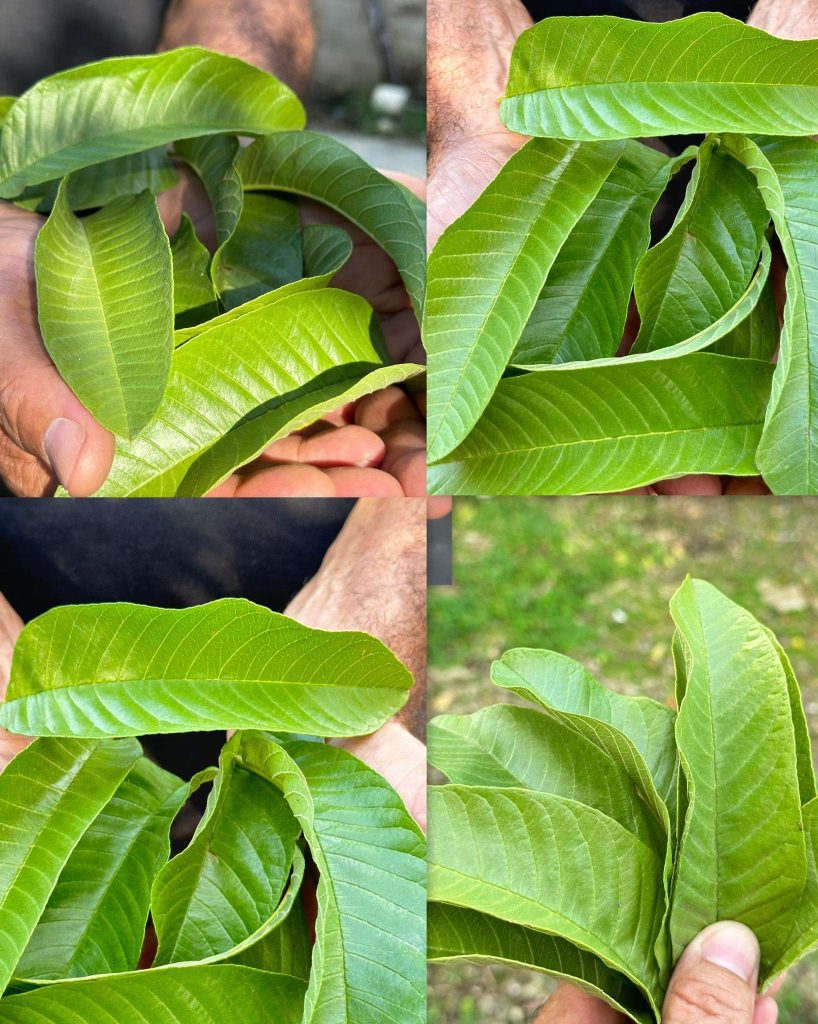
Guava leaves, derived from the Psidium guajava tree, have been a cornerstone in traditional medicine systems like Ayurveda for centuries. 🌎 Modern science is now catching up, validating what ancient healers knew: these leaves are a powerhouse of bioactive compounds. Unlike the fruit, the leaves offer a concentrated source of flavonoids, tannins, and essential oils, making them a potent tool for managing various health conditions. This article will guide you through their multifaceted benefits and practical applications.
Nutritional Powerhouse: What’s Inside Guava Leaves? 🔬
To understand their benefits, we must first look at their unique composition. Guava leaves are rich in:
- Antioxidants (Quercetin, Catechin): These compounds combat oxidative stress and free radical damage, which are linked to chronic diseases and aging. 🛡️
- Anti-inflammatory Agents: They contain potent anti-inflammatory compounds that can help reduce swelling and pain in the body.
- Antimicrobial Properties: Effective against a range of harmful bacteria and fungi, supporting the body's natural defenses. 🦠
- Vitamins & Minerals: They provide a good dose of Vitamin C, flavonoids, and tannins, contributing to overall vitality.
This rich phytochemical profile is the foundation for the wide-ranging health benefits we will explore next.
Top Health Benefits of Guava Leaves 🌿
The applications of guava leaves are surprisingly vast. Here are some of the most significant, evidence-backed benefits:
1. Blood Sugar Regulation: 🩸 Several studies indicate that guava leaf tea can help lower blood glucose levels and improve insulin resistance. Consuming guava leaf tea after meals may help mitigate blood sugar spikes. This makes it a valuable, natural adjunct for managing diabetes and metabolic health.
2. Digestive Health Champion: 🤢 Whether it's indigestion, nausea, or food poisoning, guava leaf tea has been used to soothe the stomach. Its antimicrobial properties can help combat bad bacteria like Salmonella and E. coli, while its anti-inflammatory effects calm an irritated gut lining.
3. Heart Health Supporter: ❤️ The leaves may contribute to cardiovascular wellness by helping to lower "bad" LDL cholesterol and triglycerides. The potassium and antioxidants also support healthy blood pressure and protect blood vessels from oxidative damage.
4. Skin and Hair Elixir: ✨ Applied topically or consumed, guava leaves promote collagen production, fight acne-causing bacteria, and can soothe skin conditions like eczema. For hair, a leaf rinse is traditionally used to combat dandruff and strengthen hair follicles, reducing hair loss.
5. Immune System Boost: 🛡️ Packed with vitamin C and antioxidants, guava leaves strengthen the body's immune response. A daily cup of tea, especially during cold season, can be a simple, effective preventive measure.
How to Use Guava Leaves: Practical Tips and Methods 🍵
Incorporating guava leaves into your life is simple and versatile. Here are the most common and effective methods:
Guava Leaf Tea (The Standard Method): This is the easiest way to reap the internal benefits.
- Wash 5-10 fresh, organic leaves thoroughly (or use 1 tablespoon of dried leaves).
- Boil them in 1 liter of water for about 10 minutes.
- Strain the liquid and enjoy it warm or cold. You can add honey or lemon for taste. For optimal digestive benefits, drink a cup 20 minutes before or after a main meal. ☕
Topical Applications: For skin and hair, create a concentrated decoction by boiling a handful of leaves in a smaller amount of water. Once cooled, use it as a facial toner, a soak for troubled skin, or a final hair rinse after shampooing.
Culinary Uses: In some cuisines, young guava leaves are tender enough to be added raw to salads or used as a wrap for steaming foods, imparting a subtle, herbal flavor.
Potential Side Effects and Precautions ⚠️
While generally safe for most people, it's crucial to practice mindfulness. Guava leaves are potent. If you are pregnant, breastfeeding, or on medication (especially for diabetes or blood thinning), consult your healthcare provider before regular consumption. Start with small amounts (like one cup of tea per day) to see how your body reacts. As with any herbal remedy, moderation is key to avoid potential stomach irritation or interactions.
Conclusion: Embracing the Guava Leaf for Holistic Well-being
From regulating blood sugar to enhancing skin radiance, guava leaves offer a remarkable, natural pathway to better health. 🌟 Their blend of antioxidants, anti-inflammatory, and antimicrobial properties makes them a versatile addition to both your kitchen pantry and your medicine cabinet. We've explored the robust science behind their benefits and provided clear, actionable methods for use. By integrating guava leaf tea or topical treatments into your routine, you are tapping into an ancient, yet scientifically-relevant, source of wellness. Why not brew your first cup today and experience the gentle power of nature's hidden treasure? Your journey toward a more natural, holistic lifestyle starts with a single leaf. 🍃
Deja una respuesta