Benefits of Guava Leaves
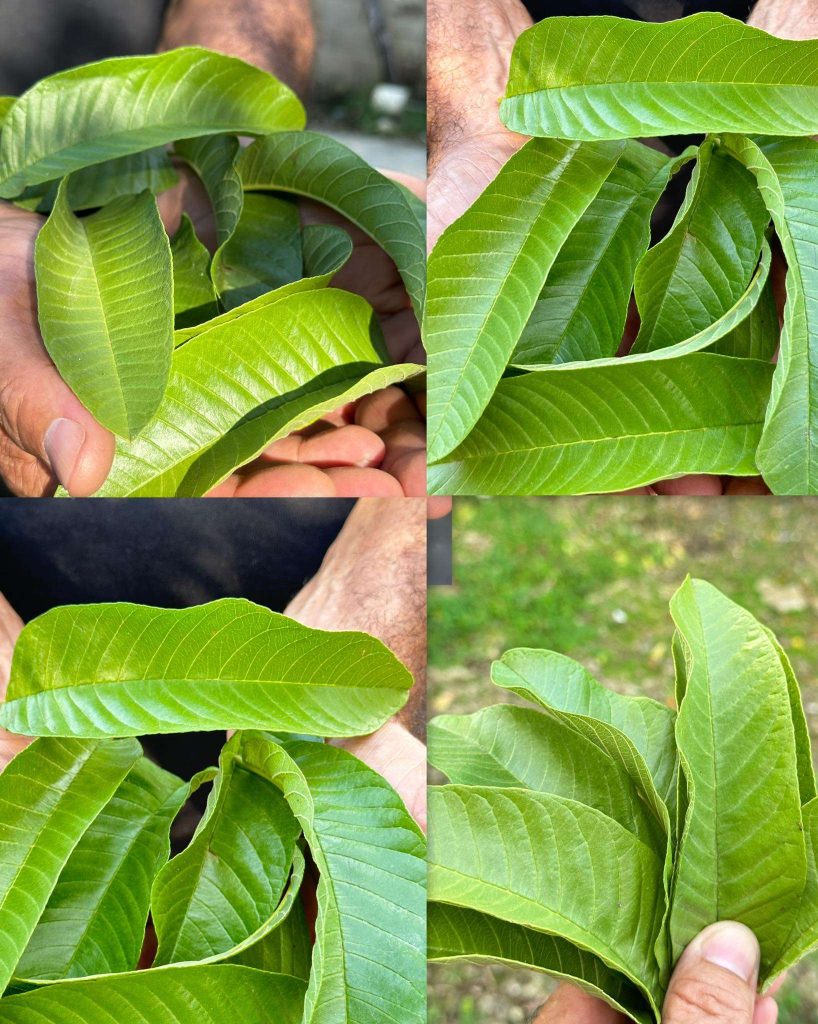
Unlocking Nature's Pharmacy: The Remarkable Benefits of Guava Leaves 🌿
 Espanol
Often overshadowed by its sweet, fragrant fruit, the humble guava leaf is a powerhouse of wellness hiding in plain sight. 🌳 For centuries, traditional medicine systems across the tropics have harnessed its potent properties, and modern science is now catching up, validating what ancient healers knew all along. This article delves deep into the extensive benefits of guava leaves, moving beyond superficial claims to provide you with a comprehensive, practical guide. From stabilizing blood sugar to enhancing skin radiance, we will explore how this readily available natural resource can become a cornerstone of your holistic health routine. Get ready to discover why you should think twice before discarding these verdant treasures.
Espanol
Nutritional Powerhouse: What's Inside the Leaf? 🔬
Guava leaves (Psidium guajava) are loaded with bioactive compounds that contribute to their therapeutic effects. They are exceptionally rich in antioxidants, particularly flavonoids like quercetin, and vitamins such as Vitamin C and Vitamin A. They also contain beneficial compounds like tannins, saponins, and essential oils. This unique combination is responsible for the leaf's anti-inflammatory, antimicrobial, antibacterial, and antidiabetic activities. Unlike the fruit, the leaves are low in sugar and calories, making their benefits accessible without impacting dietary sugar intake.
Top Evidence-Based Health Benefits
Let's explore the key areas where guava leaf preparations, primarily as tea or topical applications, have shown significant promise.
1. Blood Sugar Management 🩸: One of the most celebrated benefits is its positive effect on blood glucose levels. Compounds in the leaf inhibit the absorption of certain types of sugars in the bloodstream, such as maltose and sucrose. Drinking guava leaf tea after meals may help prevent blood sugar spikes. Several studies suggest it can improve insulin resistance and is a valuable complementary practice for individuals managing type 2 diabetes, though it should not replace prescribed medication.
2. Digestive Health & Weight Management 🤢⚖️: The leaves have strong anti-diarrheal and antimicrobial properties. The tannins can reduce symptoms of gastroenteritis (stomach flu) by inhibiting microbial activity. Furthermore, by preventing the rapid conversion of complex carbohydrates into sugar, guava leaf tea can promote a feeling of fullness and support metabolic health, which can aid in weight management efforts.
3. Heart Health Champion ❤️: The synergy of potassium, soluble fiber, and antioxidants benefits cardiovascular health. The leaves may help lower "bad" LDL cholesterol and triglycerides while supporting "good" HDL cholesterol. Their hypotensive (blood pressure-lowering) potential, linked to their potassium content and vasodilating effects, adds to their cardioprotective profile.
4. Skin & Hair Elixir ✨: Applied topically, guava leaf decoctions are a boon for beauty. Their antimicrobial and anti-inflammatory nature makes them excellent for treating acne, reducing redness, and fading dark spots. A cooled tea rinse can soothe sunburn and skin irritation. For hair, it strengthens follicles, combats dandruff, and is often used to prevent hair loss and encourage growth.
5. Immune System & Anti-Cancer Potential 🛡️: The high concentration of Vitamin C and antioxidants boosts the immune system's defenses. Perhaps more intriguing is the emerging research on the leaf's bioactive compounds, like lycopene and quercetin, which have demonstrated anti-proliferative effects on cancer cells in laboratory studies, particularly concerning prostate and gastric cancers. This area requires more human trials but is a promising field of study.
Practical Guide: How to Use Guava Leaves 🍵
To harness these benefits, here are simple, effective methods you can try at home.
Guava Leaf Tea (Infusion): This is the most common method. Rinse 5-10 fresh, organic leaves (or 1 tablespoon of dried leaves). Gently crush them to release oils, then add to a cup of boiling water. Cover and steep for 5-10 minutes. Strain and enjoy. You can drink 1-2 cups daily. For a milder taste, add a dash of honey or lemon. 🍋
Topical Application for Skin: Boil a handful of leaves in a liter of water for 15-20 minutes. Let the decoction cool completely. Use it as a facial toner by applying with a cotton pad, or as a healing skin rinse after washing. It can also be used as a final hair rinse after shampooing. 💆♀️
Chewing Fresh Leaves: For immediate relief from toothache, gum inflammation, or mouth ulcers, you can gently chew on a washed, softened fresh leaf. Its analgesic and antibacterial properties can provide localized relief.
Important Precautions and Final Thoughts ⚠️
While generally safe for most people, it is crucial to practice moderation. If you are pregnant, breastfeeding, have a chronic health condition, or are on medication (especially for diabetes or blood pressure), consult your healthcare provider before making guava leaf tea a regular habit, as it may interact with drugs. Start with small amounts to see how your body reacts.
Conclusion: A Leaf Worth Embracing
The guava leaf stands as a testament to the profound healing intelligence of nature. From its robust nutritional profile to its wide array of practical applications for metabolic, cardiac, dermatological, and digestive health, it offers a holistic, accessible, and cost-effective approach to wellness. We've moved beyond seeing it as mere garden waste to recognizing it as a functional food and a natural remedy of significant value. Incorporating guava leaf tea into your routine is a simple step toward preventive health. So, the next time you see a guava tree, remember that its true gem might not just be hanging from its branches but also fluttering gently in the breeze. 🌱 Why not brew a cup today and experience its benefits firsthand?
Deja una respuesta