Benefits of Guava Leaves
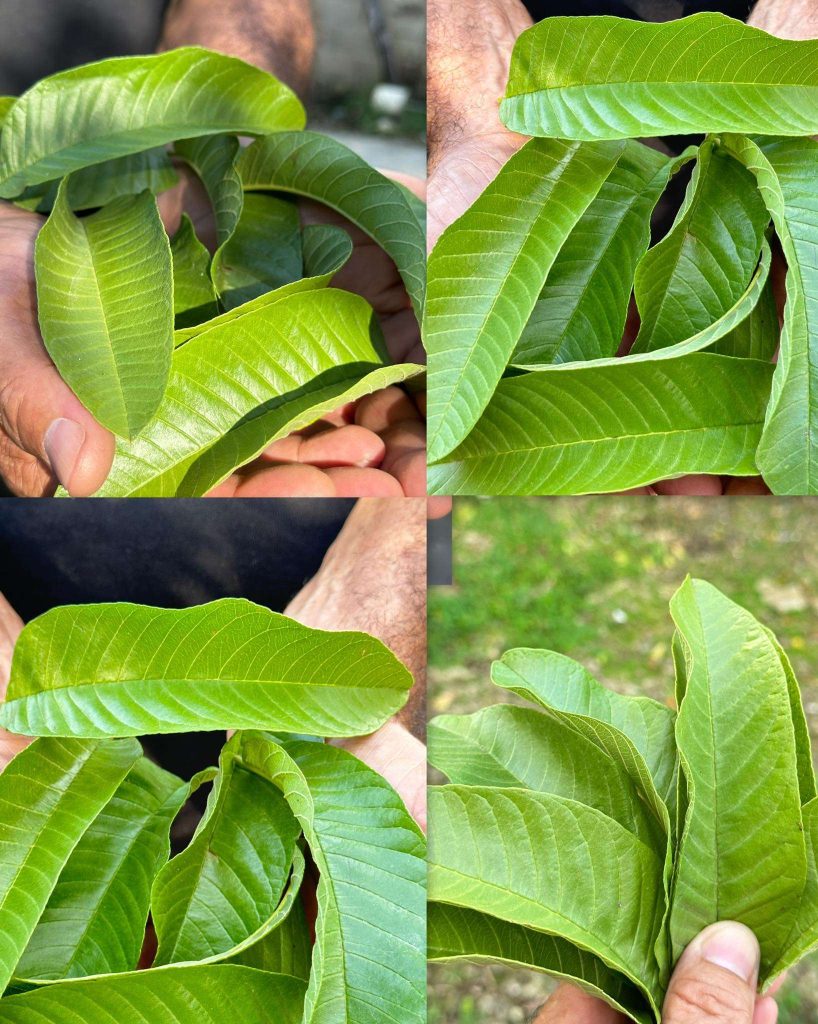
🌟 Unlocking Nature's Pharmacy: The Surprising Benefits of Guava Leaves
 Espanol
Often overshadowed by the sweet, pink-fleshed fruit they accompany, guava leaves are a powerhouse of wellness hiding in plain sight. 🍃 While the guava fruit enjoys global fame, its leaves have been a cornerstone of traditional medicine for centuries, from Ayurveda to folk practices across the tropics. This article delves beyond the superficial to explore the profound, science-backed health benefits of Psidium guajava leaves, offering you practical ways to harness their potential. Get ready to discover why this humble leaf deserves a prime spot in your natural health toolkit.
Espanol
🧪 A Powerhouse of Bioactive Compounds
The efficacy of guava leaves stems from their dense concentration of beneficial phytochemicals. They are remarkably rich in antioxidants, particularly flavonoids like quercetin, and vitamins such as vitamin C. Furthermore, they contain potent anti-inflammatory compounds like tannins, saponins, and carotenoids. 🧬 This unique blend is responsible for their broad-spectrum therapeutic properties, which range from metabolic regulation to antimicrobial action. Understanding this chemical foundation helps explain the diverse benefits we will explore next.
🩺 Top Health Benefits of Guava Leaves
Modern research is beginning to validate what traditional healers have long known. Here are some of the most significant, evidence-supported advantages of incorporating guava leaves into your regimen.
Blood Sugar Regulation: One of the most celebrated benefits is their positive effect on blood glucose levels. Studies suggest that compounds in the leaves inhibit the absorption of certain types of sugars in the intestine, helping to prevent post-meal spikes. Drinking guava leaf tea after meals may be a helpful complementary practice for maintaining healthy blood sugar levels. 📊
Heart Health Champion: Guava leaves contribute to cardiovascular wellness in multiple ways. The antioxidants help protect LDL cholesterol from oxidation—a key step in plaque formation. Their natural anti-inflammatory properties may also support healthy blood pressure, while potassium aids in regulating heart rate and fluid balance. ❤️
Digestive Soothing Agent: If you suffer from occasional digestive discomfort, guava leaf tea can be a gentle remedy. The leaves possess antimicrobial properties that can help address the bacterial causes of diarrhea and gastroenteritis. Their anti-spasmodic effect can calm stomach cramps and bloating, promoting a soothed and settled digestive tract. 🤢➡️😌
Skin and Hair Health: Applied topically, guava leaf extract can work wonders for your skin and scalp. Its antimicrobial and anti-inflammatory qualities make it excellent for treating acne and reducing redness. A scalp rinse made from boiled leaves is traditionally used to combat dandruff and strengthen hair follicles, potentially reducing hair loss and promoting shine. 💆♀️
Weight Management Aid: By helping to block the conversion of complex carbohydrates into sugars, guava leaves can support weight management efforts. This, combined with their lack of calories and potential to stabilize blood sugar (which reduces cravings), makes the tea a smart addition to a balanced diet and exercise plan. ⚖️
🍵 How to Prepare and Use Guava Leaves
To reap these benefits, knowing how to properly prepare guava leaves is key. The most common and effective method is to prepare a simple infusion or tea. Here’s a practical guide:
- Source Fresh or Dried Leaves: If you have access to a guava tree, ensure it hasn't been treated with pesticides. Alternatively, purchase organic dried leaves from a reputable herbal supplier.
- Wash Thoroughly: Gently rinse the leaves (fresh or dried) under cool water to remove any dust or debris.
- Prepare the Decoction: For a more potent tea, slightly crush 4-6 fresh leaves or use 1 tablespoon of dried leaves. Place them in a pot with about 2 cups (500ml) of water. Bring to a boil, then reduce heat and let it simmer for 10-15 minutes. The water will turn a reddish-brown color.
- Strain and Serve: Strain the leaves out and allow the tea to cool slightly. You can enjoy it warm or chilled. For flavor, a teaspoon of raw honey or a slice of lemon can be added, though it's best consumed without sugar to maximize the health benefits. 🍋
Important Note: While generally safe, it is crucial to consult with your healthcare provider before using guava leaf tea regularly if you are pregnant, breastfeeding, on medication (especially for diabetes or blood pressure), or have a scheduled surgery, as it may interact with certain conditions and treatments.
💎 Conclusion: A Simple Leaf with Profound Potential
From supporting metabolic health to enhancing skin radiance, guava leaves offer a remarkable, natural avenue for holistic well-being. 🌿 This exploration reveals that their value extends far beyond a simple garden accessory; they are a versatile, accessible, and potent herbal remedy. By incorporating guava leaf tea into your routine—or using it topically—you are tapping into an ancient wisdom now supported by modern science. Start with a cup of this aromatic tea and experience the multifaceted benefits of this often-overlooked gift from nature. Remember, the journey to health is built on consistent, informed choices, and guava leaves can be a valuable companion on that path.
Deja una respuesta