Benefits of Guava Leaves
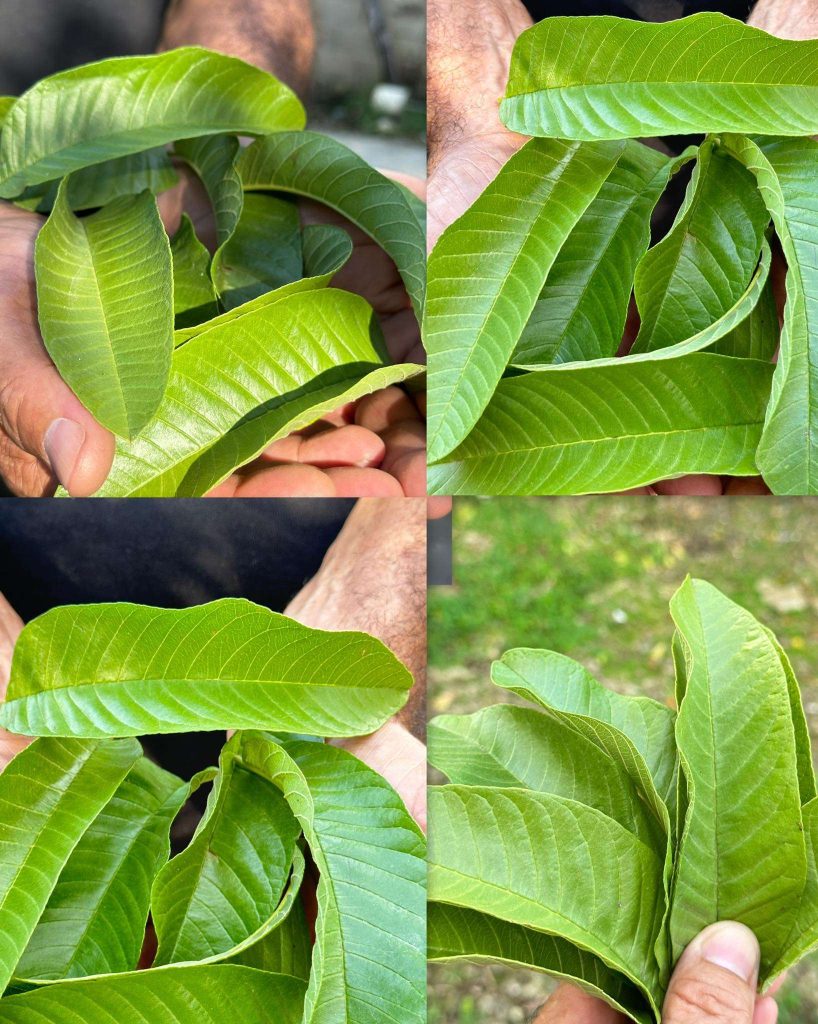
Introduction: The Unsung Hero of Wellness 🌿
 Espanol
When we think of the guava tree, our minds often jump straight to its delicious, vitamin C-packed fruit. However, the true hidden gem of this remarkable plant may very well be its leaves. For centuries, traditional medicine systems across the globe have harnessed the power of guava leaves for their myriad health benefits. From aiding digestion to regulating blood sugar, these humble leaves are a powerhouse of nutrients and bioactive compounds. This article will delve into the science-backed and traditionally celebrated benefits of guava leaves, offering practical ways to incorporate them into your wellness routine. Let's explore why this natural remedy deserves a spot in your health arsenal.
Espanol
Nutritional Powerhouse: What's Inside the Leaf? 🔬
Guava leaves (Psidium guajava) are rich in a variety of potent substances that contribute to their therapeutic effects. They contain powerful antioxidants like quercetin and vitamin C, which combat oxidative stress and inflammation in the body. Furthermore, they are a source of beneficial compounds such as flavonoids, tannins, and essential oils. The presence of these elements makes the leaves not just a folk remedy, but a subject of increasing interest in modern phytotherapy and nutritional science.
Blood Sugar Regulation and Diabetes Support 🩺
One of the most well-researched benefits of guava leaf tea is its potential to help manage blood sugar levels. Studies suggest that compounds in the leaves can inhibit the absorption of certain types of sugars in the bloodstream, such as maltose and sucrose. Drinking guava leaf tea after meals may help prevent sudden spikes in blood glucose. Important note: While promising, this should complement, not replace, medical advice and prescribed treatment for diabetes. Always consult your healthcare provider.
Digestive Health and Gut Comfort 🤢➡️🤗
Guava leaves have long been used to soothe various digestive ailments. Their anti-microbial properties can help combat harmful bacteria like E. coli and Staphylococcus aureus that cause digestive upset. For issues like diarrhea or food poisoning, a strong decoction of guava leaves can provide relief. Moreover, the anti-inflammatory properties may help ease symptoms of gastric ulcers and reduce gut inflammation. A practical tip: Steep 5-6 fresh or dried leaves in hot water for 5-10 minutes and drink the tea to calm an upset stomach.
Heart Health and Cholesterol Management ❤️
Supporting cardiovascular health is another significant advantage. The leaves may help lower "bad" LDL cholesterol and triglycerides, while not adversely affecting "good" HDL cholesterol. This lipid-regulating effect, combined with their antihypertensive potential, contributes to better overall heart health. The high potassium content also aids in maintaining healthy blood pressure levels. Incorporating guava leaf tea as part of a heart-healthy lifestyle could be a simple yet effective step.
Weight Management and Metabolism Boost ⚖️
For those on a weight management journey, guava leaves can be a helpful ally. The tea is naturally calorie-free and rich in catechins, which are known to help boost metabolic rate. By preventing the complex starches in food from being converted into sugars, the leaves can indirectly support weight loss efforts. Replacing sugary beverages with a cup of guava leaf tea is a smart and healthy swap. 🍵
Skin and Hair Health: External Applications ✨
The benefits aren't limited to internal consumption. Crushed guava leaves can be applied topically to treat acne, thanks to their antimicrobial and anti-inflammatory properties. A leaf paste can help reduce the appearance of dark spots and blemishes. For hair care, boiling the leaves into a rinse can strengthen hair follicles, potentially reduce hair loss, and treat dandruff. It’s a versatile, natural addition to your beauty regimen.
How to Use Guava Leaves: Practical Methods 🍃
To reap the benefits, here are the most common preparation methods:
- Tea/Infusion: The simplest method. Wash 5-7 fresh leaves (or 1 tbsp dried), crush them slightly, and steep in a cup of hot water for 5-10 minutes. Strain and enjoy. You can add honey or lemon for taste.
- Decoction: For a stronger extract, boil 10-15 leaves in 1 liter of water for 10-15 minutes. Strain and drink cooled throughout the day.
- Topical Paste: Crush fresh leaves into a fine paste with a little water and apply directly to the affected skin area.
- Supplement Form: Available as capsules or liquid extracts. Ensure you choose a reputable brand and follow dosage instructions.
Always start with a small amount to see how your body reacts, and source leaves from organic, pesticide-free trees if possible.
Precautions and Considerations ⚠️
While generally safe for most people, it's crucial to exercise caution. Pregnant and breastfeeding women should consult a doctor before use. Due to its effect on blood sugar, those on diabetes medication should monitor their levels closely to avoid hypoglycemia. Similarly, individuals scheduled for surgery or with bleeding disorders should be cautious, as the leaves might affect blood sugar and clotting. Moderation is key—excessive consumption is not advisable.
Conclusion: Embracing Nature's Pharmacy 🌱
In summary, guava leaves offer an impressive array of health benefits, from regulating blood sugar and aiding digestion to promoting heart health and enhancing skin beauty. This readily available natural remedy bridges traditional wisdom and modern scientific interest. By incorporating guava leaf tea into your routine or using it topically, you can tap into a simple, cost-effective tool for holistic wellness. Remember, natural remedies work best as part of a balanced lifestyle. We encourage you to explore the potential of guava leaves and consult with a healthcare professional to see how they might benefit your personal health journey. Here's to discovering the power in nature's subtle details! 🍃
Deja una respuesta