Benefits of Guava Leaves
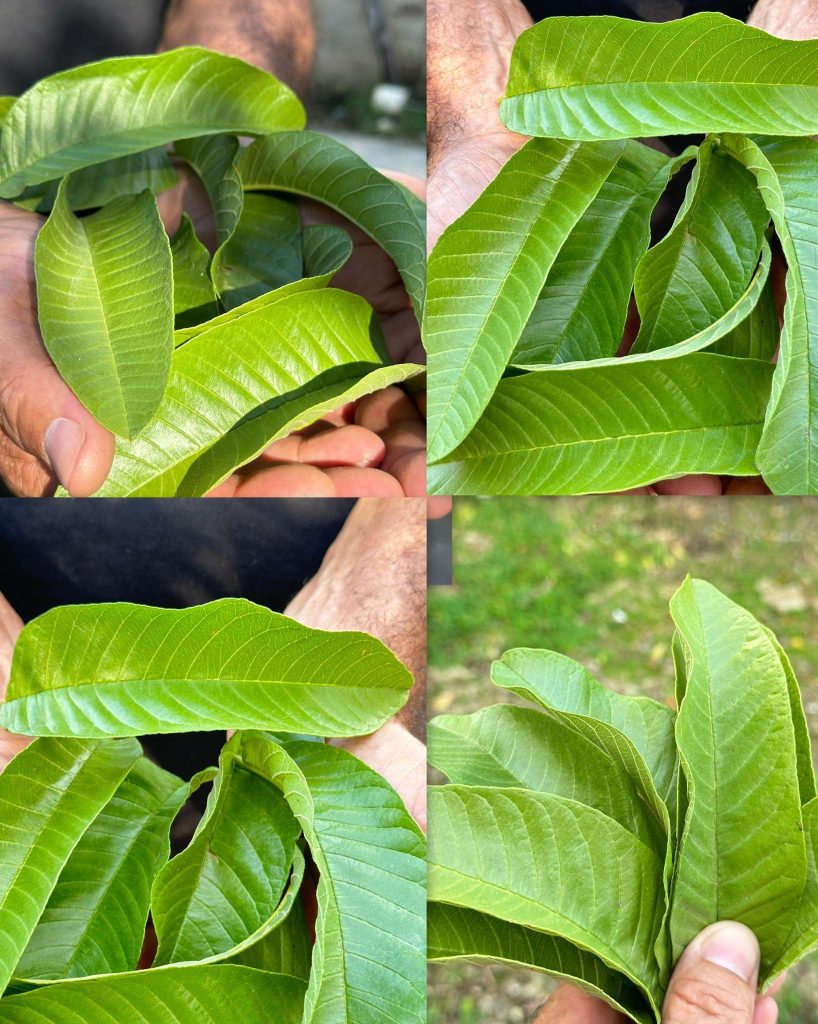
The Humble Powerhouse: Unlocking the Remarkable Benefits of Guava Leaves 🍃
 Espanol
Often overshadowed by its sweet, pink-fleshed fruit, the guava tree (Psidium guajava) holds a secret in its verdant canopy. For centuries, traditional medicine systems across the tropics have revered not just the guava, but its leaves, for their potent medicinal properties. 🌿 Today, modern science is beginning to validate what ancient healers long knew: guava leaves are a powerhouse of bioactive compounds. This article delves beyond the surface to explore the extensive, evidence-backed benefits of guava leaves, offering you practical ways to harness their potential for your health and well-being.
Espanol
A Treasure Trove of Nutrients and Bioactive Compounds ⚕️
Guava leaves are not mere foliage; they are a dense, natural pharmacy. They are exceptionally rich in powerful antioxidants like vitamin C and flavonoids such as quercetin. Furthermore, they contain significant anti-inflammatory and antimicrobial compounds, including various tannins and essential oils. This unique blend contributes to their wide-ranging therapeutic effects, from combating oxidative stress at a cellular level to fighting off harmful pathogens. 🛡️ It's this complex chemistry that forms the foundation for all the benefits listed below.
Comprehensive Health Benefits of Guava Leaf
Integrating guava leaves into your wellness routine can positively impact several key areas of health. Here are the most prominent, well-researched advantages:
1. Blood Sugar Regulation and Diabetes Management 🩸
This is one of the most celebrated benefits. Compounds in guava leaves inhibit certain enzymes that convert carbohydrates into glucose in the bloodstream, potentially reducing blood sugar spikes after meals. Several studies suggest that drinking guava leaf tea may improve insulin resistance and help manage long-term blood sugar (HbA1c) levels, making it a valuable complementary approach for those with prediabetes or type 2 diabetes.
2. Digestive Health and Relief from Discomfort 🤢
Guava leaves have strong antimicrobial and anti-spasmodic properties. They can help inhibit the growth of harmful bacteria like Staphylococcus aureus and E. coli in the gut, which are often responsible for food poisoning and traveler's diarrhea. Additionally, the leaves can soothe intestinal spasms and reduce the production of excess digestive mucus, providing relief from cramps and discomfort.
3. Heart Health and Cholesterol Support ❤️
The antioxidant power of guava leaves extends to your cardiovascular system. Regular consumption may help lower "bad" LDL cholesterol and triglycerides while supporting "good" HDL cholesterol. The leaves also contain potassium and compounds that help relax blood vessels, which can contribute to healthy blood pressure levels, reducing overall strain on the heart.
4. Weight Management Aid ⚖️
Guava leaf tea is a fantastic, nearly calorie-free beverage that can support weight management goals. It prevents complex starches from being converted into sugars, potentially reducing calorie absorption. Furthermore, its mild, earthy flavor can serve as a satisfying alternative to sugary drinks, aiding in hydration and appetite control without adding empty calories.
5. Skin, Hair, and Oral Health ✨
Applied topically or consumed, guava leaves offer beauty benefits. Their antioxidants combat skin aging by neutralizing free radicals, while their anti-inflammatory nature can help reduce acne. A paste made from crushed leaves can be applied to soothe skin irritations. For hair, boiling the leaves into a rinse may strengthen roots and combat dandruff. Chewing on young leaves or using a mouthwash from leaf decoction can freshen breath and fight oral bacteria due to its antimicrobial action.
Practical Guide: How to Use Guava Leaves 🍵
Knowing the benefits is one thing; applying them is another. Here are simple, effective methods to incorporate guava leaves into your life:
- Guava Leaf Tea: The most common method. Rinse 5-10 fresh or dried leaves. Lightly crush them to release oils, then steep in hot water (just below boiling) for 5-10 minutes. Strain and enjoy. You can add honey, lemon, or ginger for flavor. Start with one cup per day to assess tolerance.
- Topical Applications: For skin or hair, create a decoction by boiling a handful of leaves in water for 15-20 minutes. Let it cool, then use it as a facial toner, a soak for minor wounds, or a final hair rinse after shampooing.
- Supplemental Form: Guava leaf extract is available in capsule or tincture form. If choosing this route, always follow the manufacturer's dosage instructions and consult a healthcare professional, especially if you have underlying health conditions or are on medication.
Important Precautions and Considerations ⚠️
While generally safe for most people, it's crucial to approach guava leaves with informed caution. Pregnant and breastfeeding women should avoid medicinal amounts due to a lack of comprehensive safety data. Those with scheduled surgery should stop use at least two weeks prior, as guava leaves may affect blood sugar levels. Most importantly, if you are on medication for diabetes or blood thinners, consult your doctor before use, as the leaves may potentiate the effects of these drugs, leading to hypoglycemia or increased bleeding risk.
Conclusion: Embracing Nature's Green Gift
From supporting metabolic and digestive health to enhancing skin vitality and protecting your heart, guava leaves offer a remarkable, multi-faceted natural remedy. 🍃 This humble leaf stands as a testament to the profound healing wisdom found in nature, now increasingly backed by scientific inquiry. While not a magic bullet or a substitute for professional medical advice, guava leaf tea or extract can be a powerful, supportive element in a holistic health strategy. We encourage you to explore its benefits mindfully, starting with a simple cup of tea, and experience firsthand how this ancient botanical can contribute to your modern wellness journey. Your path to harnessing these benefits begins with a single leaf.
Deja una respuesta