Benefits of Guava Leaves
 Espanol
Espanol
Unlocking Nature's Pharmacy: The Surprising Benefits of Guava Leaves 🍃
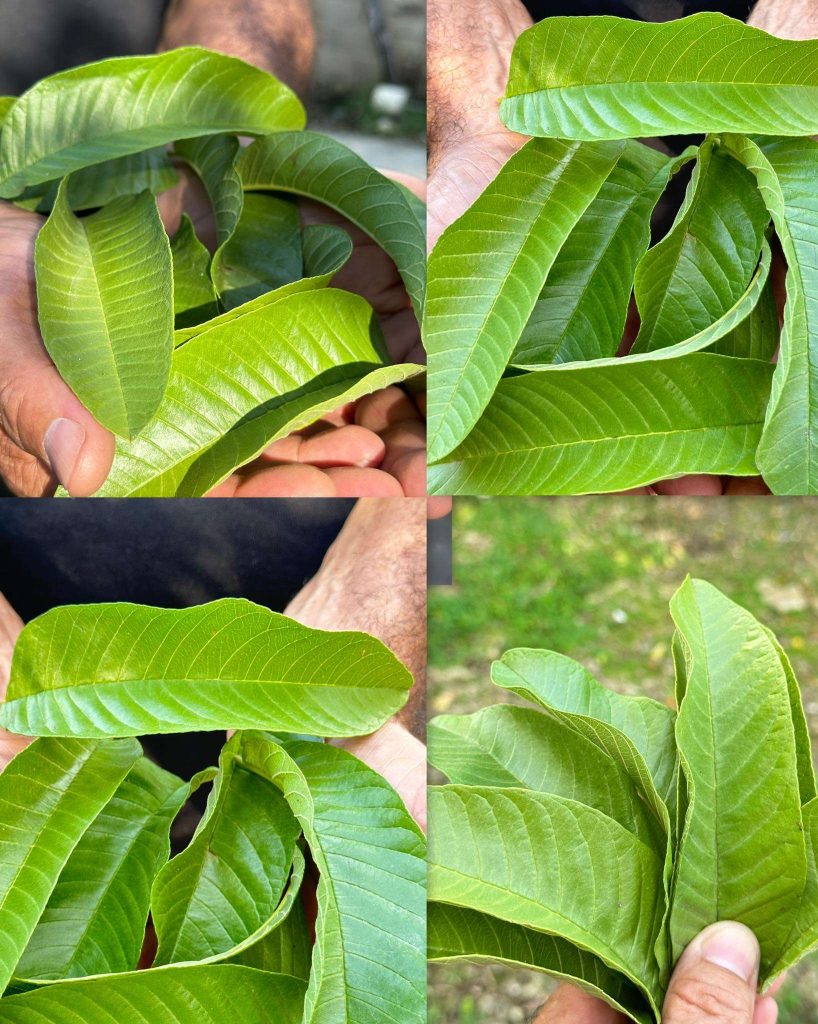
Often overshadowed by its sweet, tangy fruit, the humble guava tree (Psidium guajava) holds a secret in its verdant foliage. While many relish the guava fruit, its leaves have been a cornerstone of traditional medicine across various cultures for centuries. Modern science is now catching up, validating what ancient healers long knew. This article delves deep into the remarkable health and wellness benefits of guava leaves, moving beyond superficial claims to provide you with a comprehensive, practical guide. Discover how this readily available natural resource can become a powerful ally for your health.
More Than Just Foliage: A Nutritional Powerhouse 💊
Guava leaves are packed with a potent blend of bioactive compounds. They are rich in antioxidants like quercetin, flavonoids, and vitamin C, which combat oxidative stress and inflammation in the body. Furthermore, they contain essential oils and compounds with proven antimicrobial and anti-inflammatory properties. This unique phytochemical profile is the foundation for their wide-ranging therapeutic applications, making them far more than simple garden leaves.
Digestive Health and Gut Harmony 🤢➡️🤗
One of the most celebrated uses of guava leaves is for promoting digestive wellness. They possess strong antibacterial and anti-spasmodic properties that can help neutralize harmful gut pathogens and relieve uncomfortable cramping. A warm tea made from guava leaves is a traditional remedy for easing diarrhea, reducing stomach pain, and calming indigestion. The leaves' anti-inflammatory effects can also soothe the lining of the stomach and intestines, offering relief from conditions like gastritis.
Practical Tip: To make a digestive-aid tea, gently simmer 5-6 washed guava leaves in a cup of water for about 10 minutes. Strain, allow it to cool slightly, and drink it warm. You can add a teaspoon of honey for taste if needed.
A Natural Ally in Blood Sugar Management 📉
Emerging research suggests guava leaf tea may be beneficial for individuals managing blood sugar levels. Compounds in the leaves appear to inhibit certain enzymes that convert carbohydrates into glucose in the digestive tract, potentially leading to a slower rise in blood sugar after meals. Some studies also indicate it may improve insulin sensitivity. While it is not a replacement for prescribed medication, it can be a valuable complementary dietary strategy. Always consult with a healthcare professional before using it for this purpose.
Oral Health Champion 🦷
Say goodbye to toothaches and gum woes? Guava leaves have powerful anti-plaque and anti-microbial properties that target oral pathogens. Chewing on fresh, tender leaves has been a traditional method to relieve toothache pain, reduce gum inflammation (gingivitis), and freshen breath. You can also use a cooled guava leaf tea as a mouthwash to harness these benefits, promoting overall oral hygiene and health naturally.
Skin and Hair Elixir ✨
The antioxidant and antimicrobial bounty of guava leaves extends to cosmetic applications. For skin, a leaf paste or wash can help combat acne, reduce blackheads, and soothe irritation thanks to its ability to fight bacteria and inflammation. For hair, a guava leaf rinse is believed to strengthen hair follicles, potentially reduce hair loss, and add a healthy shine. It’s a simple, chemical-free addition to your beauty regimen.
Practical Tip: For a skin toner, boil a handful of leaves in water, let it cool completely, strain, and apply to your face with a cotton pad. Store the remainder in the refrigerator for up to a week.
Supporting Weight Loss and Metabolism ⚖️
Guava leaf tea is often included in weight management discussions. The logic is twofold: first, it prevents complex starches from being converted into sugars, potentially reducing calorie absorption. Second, as a zero-calorie, caffeine-free beverage, it serves as an excellent substitute for sugary drinks, aiding in overall calorie reduction. While not a magic solution, it supports a healthy diet and active lifestyle.
Culinary and Practical Uses 🍽️
Beyond teas and topical applications, young, tender guava leaves can be incorporated into your diet. They can be blended into smoothies (imparting a mild, herbal flavor), used to wrap foods for steaming, or even steeped in oils and vinegars to create infused dressings. This versatility makes it easy to integrate their benefits into your daily life.
Important Considerations and How to Use Safely ⚠️
While generally safe for most people, moderation is key. Pregnant or breastfeeding women should avoid therapeutic use due to limited safety data. Those with existing medical conditions or on medication (especially for diabetes or blood thinning) must consult a doctor first, as guava leaves may interact with drugs. Start with small amounts, such as one cup of tea per day, to see how your body responds. Source leaves from organic, pesticide-free trees whenever possible.
Conclusion: Embracing a Leaf of Good Health 🌿
From aiding digestion and supporting blood sugar balance to enhancing skin and oral care, guava leaves prove to be a remarkably versatile and potent natural remedy. Their benefits, steeped in tradition and increasingly backed by science, offer a compelling case for looking beyond the fruit. By incorporating guava leaf tea or other preparations into your routine wisely, you harness the power of a simple leaf for complex well-being. Remember, natural remedies complement but do not replace professional medical advice. We encourage you to explore this gift from nature and experience its multifaceted benefits firsthand. Your journey to a more natural approach to health could start with a single leaf.
Deja una respuesta