Benefits of Guava Leaves
 Espanol
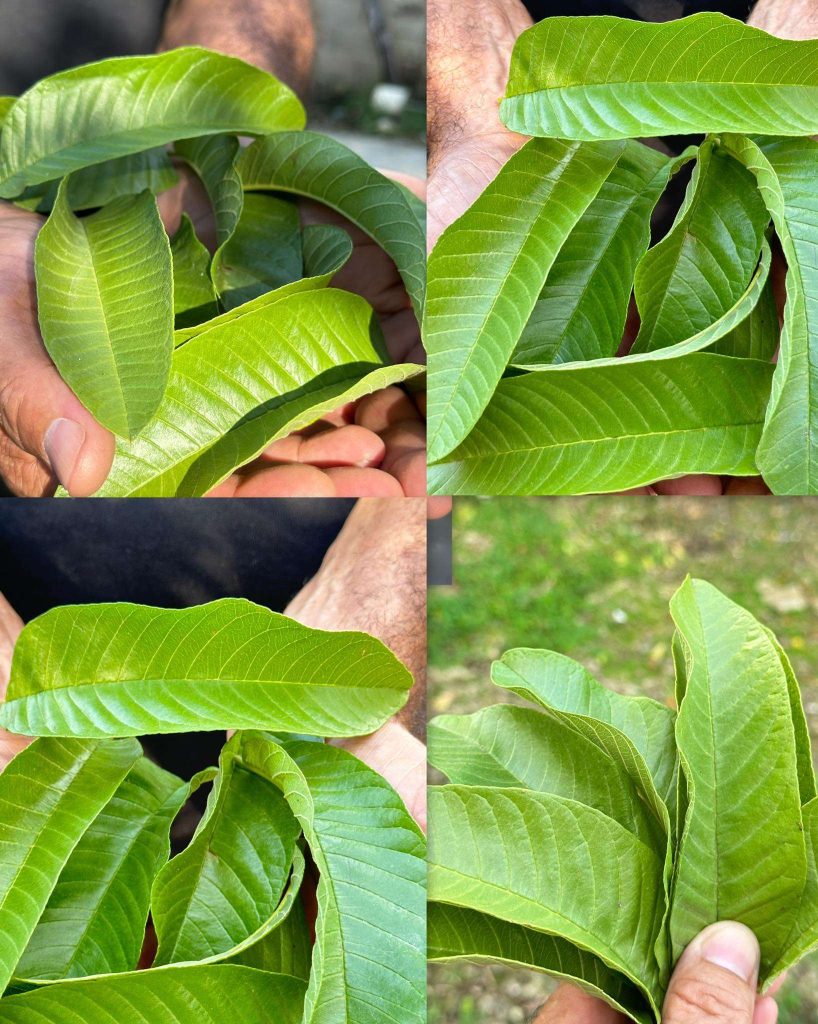
🌿 Welcome to a deep dive into the incredible world of guava leaves! Often overshadowed by the delicious fruit they produce, these humble leaves are a powerhouse of nutrients and medicinal properties. For centuries, they have been a staple in traditional medicine across various cultures. This article will explore the science-backed benefits of guava leaves, offering you practical ways to harness their potential for improved health and wellness. Let's unlock the secrets of this natural remedy together! 🌿
Espanol
Beyond the Fruit: An Introduction to Guava Leaf Power 🍃
While the guava fruit is celebrated for its taste and vitamin C content, its leaves are quietly brimming with compounds like flavonoids, tannins, and essential oils. These bioactive substances are responsible for the leaves' antioxidant, anti-inflammatory, antimicrobial, and anti-diabetic properties. From brewing a simple tea to creating topical applications, guava leaves offer a versatile and accessible approach to natural health. This article aims to move beyond superficial knowledge, providing a comprehensive guide to their substantial benefits.
Digestive Health: Soothing Your Gut from Within 🤢➡️🤗
One of the most renowned uses of guava leaves is for digestive issues. They possess strong antimicrobial properties that can help combat harmful gut bacteria like E. coli and Staphylococcus aureus, which are often responsible for food poisoning and diarrhea. The anti-inflammatory compounds help soothe the lining of the stomach and intestines.
Practical Tip: For acute diarrhea or stomach upset, boil a handful of washed guava leaves in a liter of water for 10 minutes. Strain and drink this tea warm. Its astringent qualities can provide rapid relief. For daily digestive support, consider a cup of mild guava leaf tea after meals.
Blood Sugar Regulation: A Natural Ally for Diabetics 📉
Research has shown promising results regarding guava leaves and blood sugar management. Compounds in the leaves inhibit certain enzymes that convert carbohydrates into glucose in the bloodstream, leading to a more gradual rise in blood sugar levels after meals. Some studies suggest they may also improve insulin resistance.
Crucial Note: While guava leaf tea can be an excellent complementary therapy, it is not a replacement for prescribed diabetes medication. Always consult with your healthcare provider before incorporating it into your management plan. Monitoring your blood sugar levels closely when starting any new supplement is essential.
Heart Health: Supporting Your Cardiovascular System ❤️
The benefits extend to your heart. The leaves' high potassium and soluble fiber content contribute to cardiovascular wellness. Potassium helps regulate blood pressure by counteracting the effects of sodium and easing tension in blood vessel walls. Furthermore, the antioxidants help reduce the oxidation of LDL ("bad") cholesterol, a key factor in preventing plaque formation in arteries.
Practical Tip: Replacing sugary beverages with unsweetened guava leaf tea is a heart-healthy habit. Its mild, herbal flavor can be enjoyed hot or cold, making it an easy swap.
Skin and Hair: Your External Beauty Elixir ✨
Guava leaves are a boon for skin and hair care, thanks to their antiseptic and antioxidant-rich profile. For skin, they can help combat acne, reduce the appearance of wrinkles, and soothe inflammation. For hair, they are traditionally used to strengthen roots, prevent hair loss, and promote growth.
How to Use:
- For Acne: Crush fresh leaves into a paste with a little water and apply as a spot treatment. Rinse after 10-15 minutes.
- For a Toner: Steep leaves in hot water, let the infusion cool, and use it to wipe your face. This can tighten pores and refresh skin.
- For Hair Rinse: Boil a large handful of leaves in water for 20 minutes. After cooling and straining, use the liquid as a final rinse after shampooing to invigorate the scalp.
Immunity and Oral Health: Double-Duty Defense 🛡️😁
The high vitamin C content in guava leaves, though less than in the fruit, still contributes to immune system support. Their antimicrobial prowess is particularly effective for oral health. Chewing on young, tender guava leaves or using a mouthwash made from their decoction can help:
- Reduce plaque formation
- Soothe gum inflammation and bleeding (gingivitis)
- Freshen breath naturally by fighting odor-causing bacteria
It's like having a natural, first-line defense for your mouth!
How to Incorporate Guava Leaves into Your Routine: A Practical Guide 🍵
To reap the benefits, here are the most common methods of use:
1. Tea/Infusion: The most popular method. Use 5-10 dried or fresh leaves per cup of boiling water. Steep for 5-10 minutes, strain, and enjoy. You can add honey or lemon for taste, but avoid sugar to maximize health benefits.
2. Topical Application: As described for skin and hair, use crushed leaf paste or a strong infusion.
3. Extract/Supplement: Commercially available capsules or tinctures offer a concentrated dose. Always choose reputable brands and follow dosage instructions carefully.
Start Slow: If you are new to guava leaves, begin with one cup of tea per day to see how your body responds.
Conclusion: Embracing Nature's Pharmacy 🌿
From aiding digestion and regulating blood sugar to enhancing skin beauty and protecting your heart, guava leaves are a remarkably versatile natural remedy. Their wide range of scientifically observed benefits, combined with centuries of traditional use, makes them a valuable addition to a holistic health approach. While they are generally safe for most people, moderation is key, and consulting a doctor for specific health conditions is always the wisest course of action.
We encourage you to explore the potential of guava leaves. Brew a cup of tea, try a simple skin treatment, and experience firsthand what this ancient, leafy secret can do for your modern well-being. Here's to your health, naturally! 💚
Deja una respuesta