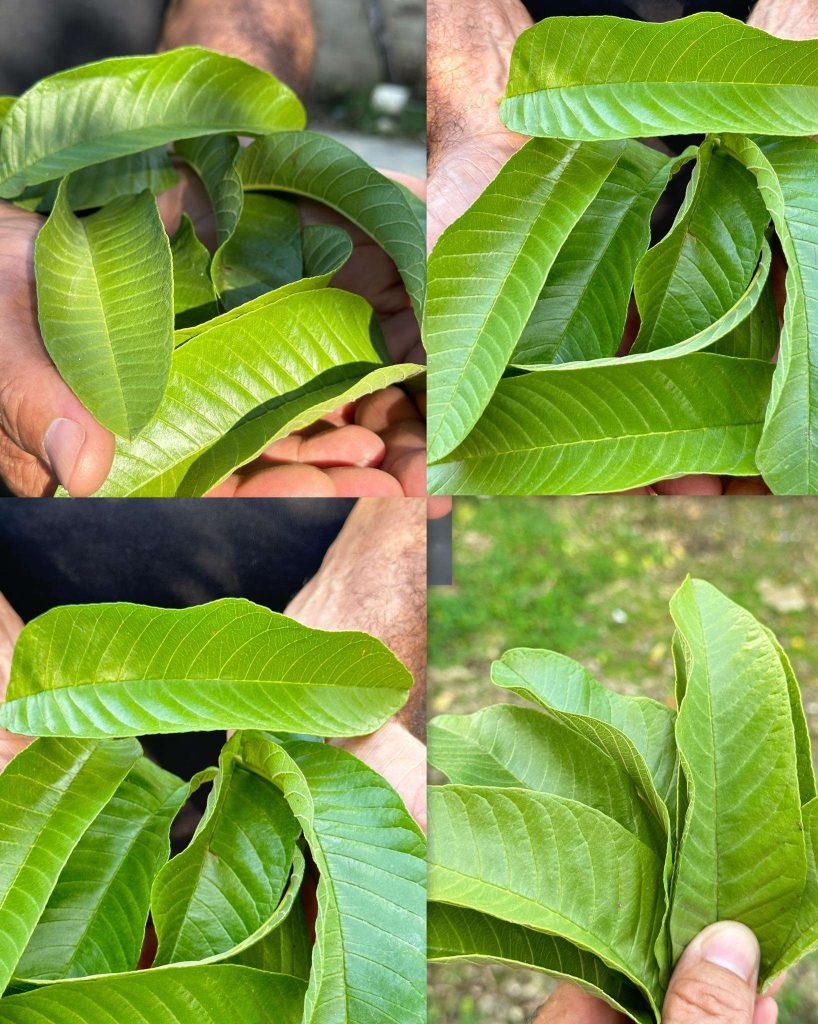
Benefits of Guava Leaves
 Espanol
Espanol
Espanol
Often overshadowed by its sweet, pink-fleshed fruit, the humble guava leaf is a powerhouse of wellness hiding in plain sight 🌿. For centuries, traditional medicine systems have harnessed its potent properties, and modern science is now catching up, validating what many cultures have long known. This article delves beyond the surface to explore the remarkable, evidence-backed benefits of guava leaves, transforming them from garden debris into a cornerstone of natural health.
Beyond the Fruit: An Introduction to Guava Leaf Power
While the guava fruit rightfully enjoys popularity for its vitamin C content, the leaves of the Psidium guajava tree are where truly concentrated medicinal compounds reside. Packed with antioxidants like quercetin, flavonoids, and essential oils, these leaves offer a broad spectrum of therapeutic benefits. From regulating blood sugar to enhancing skin radiance, incorporating guava leaf tea or extract into your routine can be a simple yet profoundly effective step toward holistic well-being. Let's unpack the science and practical applications.
1. A Natural Ally for Blood Sugar Management 🩺
One of the most celebrated benefits of guava leaves is their potential to help manage diabetes and prediabetes. Research suggests that compounds in the leaves inhibit the absorption of certain types of sugars in the blood, such as maltose and sucrose. More importantly, they may improve insulin sensitivity and lower blood glucose levels without causing a spike.
Practical Tip: Drinking a cup of guava leaf tea after meals may help moderate post-meal blood sugar spikes. For this purpose, it's crucial to consult with your healthcare provider, especially if you are on diabetes medication, to avoid hypoglycemia.
2. Soothing Support for Digestive Health 🤢➡️🤗
Guava leaves possess strong anti-inflammatory and antimicrobial properties that make them excellent for gut health. They can help alleviate symptoms of diarrhea and dysentery by inhibiting harmful bacteria like Staphylococcus aureus. Furthermore, the leaves have been traditionally used to treat gastric ulcers, as they reduce gastric acid secretion and protect the stomach lining.
Practical Tip: For an upset stomach or mild food poisoning, try brewing a strong cup of guava leaf tea. The astringent tannins can provide soothing relief and promote a healthier gut environment.
3. Promoting Heart Health and Cholesterol Balance ❤️
Heart health is multifaceted, and guava leaves contribute in several ways. The high levels of potassium and soluble fiber help regulate blood pressure. Studies also indicate that regular consumption of guava leaf tea can lead to a decrease in "bad" LDL cholesterol and triglycerides, while maintaining "good" HDL cholesterol, thanks to its hypolipidemic effects.
4. A Boon for Skin, Hair, and Anti-Aging ✨
The antioxidant battle against free radicals is key to slowing aging, and guava leaves are formidable warriors. Their high antioxidant content fights oxidative stress, which damages skin cells and leads to wrinkles. The leaves also have anti-inflammatory and antimicrobial benefits that can combat acne.
Practical Tip: For a simple skin tonic, boil a handful of leaves, let the water cool, and use it as a facial rinse. For hair, a guava leaf rinse can strengthen roots, reduce hair fall, and combat dandruff.
5. Aiding Weight Loss Efforts ⚖️
Guava leaves can be a supportive tool in a weight management plan. They help prevent complex carbohydrates from being converted into sugars, which the body then stores as fat. By promoting better carbohydrate metabolism and having minimal calories, guava leaf tea can be a beneficial addition to a balanced diet and exercise regimen.
6. Potent Anti-Inflammatory and Pain-Relief Properties 😌
The anti-inflammatory compounds in guava leaves, such as quercetin, can help reduce pain and inflammation. This makes guava leaf extract or tea a popular natural remedy for relieving toothaches, gum inflammation, and sore throats. Gargling with warm guava leaf tea can provide direct soothing relief for throat and oral discomfort.
How to Incorporate Guava Leaves into Your Routine: A Practical Guide
To harness these benefits, here are the most common and effective methods:
- Guava Leaf Tea: The simplest method. Wash 5-7 fresh leaves (or use 1 tablespoon of dried leaves). Crush them slightly and steep in a cup of hot water for 5-10 minutes. Strain and enjoy. You can add honey or lemon for taste.
- Topical Application: Use cooled guava leaf tea as a skin toner, hair rinse, or to cleanse minor wounds.
- Extract and Supplements: Concentrated extracts and capsules are available. Always choose reputable brands and follow dosage instructions, consulting a professional first.
Important Considerations and Conclusion
While guava leaves are generally safe for most people, moderation is key. Pregnant and breastfeeding women should avoid therapeutic doses due to a lack of comprehensive safety data. As mentioned, individuals with diabetes or those on medication should consult a doctor before use. Start with small amounts to see how your body reacts.
In conclusion, the guava leaf is far more than just tree foliage; it is a versatile, natural remedy with a robust scientific backing 🌟. From providing metabolic support and digestive comfort to enhancing outer beauty and inner balance, its applications are vast. By integrating guava leaf tea into your daily wellness ritual or using it for targeted relief, you are tapping into an ancient, yet powerfully relevant, source of health. Embrace this natural gift, but do so wisely—let it complement, not replace, professional medical advice and a healthy lifestyle. Your journey to holistic health might just start with a single leaf. 🍃
Deja una respuesta