Benefits of Guava Leaves
 Espanol
Espanol
Unveiling Nature's Hidden Gem: The Remarkable Benefits of Guava Leaves 🌿
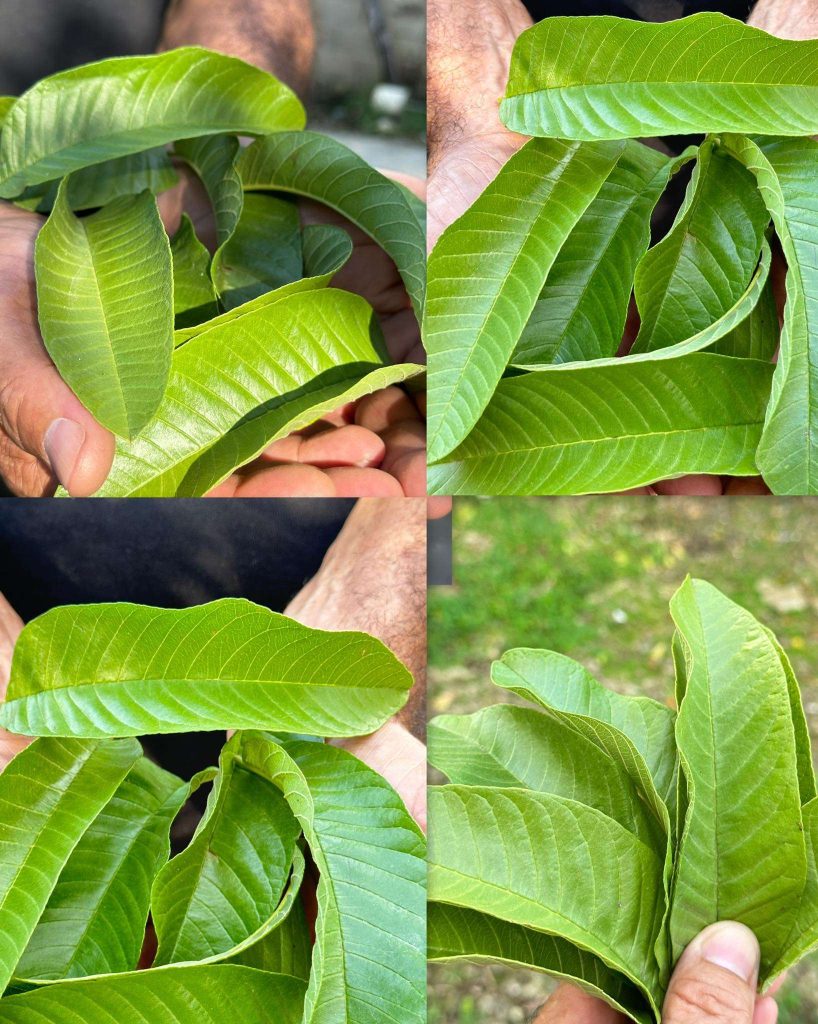
Often overshadowed by the sweet, tangy fruit they accompany, guava leaves are a powerhouse of nutrition and traditional medicine, waiting to be discovered. While the guava fruit enjoys global fame, its leaves hold a treasure trove of health benefits that have been cherished in various cultures for centuries. This article delves deep into the science and tradition behind guava leaves, moving beyond superficial claims to provide you with a comprehensive, practical guide. We'll explore their potent compounds, tangible health advantages, and simple ways to incorporate them into your wellness routine. Prepare to be amazed by how this humble leaf can contribute significantly to your health.
A Deep Dive into Nutritional Power: What Makes Guava Leaves Special? 🔬
Guava leaves (Psidium guajava) are rich in powerful bioactive compounds, including flavonoids (like quercetin), carotenoids, polyphenols, and essential oils. They possess significant levels of vitamin C and vitamin A, alongside minerals like potassium and magnesium. However, their true strength lies in their high concentration of antioxidants and compounds with strong anti-inflammatory, antimicrobial, and anti-diabetic properties. This unique phytochemical profile is the foundation for the wide array of health benefits they offer, supporting everything from metabolic health to radiant skin.
Top Health Benefits Backed by Tradition and Science 💚
The applications of guava leaves are impressively broad. Here, we break down the most significant, evidence-supported advantages.
1. Blood Sugar Regulation: One of the most celebrated benefits is their positive effect on blood glucose levels. Compounds in the leaves inhibit the absorption of certain types of sugars in the intestine and improve insulin sensitivity. For those managing blood sugar, incorporating guava leaf tea can be a supportive, natural practice. 🩺
2. Digestive Health Champion: Guava leaves are excellent for your gut. Their anti-microbial properties can help combat harmful bacteria like Salmonella and E. coli, potentially reducing foodborne illness risk. Furthermore, they have been used traditionally to alleviate diarrhea, stomach aches, and even symptoms of dysentery due to their antispasmodic and anti-inflammatory effects on the digestive tract. 🤢➡️😊
3. Heart Health Supporter: The leaves may contribute to cardiovascular wellness by helping to manage hypertension and cholesterol. The antioxidants help prevent the oxidation of LDL ("bad") cholesterol, a key step in the formation of artery plaque. The potassium content also aids in regulating blood pressure. ❤️
4. Skin and Hair Elixir: Applied topically or consumed, guava leaves fight acne due to their antimicrobial and anti-inflammatory traits. They can accelerate wound healing and reduce the appearance of wrinkles. For hair, a leaf decoction is believed to strengthen roots, combat dandruff, and promote healthy growth. ✨
5. Immune System and Anti-Cancer Potential: The high antioxidant load, particularly vitamin C and quercetin, bolsters the immune system's defenses. Excitingly, preliminary research suggests that guava leaf extract may have anti-proliferative effects on certain cancer cells, though more human studies are needed. This highlights their role as a potent functional food. 🛡️
6. Weight Management Aid: By preventing the conversion of complex carbohydrates into sugars, guava leaves can complement a weight management plan. This action, combined with their minimal calorie content when consumed as tea, makes them a smart addition to a balanced diet. ⚖️
How to Harness the Benefits: Practical Methods and Recipes 🍵
Knowing the benefits is one thing; applying them is another. Here are simple, effective ways to use guava leaves.
Guava Leaf Tea (The Most Common Method):
- Rinse 5-10 fresh, organic guava leaves (or use 1 tablespoon of dried leaves).
- Boil them in 1-2 cups of water for about 10-15 minutes.
- Strain the liquid and allow it to cool slightly.
- Enjoy it warm or cold. You can add a touch of honey or lemon for flavor. Consuming 1-2 cups daily is a typical recommendation.
Topical Applications: For skin issues, boil a handful of leaves, let the water cool, and use it as a facial rinse or apply directly to affected areas with a cotton pad. For hair health, use the cooled tea as a final rinse after shampooing. 🧴
Culinary Use: Young, tender guava leaves can be blended into smoothies (use sparingly due to a robust flavor) or used to wrap and infuse flavor into certain dishes.
Important Considerations and Precautions ⚠️
While generally safe for most people, it's crucial to practice mindfulness. Always start with small amounts to see how your body reacts. If you are pregnant, breastfeeding, have scheduled surgery, or are on medication (especially for diabetes or blood thinners), consult your healthcare provider before making guava leaves a regular part of your regimen, as they can potentiate the effects of diabetes drugs. Source your leaves from clean, pesticide-free environments.
Conclusion: Embracing a Holistic Wellness Partner 🌟
In summary, guava leaves are far more than just tree foliage; they are a versatile, accessible, and potent natural remedy. From regulating blood sugar and aiding digestion to promoting radiant skin and supporting heart health, their benefits are both profound and practical. By integrating guava leaf tea into your daily routine or using it topically, you are tapping into an ancient wisdom supported by growing modern science. We encourage you to explore this natural wonder—start with a simple cup of tea and observe the benefits for yourself. Remember, the journey to wellness is often complemented by nature's simplest offerings. 🍃
Deja una respuesta