Benefits of Guava Leaves
 Espanol
Espanol
Beyond the Fruit: Unlocking the Remarkable Health Benefits of Guava Leaves 🌿
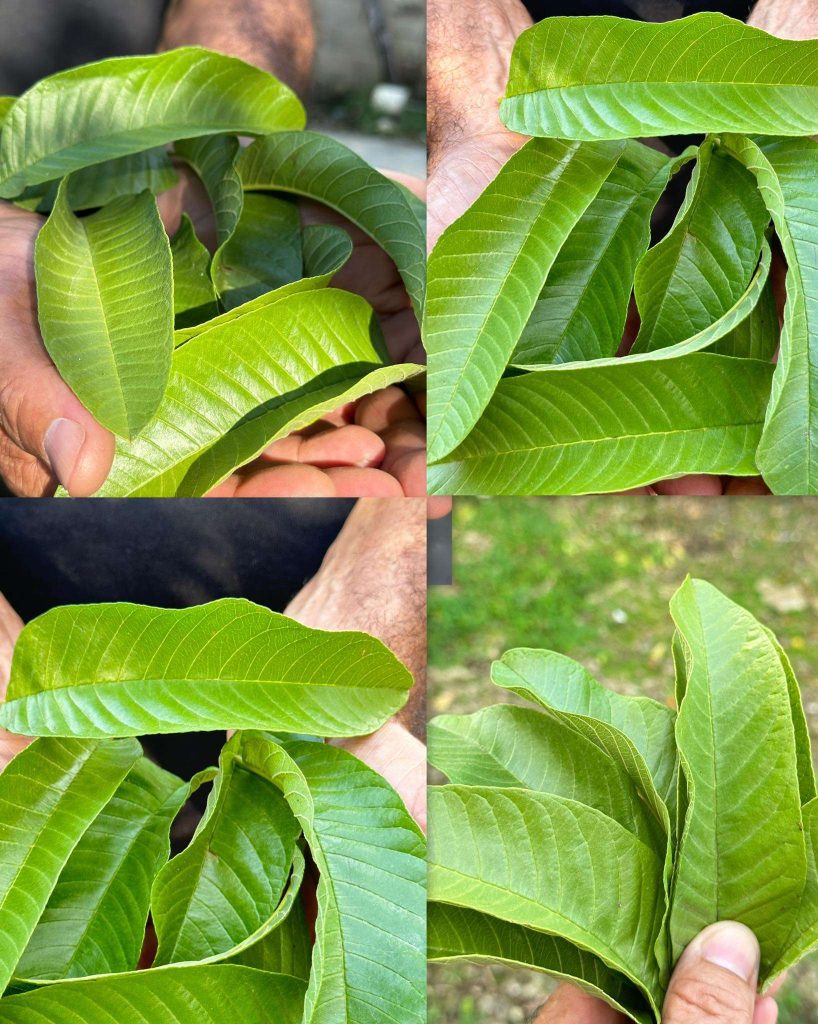
When we think of the guava tree (Psidium guajava), our minds immediately jump to its delicious and vitamin C-rich fruit. However, a treasure trove of wellness is hidden in its often-overlooked foliage. For centuries, guava leaves have been a staple in traditional medicine across various cultures, and modern science is now catching up, validating many of their uses. This article delves into the impressive health benefits of guava leaves, offering practical ways to incorporate them into your wellness routine and empowering you with knowledge beyond the common cold remedies. Let's explore the potent properties of these green wonders.
Nutritional Powerhouse: What's Inside the Leaf? 🔬
Guava leaves are packed with a symphony of bioactive compounds that contribute to their therapeutic effects. They are rich in powerful antioxidants like quercetin and flavonoids, which combat oxidative stress and inflammation in the body. They also contain essential oils, tannins, and saponins, along with beneficial vitamins and minerals. This unique composition is responsible for the broad spectrum of health benefits, from aiding digestion to supporting blood sugar management. It's a true example of nature's pharmacy growing right in your backyard or local market.
A Digestive System's Best Friend 💚
One of the most celebrated uses of guava leaves is for digestive health. Their anti-inflammatory and antimicrobial properties make them excellent for soothing gastrointestinal discomfort.
- Relief from Diarrhea and Dysentery: The leaves' antimicrobial compounds help inhibit harmful bacteria like Staphylococcus aureus and E. coli, which are common culprits behind digestive upset. A tea made from boiled leaves can provide quick relief.
- Reducing Stomach Acidity and Ulcers: The extracts can help decrease gastric acid secretion, protecting the stomach lining and promoting healing. Consider drinking a cup of mild guava leaf tea after heavy meals to aid digestion and prevent heartburn.
- Anti-spasmodic Effects: They can help ease painful abdominal cramps and bloating, offering a natural calming effect for an irritable gut.
Blood Sugar Regulation and Metabolic Support 📊
Emerging research highlights guava leaf tea as a promising ally for metabolic health. Compounds in the leaves inhibit certain enzymes that convert carbohydrates into glucose in the bloodstream, leading to a more gradual sugar absorption. For those managing blood sugar levels, incorporating unsweetened guava leaf tea can be a supportive dietary habit. While not a substitute for prescribed medication, it's a complementary natural strategy worth discussing with your healthcare provider. Regular consumption may contribute to improved insulin sensitivity and lower HbA1c levels over time.
Boosting Heart Health and Circulation ❤️
The benefits extend to your cardiovascular system. The high potassium and soluble fiber content in the leaves help regulate blood pressure by counteracting the effects of sodium and improving lipid profiles. The potent antioxidants prevent the oxidation of LDL ("bad") cholesterol, a key step in the formation of arterial plaque. This one-two punch of lowering blood pressure and protecting cholesterol particles makes guava leaf extract a heart-healthy supplement. Pairing a balanced diet with guava leaf tea can be a proactive step for long-term cardiovascular wellness.
Skin, Hair, and Oral Health Glow-Up ✨
The anti-inflammatory and antimicrobial magic of guava leaves works wonders externally too.
- For Skin: A topical wash or paste made from crushed leaves can combat acne, reduce redness, and speed up the healing of wounds and minor infections due to its antibacterial properties.
- For Hair: Boiling the leaves into a rinse can strengthen hair follicles, combat dandruff, and promote healthier scalp conditions, potentially reducing hair loss.
- For Oral Care: Chewing on clean, tender guava leaves or using a mouthwash made from their decoction can relieve toothache, soothe inflamed gums, and fight bad breath-causing bacteria. It's a traditional and effective oral hygiene aid.
Practical Ways to Use Guava Leaves 🍵
Harnessing these benefits is simple. The most common method is preparing a tea.
How to Make Guava Leaf Tea: Wash 5-10 fresh leaves (or use 1 tablespoon of dried leaves). Gently crush them to release the oils, then add to a cup of boiling water. Let it steep, covered, for 5-10 minutes. Strain and enjoy. You can drink it warm or cold. For topical use, create a more concentrated decoction by boiling a larger handful of leaves for 15-20 minutes, then let it cool before applying.
Important Note: Always source leaves from organic, pesticide-free trees. As with any herbal remedy, start with small amounts to assess tolerance and consult a doctor if you are pregnant, nursing, on medication (especially for diabetes or blood pressure), or have a known medical condition.
Conclusion: A Leaf Worth Embracing 🌟
From aiding digestion and supporting metabolic health to enhancing skin and hair, guava leaves prove that sometimes the greatest gifts are not in the fruit but in the foliage. Their wide range of scientifically-backed benefits, coupled with their accessibility and ease of use, makes them a valuable addition to a holistic approach to health. While they are powerful, remember they are part of a larger picture that includes a balanced diet and healthy lifestyle. We encourage you to explore the potential of guava leaves—brew a cup of tea, try a skin tonic, and experience this ancient, natural remedy for yourself. Your journey to discovering nature's hidden supports starts with a single leaf.
Deja una respuesta