Benefits of Guava Leaves
 Espanol
Espanol
Unlocking Nature's Pharmacy: The Remarkable Benefits of Guava Leaves 🍃
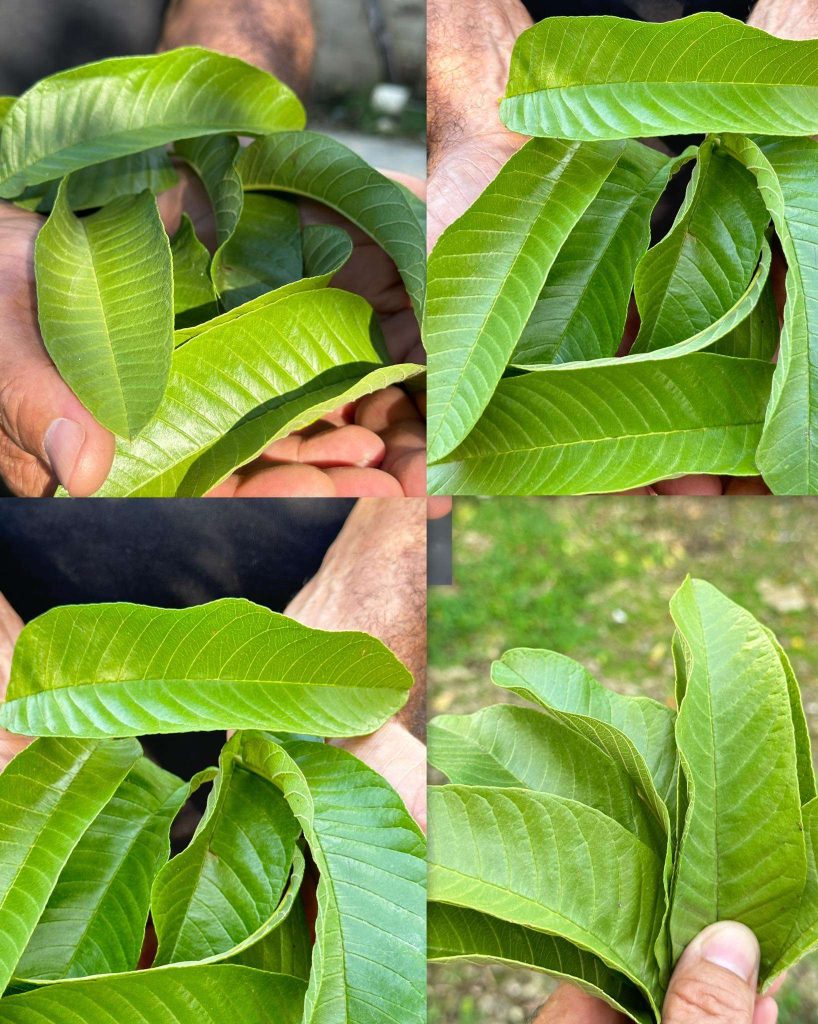
Often overshadowed by its deliciously sweet fruit, the humble guava tree (Psidium guajava) hides a powerhouse of wellness in its verdant foliage. While you might enjoy the guava fruit for a tropical treat, it's time to turn your attention to its leaves, a traditional remedy now validated by modern science. This article delves deep into the extensive health benefits of guava leaves, offering you a practical guide to harnessing their potential for improved well-being. From metabolic health to radiant skin, discover how this accessible natural resource can become a valuable addition to your daily routine.
Nutritional Powerhouse: What's Inside the Leaf? 🔬
Guava leaves are a dense repository of bioactive compounds. They are exceptionally rich in potent antioxidants like quercetin, flavonoids, and carotenoids, which combat oxidative stress and cellular damage. Furthermore, they contain significant anti-inflammatory agents, essential vitamins (notably Vitamin C and B vitamins), and minerals such as iron, magnesium, and potassium. Most notably, they possess compounds with proven anti-diabetic and antimicrobial properties, making them a multi-faceted tool for health management. This unique phytochemical profile is the foundation for their wide-ranging therapeutic applications.
Top Health Benefits Explored
Let's explore the specific, evidence-backed advantages of incorporating guava leaves into your wellness regimen.
📈 Blood Sugar Regulation & Diabetes Management
One of the most celebrated benefits of guava leaves is their positive impact on blood glucose levels. Studies suggest that compounds in the leaves inhibit the absorption of certain types of sugars in the bloodstream, such as maltose and sucrose. Drinking guava leaf tea after meals may help prevent sharp spikes in blood sugar. For individuals managing type 2 diabetes or insulin resistance, this natural adjunct, under a doctor's guidance, can be a supportive part of a comprehensive management plan.
❤️ Heart Health and Cholesterol Support
Supporting cardiovascular health is another crucial benefit. The leaves may help lower "bad" LDL cholesterol and triglycerides while supporting "good" HDL cholesterol levels. Their high potassium content contributes to healthy blood pressure regulation, and their antioxidant properties help protect the heart from oxidative damage. This trifecta of actions makes guava leaf tea a heart-friendly beverage worth considering.
🤧 Digestive Wellness and Anti-Diarrheal Aid
Traditionally used to settle upset stomachs, guava leaves offer potent digestive benefits. Their antimicrobial properties can help combat harmful gut bacteria like Salmonella and E. coli, making them an effective natural remedy for diarrhea and food poisoning. Furthermore, the anti-inflammatory compounds can soothe symptoms of gastritis and reduce excessive stomach acid production. For a queasy stomach, a warm cup of guava leaf tea can provide gentle, natural relief. 🫖
🦷 Oral Health Champion
Move over mouthwash! Guava leaves possess strong antibacterial and anti-plaque qualities. Chewing on clean, tender leaves or using a mouth rinse made from a cooled leaf decoction can alleviate toothaches, heal mouth ulcers, and combat gum inflammation (gingivitis). This practice promotes overall oral hygiene by targeting the bacteria responsible for bad breath and decay.
🌟 Skin and Hair Elixir
The benefits extend to cosmetic and dermatological uses. Applied topically, a guava leaf paste or rinse can treat acne due to its antibacterial and anti-inflammatory effects. The antioxidants help slow skin aging by fighting free radicals. For hair, a leaf decoction used as a final rinse can strengthen hair follicles, reduce dandruff, and promote a healthy scalp, potentially reducing hair fall and encouraging growth.
💪 Weight Management Ally
Guava leaves can complement weight management efforts. By helping to regulate blood sugar and block the conversion of complex carbohydrates into sugars, they may reduce cravings and promote a feeling of satiety. Replacing sugary drinks with zero-calorie guava leaf tea is a smart, healthy hydration choice that supports metabolic health.
Practical Guide: How to Use Guava Leaves at Home
Harnessing these benefits is simple and economical. Here are the most common methods:
Guava Leaf Tea (Infusion): This is the most popular method. Wash 5-10 fresh leaves (or use 1 tablespoon of dried leaves). Gently crush them to release their oils and steep in a cup of hot water for 5-10 minutes. Strain and enjoy. You can drink 1-3 cups daily. For best results, consume it after main meals to aid digestion and blood sugar control.
Topical Applications: For skin issues, grind fresh leaves into a paste with a little water and apply to affected areas. For a hair rinse, boil a handful of leaves in a liter of water for 20 minutes, cool, strain, and use after shampooing.
Essential Precautions: While generally safe, pregnant and breastfeeding women should consult a doctor before use. Those on medication, especially for diabetes or blood pressure, must seek medical advice due to potential interactions. Always start with small amounts to assess tolerance.
Conclusion: A Leaf Worth Embracing 🌿
In summary, guava leaves are far more than just tree foliage; they are a versatile, natural remedy with profound benefits for metabolic, digestive, cardiovascular, and dermatological health. Their power lies in a rich blend of antioxidants, anti-inflammatory, and antimicrobial compounds. By integrating guava leaf tea into your diet or using it in topical applications, you tap into an ancient, yet scientifically supported, tradition of natural healing. We encourage you to explore this readily available resource. Remember, for chronic conditions, it should complement, not replace, professional medical advice and treatment. Embrace the guava leaf—a simple, yet potent, gift from nature for a healthier, more vibrant life.
Deja una respuesta