Benefits of Guava Leaves
 Espanol
Espanol
🌿 Unlocking Nature's Pharmacy: The Remarkable Benefits of Guava Leaves
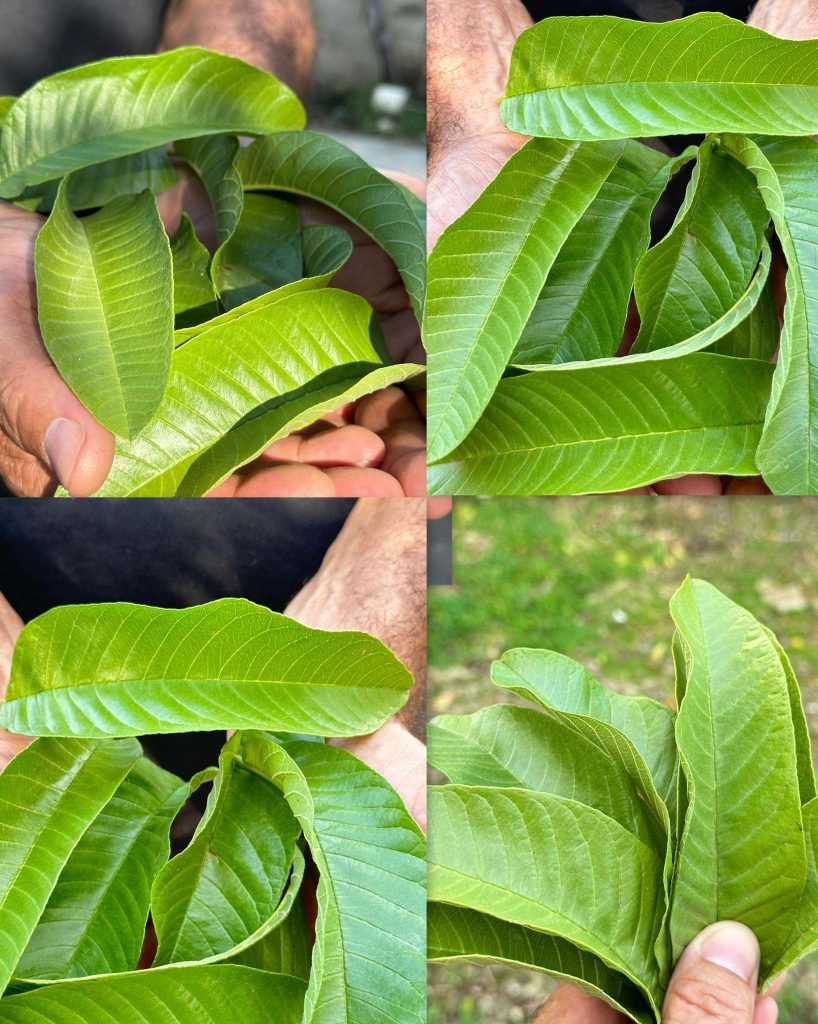
Often overshadowed by the sweet, tangy fruit they produce, guava leaves are a treasure trove of health-promoting compounds waiting to be discovered. 🍃 While the guava fruit enjoys global fame, its leaves have been a cornerstone of traditional medicine for centuries, particularly in tropical regions. This article delves deep into the science and practical applications behind guava leaves, moving beyond common knowledge to explore how this humble leaf can be a powerful ally for your digestive health, blood sugar management, skin vitality, and overall wellness. Let's uncover the practical ways to integrate this natural remedy into your daily routine.
✨ A Powerhouse of Nutrients and Antioxidants
Guava leaves are packed with a unique blend of bioactive substances, including flavonoids (like quercetin), tannins, and essential oils. These compounds are responsible for the leaves' potent antioxidant and anti-inflammatory properties. Antioxidants combat oxidative stress, which is linked to chronic diseases and aging. By regularly consuming guava leaf tea, you provide your body with tools to neutralize free radicals, potentially reducing cellular damage and boosting your immune system's resilience. 🛡️ This foundational benefit supports all the other health advantages these leaves offer.
🤝 Your Digestive System's Best Friend
If you suffer from occasional digestive discomfort, guava leaves may offer a natural solution. Their antimicrobial and anti-inflammatory qualities can help manage various gastrointestinal issues. For diarrhea and food poisoning, a strong guava leaf tea can inhibit harmful bacteria like Staphylococcus aureus and soothe the intestinal lining. Furthermore, the leaves contain compounds that may help reduce the production of excess stomach acid, offering relief from heartburn and symptoms of gastritis. A cup of warm tea after a heavy meal can promote smoother digestion and comfort. 😌
📊 Supporting Healthy Blood Sugar Levels
Emerging research points to guava leaf tea as a promising adjunct for blood sugar regulation. Studies suggest that compounds in the leaves can inhibit certain enzymes that convert carbohydrates into glucose in the bloodstream, leading to a more gradual sugar absorption. Drinking guava leaf tea may help prevent sharp spikes in blood sugar after meals. While not a replacement for prescribed medication, it can be a valuable component of a holistic dietary approach for those monitoring their glucose levels. Always consult with your healthcare provider before making significant changes. 🩺
🧴 Enhancing Skin Health and Radiance
Your skin can reap significant benefits from both internal consumption and topical application of guava leaves. The antioxidants fight signs of aging by protecting skin cells, while the anti-inflammatory properties help calm conditions like acne and redness. For a simple DIY treatment, boil a handful of leaves, let the water cool, and use it as a facial toner or rinse. The tannins can also help tighten skin texture. For acne, creating a paste from crushed leaves and applying it to affected areas can reduce swelling and bacteria. This makes guava leaves a cost-effective, natural addition to your skincare regimen. ✨
💆♂️ Promoting Hair Strength and Scalp Health
Hair loss and a weak scalp are common concerns that guava leaves can address. Rich in nutrients and antioxidants, they can help strengthen hair follicles from the root and prevent breakage. Regularly rinsing your hair with cooled guava leaf tea can reduce dandruff and soothe an itchy scalp due to its antifungal and anti-inflammatory effects. This natural rinse can add shine, reduce frizz, and create a healthier environment for hair growth, making it an excellent alternative to chemical-laden products.
🫀 Contributing to Heart Health and Cholesterol Management
The benefits of guava leaves extend to your cardiovascular system. The high potassium content helps regulate blood pressure by counteracting the effects of sodium and easing tension in blood vessel walls. More notably, some animal studies indicate that long-term consumption of guava leaf extract can help lower "bad" LDL cholesterol and triglycerides while raising "good" HDL cholesterol. This lipid-regulating effect, combined with improved blood flow, supports long-term heart health. Incorporating the tea as part of a balanced diet and active lifestyle can be a proactive step for your heart. ❤️
🍵 How to Use Guava Leaves: Practical Tips
To harness these benefits, knowing how to prepare and use guava leaves is key. The most common method is making an herbal tea or infusion.
- For Tea: Wash 5-10 fresh, organic leaves (or use 1 tablespoon of dried leaves). Gently crush them to release the oils, then add to a cup of boiling water. Cover and steep for 8-10 minutes. Strain and enjoy. You can add honey or lemon for taste. 🍯
- For Topical Use: Boil a larger handful of leaves in a liter of water for 15-20 minutes. Let it cool completely before using it as a skin toner, hair rinse, or adding it to your bath.
- Important Note: While generally safe, start with small amounts to see how your body reacts. Pregnant or breastfeeding women and individuals on medication (especially for diabetes or blood thinning) should consult a doctor first.
🎯 Conclusion: A Simple Leaf with Profound Benefits
From aiding digestion and managing blood sugar to rejuvenating skin and strengthening hair, guava leaves prove that sometimes the most powerful remedies are found in nature's simplest packages. 🌍 This versatile leaf offers a holistic, accessible approach to enhancing various aspects of your well-being. By incorporating guava leaf tea into your wellness routine or using it in topical applications, you're tapping into centuries of traditional wisdom backed by growing scientific interest. We encourage you to explore this natural ally—start with a daily cup of tea and observe the positive changes it can bring to your health journey. Your path to natural wellness might just be a leaf away.
Deja una respuesta