Benefits of Guava Leaves
 Espanol
Espanol
Unlocking Nature's Pharmacy: An Introduction to Guava Leaves
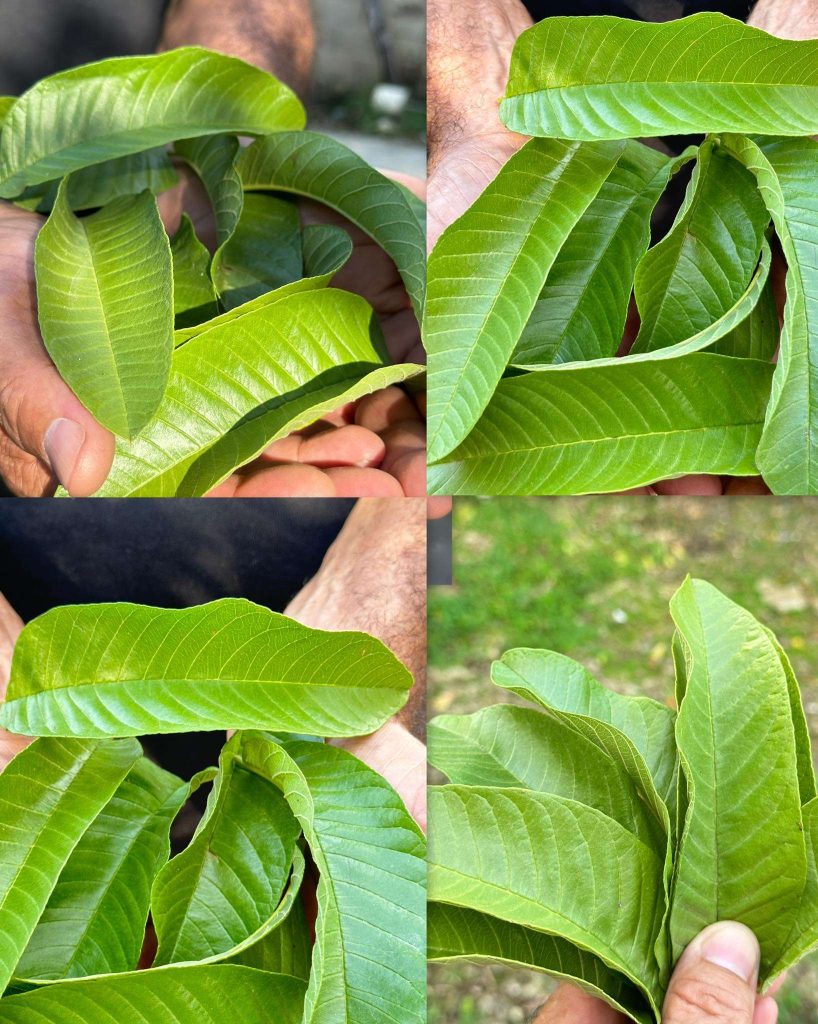
Often overshadowed by its delicious fruit, the humble guava leaf is a powerhouse of wellness hiding in plain sight. 🌳 For centuries, traditional medicine systems across the globe have harnessed the potent properties of Psidium guajava leaves. Today, modern science is beginning to validate what herbalists have long known: these unassuming leaves are packed with antioxidants, anti-inflammatory compounds, and essential nutrients. This article delves deep into the remarkable benefits of guava leaves, moving beyond superficial claims to provide you with practical, evidence-backed insights you can integrate into your daily health routine. Let's explore how this readily available natural resource can contribute significantly to your well-being. ✨
Nutritional Powerhouse: What's Inside the Leaf? 🔬
To understand the benefits, we must first look at the composition. Guava leaves are rich in bioactive compounds such as flavonoids (like quercetin), carotenoids, and polyphenols. They are an excellent source of vitamin C and also contain important minerals like potassium and magnesium. Furthermore, they possess potent antimicrobial and anti-inflammatory agents that form the basis for most of their therapeutic applications. This unique blend of nutrients works synergistically, making the leaf more effective than the sum of its parts.
Top Health Benefits and Practical Applications 🌟
The applications of guava leaves are surprisingly diverse, supporting health from digestion to skin.
1. Digestive Health and Blood Sugar Support 🩸
Guava leaf tea is renowned for aiding digestive issues. The leaves contain compounds that may help manage diarrhea and dysentery by inhibiting harmful bacterial growth. More notably, several studies suggest that guava leaf extract can help lower blood sugar levels and improve insulin resistance. Drinking guava leaf tea after meals may help moderate the absorption of sucrose and maltose, contributing to more stable glucose levels—a crucial tip for those managing pre-diabetes or metabolic health.
2. Heart Health and Cholesterol Management ❤️
The high levels of antioxidants and potassium in guava leaves are beneficial for cardiovascular health. Regular consumption of guava leaf tea may help lower "bad" LDL cholesterol and triglycerides while supporting healthy blood pressure levels. The vasodilating effect and anti-inflammatory properties help protect blood vessels, promoting overall circulatory efficiency. Integrating a cup of guava leaf tea daily can be a simple, supportive habit for heart health.
3. Skin, Hair, and Anti-Aging Properties 💆♀️
The antimicrobial and anti-inflammatory qualities make guava leaves excellent for topical use. A cooled guava leaf tea rinse can combat acne, reduce skin redness, and slow down the appearance of wrinkles due to its antioxidant action. For hair, it's traditionally used to strengthen follicles, combat dandruff, and promote growth. Creating a simple homemade scalp tonic from steeped leaves is a cost-effective beauty secret worth trying.
4. Immune Boosting and Oral Health 🦷
The high vitamin C content and antimicrobial properties provide a dual attack on pathogens. Chewing on tender guava leaves (or using a mouthwash made from them) can relieve toothache, heal mouth ulcers, and combat gum inflammation. It acts as a natural breath freshener and plaque inhibitor. For a systemic immune boost, the tea helps the body fend off common infections, especially during seasonal changes.
How to Use Guava Leaves: A Practical Guide 🍵
To reap the benefits, knowing how to prepare and use the leaves is key. You can use fresh, green leaves or dried ones.
For Guava Leaf Tea:
- Wash 5-10 fresh leaves thoroughly (or use 1 tablespoon of dried leaves).
- Boil them in 1 liter of water for about 10 minutes.
- Strain the liquid and allow it to cool slightly.
- Drink warm or at room temperature. You can add a hint of honey or lemon for taste, but it's best consumed plain for maximum effect.
- Start with one cup per day to assess tolerance.
For Topical Applications: Create a more concentrated decoction by boiling a larger handful of leaves in less water. Use the cooled liquid as a facial toner, hair rinse, or skin compress for irritation and minor wounds.
Important Considerations and Precautions ⚠️
While generally safe for most people, it's crucial to practice caution. Always consult with your healthcare provider before starting any new herbal regimen, especially if you are pregnant, breastfeeding, have existing health conditions, or are on medication (particularly for diabetes or blood pressure, as guava leaves can potentiate their effects). Sourcing is also important—ensure leaves are organic and free from pesticides. Moderation is key; excessive consumption may lead to digestive discomfort in some individuals.
Conclusion: Embracing a Leaf of Life
In summary, the benefits of guava leaves are extensive and backed by both tradition and growing scientific interest. From acting as a guardian for your metabolic and heart health to serving as a natural remedy for skin and hair concerns, this versatile leaf offers a holistic approach to wellness. 🌿 By incorporating guava leaf tea into your routine or using it topically, you are tapping into an ancient, accessible form of natural healing. We encourage you to explore its potential mindfully and consult a professional to personalize its use. Embrace the power of nature's simple solutions for a healthier, more vibrant life. ✨
Deja una respuesta