Benefits of Guava Leaves
 Espanol
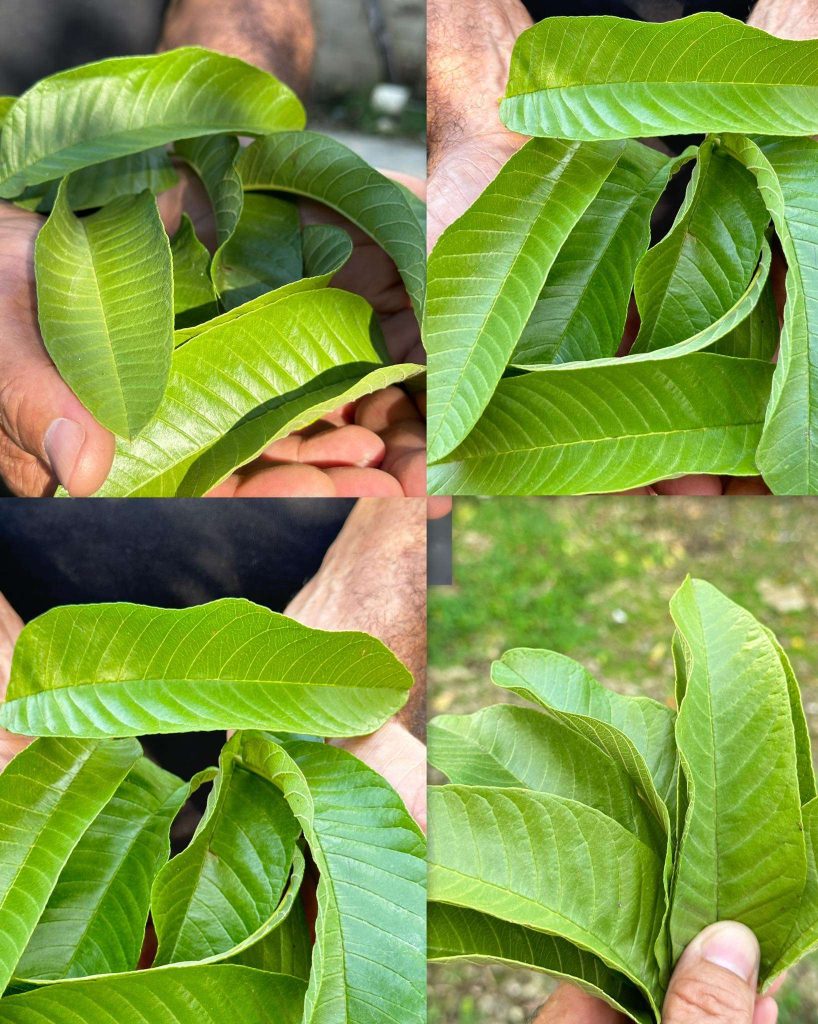
Welcome to a deep dive into the unsung hero of the tropical pharmacopeia: the guava leaf 🍃. Often overshadowed by the delicious fruit it nurtures, guava leaves are a powerhouse of nutrients and bioactive compounds with profound health benefits. This article will guide you through the science-backed advantages of incorporating guava leaves into your wellness routine, offering practical tips and clear explanations. Let's explore how this humble leaf can be a game-changer for your health.
Espanol
Beyond the Fruit: An Introduction to Guava Leaf Power
While the guava fruit is celebrated for its taste and vitamin C content, its leaves have been used for centuries in traditional medicine across Asia, Africa, and South America. Modern science is now catching up, validating many of these ancient uses. Packed with antioxidants like quercetin, flavonoids, and essential oils, guava leaves offer anti-inflammatory, antimicrobial, and therapeutic properties that can address a wide range of health concerns, from metabolic issues to skin care 🌿.
Digestive Health: A Soothing Solution for Your Gut
Guava leaves are renowned for their positive impact on the digestive system. They possess strong antibacterial properties that can help combat bad bacteria like Staphylococcus aureus and E. coli, often responsible for food poisoning and digestive discomfort. More importantly, guava leaf tea is exceptionally effective in managing diarrhea and dysentery by inhibiting microbial growth and reducing intestinal inflammation. For a quick remedy, simply boil a handful of leaves in water for 10 minutes, strain, and drink the warm infusion on an empty stomach. This can also help reduce abdominal pain and bloating 🤰.
Blood Sugar Regulation: A Natural Aid for Metabolic Wellness
One of the most significant benefits supported by research is guava leaf's ability to help regulate blood sugar levels. The leaves inhibit certain enzymes that convert carbohydrates into glucose in the bloodstream, potentially preventing blood sugar spikes after meals. Several studies suggest that drinking guava leaf tea may improve insulin resistance and lower blood sugar levels in people with type 2 diabetes. While not a replacement for prescribed medication, it can be a valuable complementary natural therapy. Consult with your healthcare provider about integrating the tea into your management plan 🩺.
Heart Health and Cholesterol Support
Supporting your cardiovascular system is another key benefit. The high levels of potassium and soluble fiber in guava leaves contribute to heart health. Potassium helps regulate blood pressure by counteracting the effects of sodium and easing tension in blood vessel walls. Meanwhile, the leaf extract has been shown to help lower "bad" LDL cholesterol and triglycerides, without adversely affecting "good" HDL cholesterol. This dual action helps reduce the risk of atherosclerosis, heart attack, and stroke ❤️.
Immunity Boost and Anti-Cancer Potential
The robust antioxidant profile of guava leaves, particularly vitamin C and quercetin, plays a crucial role in strengthening the immune system. These compounds neutralize harmful free radicals, reducing oxidative stress—a key driver of chronic diseases and aging. Exciting preliminary research indicates that guava leaf extract may have anti-proliferative effects on certain cancer cells, including those of the prostate, stomach, and oral cancers. The leaves appear to induce apoptosis (programmed cell death) in these malignant cells, though more human studies are needed 🔬.
Beauty and Skincare: From Acne to Anti-Aging
Your skin can reap remarkable benefits from guava leaves, both internally and topically. Their anti-inflammatory and antimicrobial properties make them ideal for combating acne-causing bacteria. For a simple face wash, boil leaves, let the water cool, and use it to rinse your face. The antioxidants, especially vitamin C, stimulate collagen production, improving skin elasticity and reducing the appearance of fine lines and wrinkles. Applying a paste of crushed leaves can also soothe skin irritation, insect bites, and sunburn ✨.
Hair Growth and Scalp Health
Struggling with hair loss or a dry, itchy scalp? Guava leaves might be the answer. Rich in antioxidants and nutrients that nourish hair follicles, they can help prevent breakage and strengthen hair from the root. A scalp rinse made from boiled guava leaves can combat dandruff (often caused by fungal infection) due to its antifungal properties. Regular use may promote thicker, healthier hair growth and add a natural shine to your locks 💇♀️.
Practical Ways to Use Guava Leaves
Incorporating guava leaves into your life is simple and versatile. Here are the most common methods:
- Tea/Infusion: The most popular method. Steep 5-10 fresh or dried leaves in hot water for 5-10 minutes. Add honey or lemon to taste.
- Topical Paste: Crush fresh leaves into a paste and apply directly to the skin or scalp for targeted treatment.
- Extract or Supplement: Commercially available capsules or tinctures offer a concentrated dose. Always choose reputable brands.
- Culinary Use: Young, tender leaves can be used in salads or as a wrap for steaming foods, imparting a subtle, herbal flavor.
Remember, start with small amounts to see how your body reacts, and if you are pregnant, nursing, or on medication, seek medical advice first.
Conclusion: Embracing Nature's Pharmacy
From stabilizing blood sugar and aiding digestion to enhancing skin radiance and protecting your heart, guava leaves offer a remarkable spectrum of health benefits backed by both tradition and emerging science 🌱. This versatile leaf provides a natural, accessible way to support overall wellness. While it is a powerful ally, it should complement a balanced diet and healthy lifestyle, not replace necessary medical treatments. Why not brew your first cup of guava leaf tea today? Explore this gift from nature and experience its multifaceted benefits for yourself. Your journey to a healthier you might just be a leaf away! 🍵
Deja una respuesta