Benefits of Guava Leaves
 Espanol
Espanol
🌟 Beyond the Fruit: Unveiling the Remarkable Benefits of Guava Leaves 🌿
Often overshadowed by its sweet and tangy fruit, the humble guava leaf is a powerhouse of wellness hiding in plain sight. 🍃 For centuries, traditional medicine systems across the tropics have harnessed its potent properties, and modern science is now catching up, validating many of these age-old uses. This article delves deep into the impressive health and practical benefits of guava leaves, moving beyond superficial claims to provide you with a comprehensive, actionable guide. Whether you're seeking natural remedies or simply curious about plant-based nutrition, you'll discover why these leaves deserve a spot in your wellness toolkit.
🧪 A Treasure Trove of Bioactive Compounds
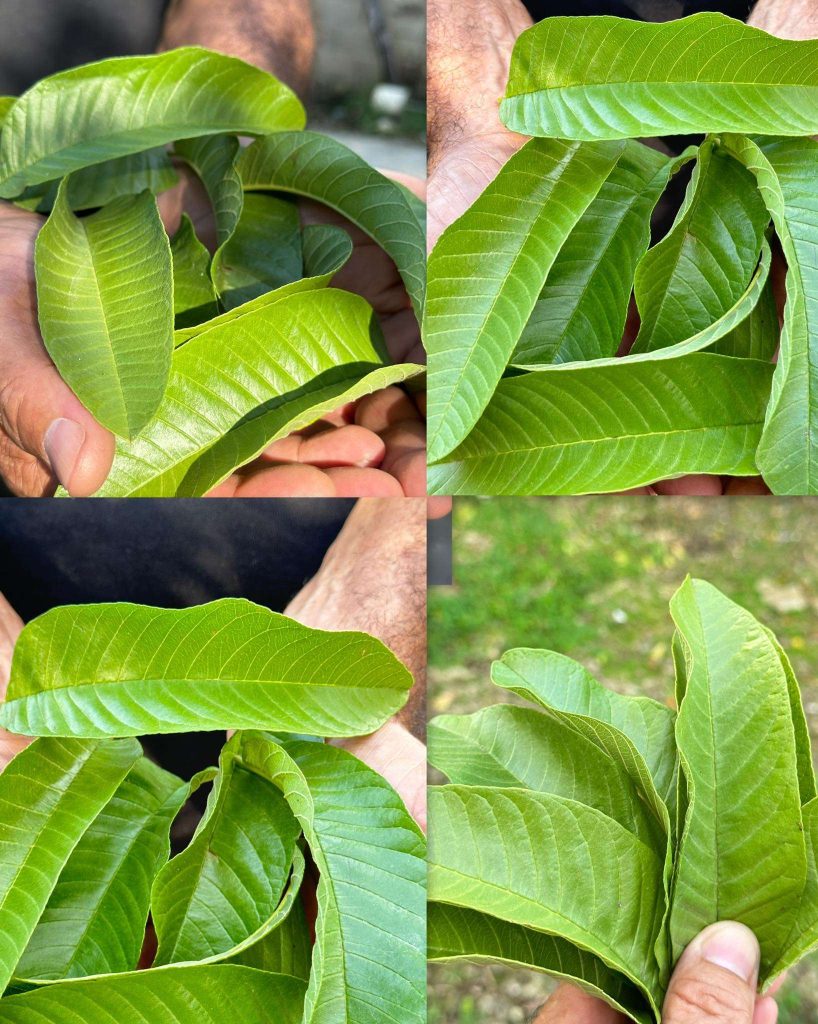
Guava leaves (Psidium guajava) are rich in a symphony of beneficial compounds, including flavonoids (like quercetin), carotenoids, polyphenols, and essential oils. They are also a notable source of vitamin C and powerful antioxidants. 🛡️ It's this unique phytochemical profile that is responsible for their wide-ranging therapeutic effects, from fighting inflammation to stabilizing blood sugar levels. The high concentration of antioxidants is key to their ability to combat oxidative stress, a root cause of many chronic diseases.
💊 Evidence-Based Health and Wellness Benefits
Let's explore the specific, science-backed advantages of incorporating guava leaf into your health regimen.
1. Blood Sugar Management: Several studies suggest that guava leaf tea can help improve insulin sensitivity and lower blood sugar levels. The compounds in the leaves inhibit the absorption of certain types of sugars in the intestine. 🍬 For those managing type 2 diabetes or prediabetes, drinking guava leaf tea after meals may be a helpful supportive practice. However, it should never replace prescribed medication without consulting a doctor.
2. Digestive Health Champion: Guava leaves possess strong antimicrobial and anti-inflammatory properties that can soothe the digestive tract. They are traditionally used to combat diarrhea, dysentery, and stomach aches. 🤢 A simple tea made from the leaves can help inhibit harmful bacteria like Staphylococcus aureus while being gentle on beneficial gut flora.
3. Heart Health Support: The leaves may contribute to a healthier cardiovascular system. The antioxidants help protect the heart from oxidative damage, while other compounds can help lower "bad" LDL cholesterol and triglycerides, and increase "good" HDL cholesterol. ❤️ This combined effect supports healthier blood pressure and reduces the risk of atherosclerosis.
4. Skin and Hair Elixir: Applied topically, guava leaf extract is a boon for beauty. Its anti-inflammatory and antimicrobial nature makes it excellent for treating acne, reducing redness, and speeding up wound healing. For hair, it is believed to strengthen follicles and combat dandruff. ✨ You can create a simple face toner by boiling leaves, cooling the water, and applying it with a cotton pad.
5. Immune System Boost and Anti-Cancer Potential: The high vitamin C content and immune-modulating properties can help fortify your body's natural defenses. 🛡️ Furthermore, preliminary laboratory studies have shown that guava leaf extract can inhibit the growth of various cancer cells, thanks to its potent lycopene and quercetin content. While promising, much more research in humans is needed in this area.
🍵 Practical Ways to Use Guava Leaves
Knowing the benefits is one thing; applying them is another. Here’s how you can practically use guava leaves.
Guava Leaf Tea: The most common and versatile method. Simply wash 5-10 fresh leaves (or use 1 tablespoon of dried leaves). Crush them slightly to release the oils, add to a cup of boiling water, cover, and steep for 5-10 minutes. Strain and enjoy. 🫖 You can drink it warm or cold. For maximum benefit, consider drinking one cup in the morning and one after your largest meal.
Topical Applications: For skin issues, create a concentrated decoction by boiling a large handful of leaves in water for 15-20 minutes. Let it cool completely, then use it as a wash, compress, or add it to your bath. For a hair rinse, use the tea after shampooing to promote scalp health and shine.
Culinary Uses: Young, tender guava leaves can be blended into smoothies (use sparingly due to their strong flavor) or used to wrap and steam foods, imparting a subtle, herbal aroma.
⚠️ Important Considerations and Safety
While generally safe for most people, it's crucial to exercise caution. If you are pregnant, breastfeeding, have a chronic health condition, or are on medication (especially for diabetes or blood thinners), consult your healthcare provider before using guava leaves medicinally. 🤰💊 Start with small amounts to see how your body reacts. As with any natural remedy, moderation is key—excessive consumption may lead to digestive discomfort in some individuals.
🎯 Conclusion: A Leaf Worth Exploring
Guava leaves are far more than just tree foliage; they are a versatile, accessible, and potent natural resource with a compelling resume of health benefits. From aiding metabolic and digestive health to enhancing skin and hair care routines, their applications are both broad and deeply rooted in tradition and emerging science. 🍃 By incorporating guava leaf tea into your daily routine or using it topically, you can tap into this ancient wisdom. Remember, the journey to wellness is often complemented by nature's gifts, and guava leaves stand out as a remarkable example. Start slowly, listen to your body, and consider this powerful leaf as a supportive player in your overall health strategy.
Deja una respuesta