Benefits of Guava Leaves
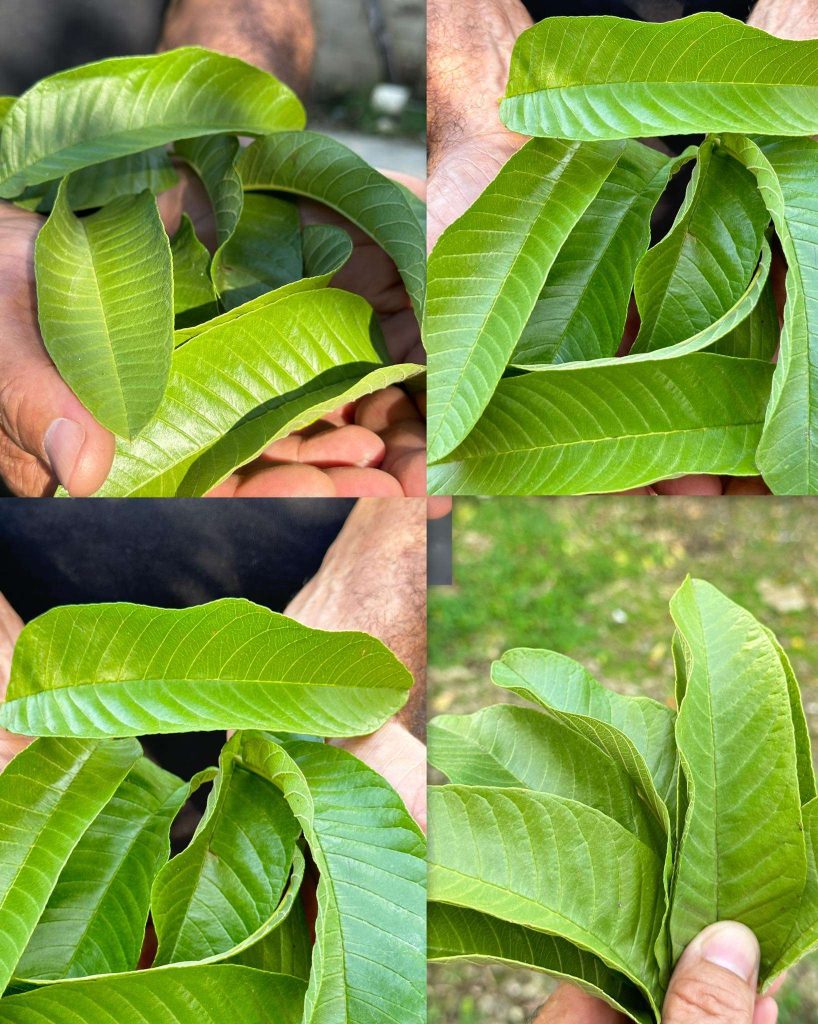
Unlocking Nature's Pharmacy: The Remarkable Benefits of Guava Leaves 🍃
 Espanol
Often overshadowed by the delicious, vitamin C-rich fruit they bear, guava leaves (Psidium guajava) are a powerhouse of wellness hiding in plain sight. 🌿 For centuries, they have been a cornerstone of traditional medicine across various cultures, from Asia to South America. Modern science is now catching up, validating many of these ancient uses. This article delves deep into the impressive health benefits of guava leaves, moving beyond the superficial to provide you with practical, evidence-backed knowledge you can apply to your daily wellness routine.
Espanol
Nutritional Powerhouse: What's Inside the Leaf? 🧪
Guava leaves are packed with a potent blend of bioactive compounds. They are exceptionally rich in antioxidants like flavonoids (particularly quercetin) and carotenoids, which combat oxidative stress in the body. They also contain powerful anti-inflammatory agents, essential oils, and beneficial plant compounds like tannins. Furthermore, they offer a wealth of vitamins (notably B vitamins) and minerals such as potassium and magnesium. This unique phytochemical profile is the foundation for their wide-ranging therapeutic effects.
Top Health Benefits Explored In-Depth
Blood Sugar Regulation & Diabetes Management 🩸
One of the most researched benefits of guava leaves is their positive impact on blood glucose levels. Compounds in the leaves inhibit the absorption of certain types of sugars in the intestines, such as maltose and sucrose. More importantly, they help improve insulin sensitivity and regulate the enzyme alpha-glucosidase. Practical Tip: Drinking guava leaf tea after meals may help prevent blood sugar spikes. Some studies suggest consuming it for up to 12 weeks can significantly lower fasting blood sugar levels.
Promoting Digestive Wellness 🤢➡️😊
From easing an upset stomach to tackling serious issues, guava leaves are a digestive ally. Their antibacterial and anti-inflammatory properties can help combat pathogens like Salmonella and E. coli, reducing the risk of foodborne illnesses and traveler's diarrhea. The tannins provide an astringent effect, which can alleviate symptoms of gastroenteritis by reducing inflammation and mucus secretion in the intestines. For simple indigestion or bloating, a warm cup of guava leaf tea can be very soothing.
Heart Health and Cholesterol Support ❤️
Supporting cardiovascular health is another crucial benefit. The leaves’ high potassium content helps regulate blood pressure by counteracting the effects of sodium. More significantly, research indicates that long-term consumption of guava leaf extract can help lower "bad" LDL cholesterol and triglycerides while raising "good" HDL cholesterol. This is attributed to the leaves' ability to inhibit the enzymes responsible for cholesterol synthesis in the liver.
Skin and Hair Elixir ✨
Applied topically, guava leaf infusion is a boon for skin and hair. Its antimicrobial and anti-inflammatory qualities make it an excellent natural remedy for acne, blackheads, and skin redness. It can accelerate the healing of minor wounds, cuts, and insect bites due to its bioactive compounds. For hair, rinsing with cooled guava leaf tea is believed to strengthen hair follicles, combat dandruff, and prevent premature hair loss, thanks to its nutrient-rich profile that nourishes the scalp.
Weight Management Aid ⚖️
Guava leaves can be a supportive tool in a weight management plan. They help prevent complex carbohydrates from being converted into simple sugars by the liver, a process that can promote fat storage. By inhibiting this conversion, the body may utilize stored fat for energy more efficiently. While not a magic solution, incorporating guava leaf tea into a balanced diet and exercise regimen can provide a helpful metabolic nudge.
How to Use Guava Leaves: Practical Applications 🍵
To harness these benefits, here are the most common and effective methods:
- Tea/Infusion: The simplest method. Wash 5-10 fresh leaves (or use 1 tbsp dried leaves). Boil in 1 liter of water for 10-15 minutes. Strain and enjoy warm or cold. You can add honey, lemon, or ginger for flavor.
- Topical Application: For skin or hair, prepare a strong infusion, let it cool, and apply it directly as a toner, compress, or final hair rinse.
- Extract & Supplements: Concentrated extracts are available in capsule or tincture form. Always consult with a healthcare professional before starting any new supplement, especially if you have underlying health conditions or are on medication.
Important Precautions and Considerations ⚠️
While generally safe for most people in culinary amounts, moderation is key. Excessive consumption may lead to constipation in some individuals due to the tannins. Pregnant and breastfeeding women should consult their doctor before using guava leaves therapeutically. Due to their blood sugar-lowering effects, individuals with diabetes on medication must monitor their levels closely to avoid hypoglycemia. Start with small amounts to see how your body reacts.
Conclusion: A Leaf Worthy of Your Attention
Guava leaves are far more than just tree foliage; they are a versatile, natural remedy backed by a growing body of scientific research. From regulating blood sugar and aiding digestion to supporting heart health and enhancing skin vitality, their applications are vast. By incorporating guava leaf tea into your routine or using it topically, you are tapping into an ancient, yet scientifically relevant, source of wellness. Remember, natural remedies are most powerful when used as part of a holistic approach to health—complementing a balanced diet, regular exercise, and professional medical advice. Explore the benefits of this humble leaf and discover a natural path to enhanced well-being. 🌿💚
Deja una respuesta