Benefits of Guava Leaves
 Espanol
Espanol
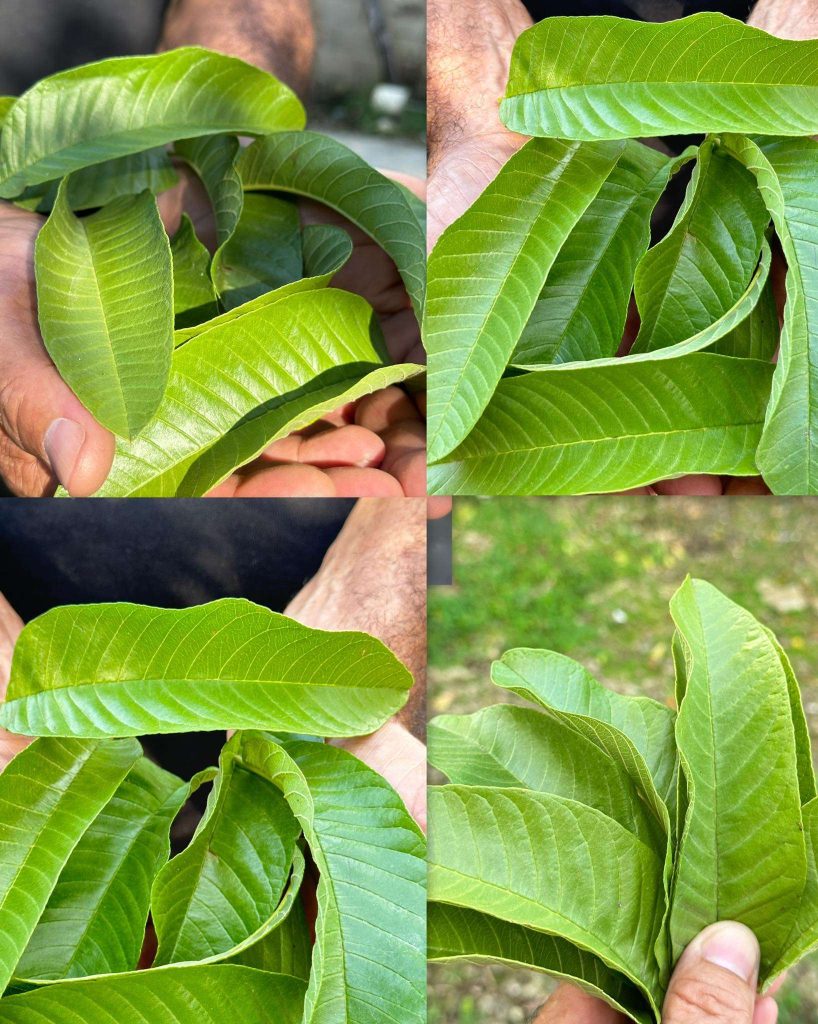
Unveiling Nature's Powerhouse: The Remarkable Benefits of Guava Leaves 🌿
Often overshadowed by the sweet, fragrant fruit they cradle, guava leaves are a treasure trove of wellness waiting to be discovered. 🍃 While the "Account Suspended" message signals a technical halt, encountering the benefits of guava leaves is an invitation to a journey of natural health. This article delves deep into the science and traditional wisdom behind Psidium guajava leaves, moving beyond superficial claims to explore their potent medicinal properties, practical applications, and how you can seamlessly integrate them into your daily routine for enhanced well-being.
🌿 A Closer Look at the Nutritional Profile
Guava leaves are densely packed with bioactive compounds that confer their health benefits. They are rich in powerful antioxidants like quercetin, flavonoids, and carotenoids, which combat oxidative stress and cellular damage. Furthermore, they contain significant anti-inflammatory agents such as tannins and saponins, along with essential vitamins (notably Vitamin C and B vitamins) and minerals. This unique phytochemical composition is the foundation for their wide-ranging therapeutic effects, making them more than just simple foliage.
💊 Key Health Benefits Explored
The applications of guava leaves are impressively diverse, supporting health from digestion to diabetes management.
Supports Digestive Health 🤢➡️🤗
Guava leaves have been used for centuries to address various gastrointestinal issues. Their strong antimicrobial and anti-inflammatory properties help combat harmful bacteria like Staphylococcus aureus and E. coli in the gut, potentially easing symptoms of food poisoning and gastroenteritis. More commonly, a warm tea made from the leaves is an excellent remedy for soothing stomach aches, reducing diarrhea, and alleviating bloating. The leaves' compounds help inhibit the production of excess mucus that can irritate the intestines.
Aids in Blood Sugar Regulation 📉
This is one of the most celebrated benefits, supported by several studies. Compounds in guava leaves inhibit the absorption of certain types of sugars in the blood, such as maltose and sucrose. They also improve insulin sensitivity and help lower blood glucose levels after meals. For individuals managing diabetes or pre-diabetes, incorporating guava leaf tea can be a valuable supportive natural strategy, though it should not replace prescribed medication without consulting a healthcare provider. 🩺
Promotes Heart Health ❤️
The holistic impact on cardiovascular health is noteworthy. The leaves' antioxidants help protect the heart from oxidative damage. More directly, they may contribute to lowering "bad" LDL cholesterol and triglycerides while supporting healthy blood pressure levels. The high potassium content also aids in relaxing blood vessels and improving circulation, reducing the overall strain on the cardiovascular system.
Enhances Skin and Hair Beauty ✨
Topically, guava leaf paste or infused water works wonders. Its antiseptic and anti-inflammatory qualities make it effective for treating acne, dark spots, and delaying signs of aging. Applied to the scalp, it can help combat dandruff, strengthen hair follicles, and prevent hair loss, thanks to its nutrient-rich profile that nourishes the skin and hair roots directly.
🫖 How to Use Guava Leaves: Practical Methods
To harness these benefits, here are the most effective and simple ways to use guava leaves:
1. Guava Leaf Tea (Infusion): This is the most common method. Rinse 5-7 fresh or dried leaves. Gently crush them to release their oils, then steep in a cup of hot water for 5-10 minutes. Strain and enjoy. You can add honey or lemon for taste. Consuming 1-2 cups daily is a general guideline for systemic benefits. ☕
2. Topical Application for Skin: Boil a handful of leaves in water for 15-20 minutes. Let the decoction cool, then use it as a facial toner or wash. For a paste, grind fresh leaves with a little water and apply directly to affected skin areas for 10-15 minutes before rinsing.
3. Mouthwash for Oral Health: The anti-bacterial properties make an excellent natural mouthwash. Use the cooled leaf decoction to gargle; it can help with gingivitis, mouth ulcers, and bad breath. 😁
Important Note: Always source leaves from organic, pesticide-free plants. If you are pregnant, nursing, or on medication, consult your doctor before making guava leaves a regular part of your regimen.
🔬 Conclusion: Embracing a Leaf of Life
From stabilizing blood sugar to nurturing your skin, the humble guava leaf proves itself as a formidable ally in natural health. Its benefits, rooted in both traditional practice and emerging science, offer a compelling case for looking beyond the fruit to the foliage. 🌳 Unlike a suspended account that restricts access, guava leaves provide an accessible gateway to enhanced wellness. We encourage you to explore this natural remedy, starting with a simple cup of tea, and experience its multifaceted contributions to a healthier lifestyle. Remember, the most powerful solutions are often found in nature's simplest packages.
💡 Frequently Asked Insights
Can I use dried guava leaves? Yes, dried leaves retain most of their beneficial compounds and are perfect for making tea, especially when fresh leaves are not available.
Are there any side effects? When consumed in moderation as a tea, side effects are rare. Excessive consumption may lead to stomach irritation in some individuals.
How long does it take to see results? As with most natural remedies, consistency is key. Benefits like improved digestion may be noticed quickly, while effects on cholesterol or blood sugar may require regular use over several weeks.
Deja una respuesta