Benefits of Guava Leaves
 Espanol
Espanol
🌿 Unlocking Nature's Pharmacy: The Remarkable Benefits of Guava Leaves
Often overshadowed by the delicious guava fruit, the humble guava leaf is a powerhouse of nutrients and therapeutic compounds waiting to be discovered. 🍃 While the "Account Suspended" message you might have encountered online signals a disruption in digital access, there are no barriers to accessing the ancient wisdom of natural remedies. This article delves deep into the science and traditional uses of guava leaves, offering a professional yet friendly guide to their impressive health and wellness benefits. From managing blood sugar to enhancing skin radiance, we will explore practical ways to integrate this versatile leaf into your daily routine.
💊 A Treasure Trove of Bioactive Compounds
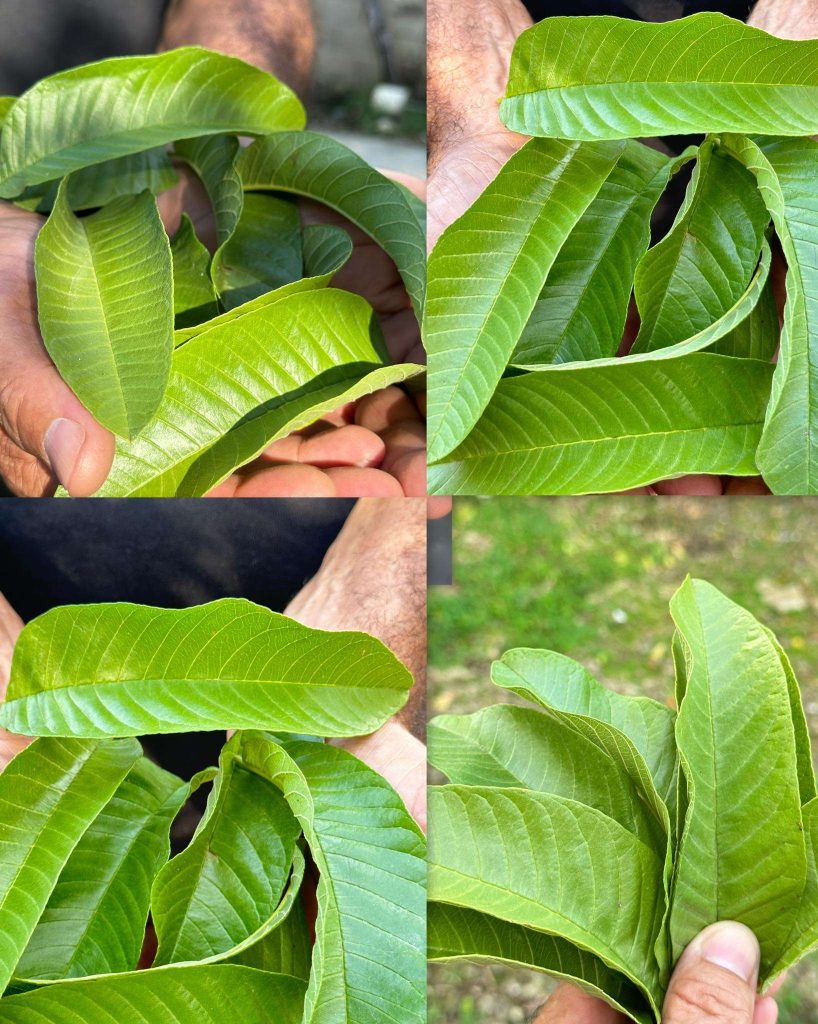
Guava leaves (Psidium guajava) are rich in potent antioxidants like quercetin, flavonoids, and vitamin C. They also contain beneficial compounds such as tannins, essential oils, and saponins. This unique phytochemical profile is responsible for most of their therapeutic effects. Regular consumption, primarily as a tea, can systematically help combat oxidative stress and inflammation at the cellular level. 🧬 Unlike many modern supplements, guava leaves offer a synergistic blend of compounds that work together, providing a holistic approach to health that has been valued in various cultures for centuries.
🩺 Key Health Benefits Explored
The applications of guava leaves are surprisingly broad. Here, we break down the most evidence-backed benefits.
📉 Diabetes and Blood Sugar Management
One of the most celebrated benefits is their positive effect on blood glucose levels. Compounds in the leaves inhibit the absorption of certain types of sugars in the bloodstream. Drinking guava leaf tea after meals may help prevent sharp spikes in blood sugar and improve insulin sensitivity. Multiple studies, including those published in the journal Nutrition & Metabolism, support this use, making it a valuable complementary practice for those managing type 2 diabetes or prediabetes. 🍵
🤢 Digestive Health and Weight Management
Guava leaves possess strong antimicrobial and anti-inflammatory properties that can soothe the gastrointestinal tract. They are effective against common digestive issues, including bacterial diarrhea, stomach cramps, and food poisoning. Furthermore, by preventing the complex conversion of carbohydrates into usable sugars, the leaves can support weight management efforts. Incorporating a cup of guava leaf tea into your diet can promote a feeling of fullness and aid in smoother digestion. 🫖
❤️ Cardiovascular Support
The antioxidants in guava leaves, particularly quercetin, contribute to heart health. They help lower "bad" LDL cholesterol and triglycerides while potentially raising "good" HDL cholesterol. Additionally, their mild antihypertensive effect can help manage blood pressure. By improving lipid profiles and reducing oxidative stress in blood vessels, guava leaves support overall cardiovascular function. This makes them a heart-friendly addition to a balanced lifestyle. 💓
✨ Skin and Hair Vitality
Applied topically, guava leaf extract or a cooled tea rinse can work wonders for skin and hair. Its antimicrobial and anti-inflammatory properties make it excellent for treating acne, reducing redness, and fading dark spots. For hair, it can strengthen follicles, reduce dandruff, and promote a healthy scalp. For a simple skin toner, steep leaves in hot water, let it cool, and apply with a cotton pad. The high antioxidant content also fights signs of premature aging, giving your skin a natural glow. ✨
😌 Oral Health and Immunity Boost
A mouth rinse made from guava leaf decoction can alleviate toothache, heal mouth ulcers, and combat gingivitis due to its anti-plaque and antibacterial qualities. 🦷 Simultaneously, the high vitamin C content and immune-modulating properties provide a solid defense against common colds and infections, especially when consumed regularly during seasonal changes.
🛠️ Practical Tips for Using Guava Leaves
To harness these benefits, it's essential to know how to source and prepare guava leaves correctly.
1. Sourcing: Use fresh, organic leaves from a guava tree you know hasn't been treated with pesticides. Dried leaves, available in herbal stores, are also effective and have a longer shelf life. 🌱
2. Preparing the Tea (Infusion): This is the most common method. Wash 5-10 fresh leaves thoroughly. Gently crush them to release the oils. Boil in about one liter of water for 10-15 minutes. Strain and enjoy warm or cold. You can add a hint of honey or lemon for taste. For best results, consume 1-2 cups daily, ideally after main meals. 🫖
3. Topical Applications: For skin and hair, prepare a stronger decoction by boiling a larger handful of leaves in less water. Let it cool completely before applying. A paste made from crushed leaves can be used as a spot treatment for acne.
Important Note: While generally safe, if you are pregnant, nursing, on medication (especially for diabetes or blood thinners), or have a scheduled surgery, consult your healthcare provider before making guava leaf tea a regular habit. ⚠️
✅ Conclusion: Embracing a Time-Tested Natural Remedy
In conclusion, the guava leaf is far more than just tree foliage; it is a multifunctional, accessible, and natural tool for enhancing your well-being. 🌿 From providing robust support for metabolic and digestive health to offering cosmetic benefits for your skin and hair, its uses are both profound and practical. We have journeyed from understanding its rich biochemical makeup to learning simple, actionable methods for its application. By integrating guava leaf tea or topical treatments into your routine, you are tapping into an ancient, yet scientifically supported, tradition of natural healing. Remember, consistency is key, and as with any wellness practice, it should complement a balanced diet and healthy lifestyle. Why not start today by brewing your first cup and experiencing these benefits firsthand? Your journey to natural vitality is just a leaf away. 🍃
Deja una respuesta