Benefits of Guava Leaves
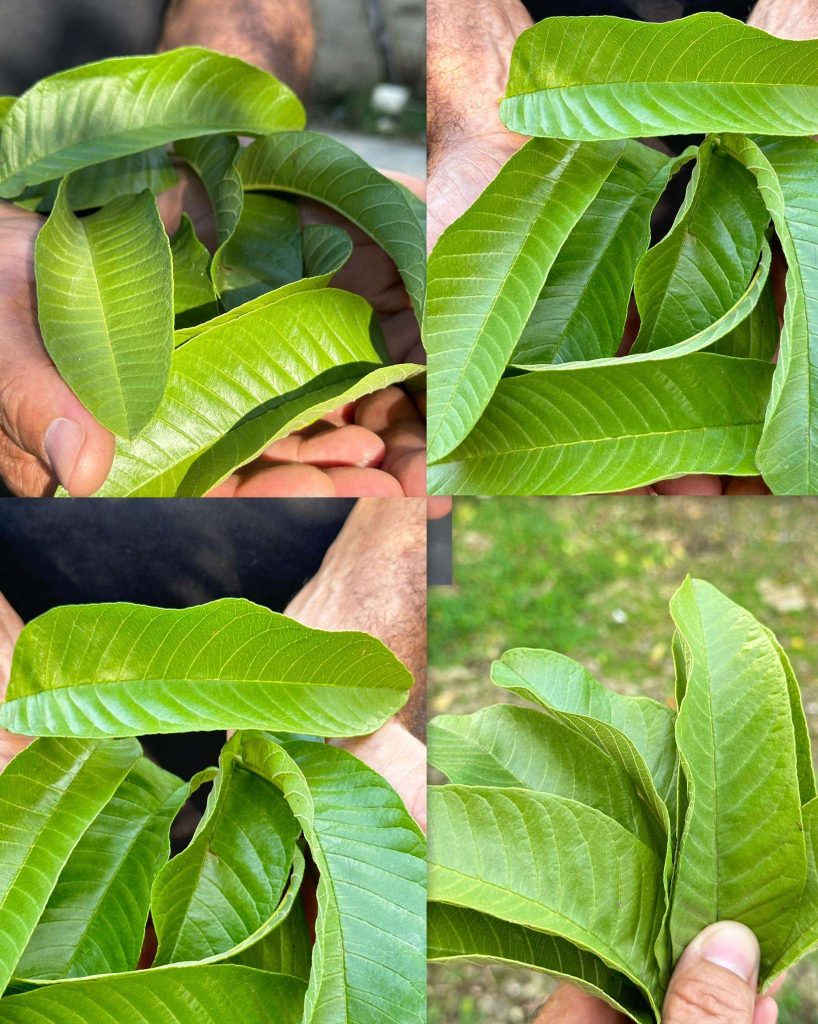
🌿 Introduction: Rediscovering the Humble Guava Leaf
 Espanol
When we think of the guava tree (Psidium guajava), our minds often jump straight to its delicious and vitamin-C-rich fruit. 🍈 However, hidden in plain sight among its branches lies a powerhouse of wellness: the guava leaf. For centuries, these leaves have been a cornerstone in traditional medicine systems across the tropics, from Ayurveda in India to herbal practices in South America and Africa. Modern science is now catching up, validating what ancient healers long knew. This article delves deep into the remarkable benefits of guava leaves, moving beyond superficial claims to provide you with a comprehensive, practical guide. We'll explore their nutritional profile, evidence-backed health advantages, and simple ways to incorporate them into your daily routine for enhanced well-being.
Espanol
💪 Nutritional Powerhouse: What's Inside the Leaf?
Guava leaves are densely packed with bioactive compounds that contribute to their therapeutic effects. They are an excellent source of powerful antioxidants like quercetin, flavonoids, and carotenoids, which combat oxidative stress and cellular damage. Furthermore, they contain significant anti-inflammatory agents such as guaijaverin and essential oils. The leaves are also rich in beneficial tannins, which have astringent properties, and triterpenoids. Unlike the fruit, the leaves are low in sugars but high in compounds that regulate metabolic processes. This unique chemical composition is the foundation for their wide-ranging health benefits, making them a true natural pharmacy in a leaf. 🌱
🩺 Science-Backed Health Benefits of Guava Leaves
The purported benefits of guava leaves are not merely folklore; a growing body of research supports their efficacy. Here are some of the most significant, evidence-based advantages:
1. Blood Sugar Regulation 🩸: Multiple studies indicate that guava leaf tea can help lower blood sugar levels and improve insulin resistance. The compounds in the leaves inhibit the absorption of certain types of sugars in the intestine and improve liver glycogen synthesis. For individuals with prediabetes or managing type 2 diabetes, drinking guava leaf tea after meals may be a helpful supportive practice. Always consult with your healthcare provider before making changes to your management plan.
2. Digestive Health Champion 🤢: Guava leaves are renowned for their positive impact on the gastrointestinal system. Their antimicrobial and anti-inflammatory properties can help combat harmful bacteria like Staphylococcus aureus and Salmonella while soothing the gut lining. They are particularly effective in relieving symptoms of acute diarrhea and gastroenteritis. The astringent tannins help reduce intestinal inflammation and mucus secretion, leading to firmer stools and less discomfort.
3. Heart Health Supporter ❤️: The synergy of antioxidants, potassium, and soluble fiber in guava leaves contributes to cardiovascular protection. They may help in lowering "bad" LDL cholesterol and triglycerides while potentially increasing "good" HDL cholesterol. The vasodilatory and anti-hypertensive effects can also contribute to managing healthy blood pressure levels. Incorporating the tea as part of a heart-healthy lifestyle can offer added protective benefits.
4. Skin and Hair Elixir ✨: Applied topically, guava leaf extracts work wonders for skin and hair. Their antibacterial and anti-inflammatory nature makes them excellent for treating acne, redness, and skin irritation. A cooled tea wash can soothe inflamed skin. For hair, a leaf decoction is traditionally used to combat hair loss and dandruff, thanks to its scalp-nourishing and antimicrobial properties, promoting stronger, healthier hair follicles.
5. Weight Management Aid ⚖️: Guava leaf tea contains no caffeine and very few calories, making it an ideal beverage for weight management plans. More importantly, it prevects the conversion of complex carbohydrates into usable sugars, reducing the calorie intake from starchy foods like potatoes, rice, and bread. This, combined with its blood sugar stabilizing effect, can help curb cravings and support metabolic health.
🍵 How to Use Guava Leaves: Practical Tips and Methods
To harness these benefits, here are the most common and effective ways to use guava leaves:
- Guava Leaf Tea: This is the simplest method. Rinse 5-10 fresh, organic leaves (or 1 tablespoon of dried leaves). Gently crush them to release the compounds, then steep in a cup of hot water for 5-10 minutes. Strain and enjoy. You can drink 1-3 cups daily. 🫖
- Topical Application: For skin issues, boil a handful of leaves in water for 15-20 minutes. Let the decoction cool completely, then use it as a face wash, soak a compress for affected areas, or add it to your bath. For hair, use the cooled decoction as a final rinse after shampooing.
- Supplement Form: Guava leaf extract is available in capsule or tincture form. Always choose reputable brands and follow dosage instructions carefully. 💊
- Culinary Use: Young, tender guava leaves can be finely chopped and added to smoothies or juices for a nutritional boost without altering the flavor significantly.
A crucial safety tip: Ensure the leaves are sourced from trees not treated with pesticides or chemical fertilizers. If foraging, be absolutely certain of the tree's identity.
✅ Conclusion and Final Thoughts
In summary, the humble guava leaf is a testament to nature's ingenuity, offering a wide array of proven health benefits—from regulating blood sugar and aiding digestion to supporting heart health and enhancing skin vitality. 🌍 Its transition from traditional remedy to subject of scientific study highlights its significant potential as a complementary tool for holistic wellness. While it is not a magic bullet or a substitute for professional medical advice and treatment, incorporating guava leaf tea or extract into a balanced lifestyle can provide substantial supportive health advantages. We encourage you to explore this natural remedy, starting with a simple cup of tea, and experience its benefits firsthand. Remember, the journey to better health is often paved with rediscovering the profound gifts of the natural world that have been with us all along.
Deja una respuesta