Benefits of Guava Leaves
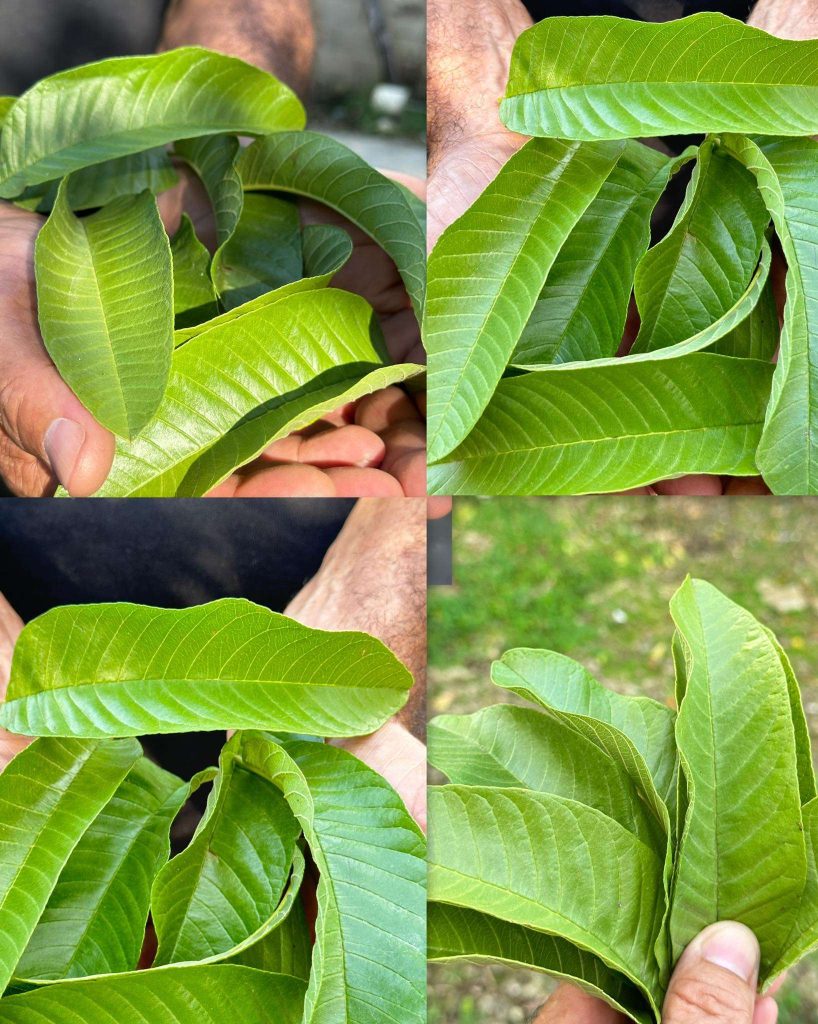
Introduction: Unlocking the Power of a Tropical Treasure 🌿
 Espanol
Often overshadowed by its sweet, fragrant fruit, the humble guava leaf is a powerhouse of wellness hiding in plain sight. For centuries, traditional medicine systems across the globe have harnessed its potent properties, and modern science is now catching up, validating many of these age-old uses. This article delves beyond the surface to explore the profound benefits of guava leaves, offering you a practical guide to integrating this natural remedy into your daily health routine. From metabolic support to radiant skin, discover how this accessible leaf can be a cornerstone of a holistic approach to well-being.
Espanol
Beyond the Fruit: Nutritional Profile of Guava Leaves 🧪
To understand their benefits, we must first look at what makes guava leaves so special. They are densely packed with bioactive compounds, including powerful antioxidants like quercetin and flavonoids, as well as essential oils and tannins. They are a rich source of vitamin C, although in lower concentration than the fruit, and contain important minerals. This unique composition is responsible for their anti-inflammatory, antimicrobial, and antidiabetic properties, forming the scientific basis for the traditional uses we will explore.
Key Health Benefits of Guava Leaves Explored
The applications of guava leaves are remarkably diverse, impacting several key systems within the body.
Blood Sugar Regulation and Metabolic Health ⚖️
One of the most researched benefits is their positive effect on blood glucose levels. Compounds in the leaves inhibit the absorption of certain types of sugars in the intestine and improve insulin sensitivity. Drinking guava leaf tea after meals may help prevent blood sugar spikes. This makes it a valuable, natural adjunct for those managing prediabetes or type 2 diabetes, though it should never replace prescribed medication without a doctor's consultation.
Digestive System Support 🤢➡️😊
Guava leaves are a boon for gut health. Their antimicrobial properties can help combat harmful bacteria like Staphylococcus aureus and E. coli, potentially reducing foodborne illnesses. More commonly, their anti-inflammatory and antispasmodic effects provide relief from digestive discomfort. A warm cup of guava leaf tea is an excellent remedy for soothing upset stomachs, reducing diarrhea, and easing bloating.
Heart Health and Cholesterol Management ❤️
By helping to regulate blood sugar and blood pressure, guava leaves indirectly support cardiovascular health. Some studies suggest that the leaf extract can help lower "bad" LDL cholesterol and triglycerides while raising "good" HDL cholesterol, thanks to its high antioxidant content. This combined action helps maintain clear and flexible arteries, promoting long-term heart health.
Beauty and Dermatological Uses ✨
Your skin can reap the rewards too! The antimicrobial and anti-inflammatory properties make guava leaf extract a fantastic topical treatment. It can help reduce acne, combat blackheads, and soothe skin irritation. A simple homemade toner, made by steeping leaves in hot water and allowing it to cool, can be applied to the face to tighten pores and impart a healthy glow. The antioxidants also fight free radicals, slowing signs of aging.
Oral Health Guardian 🦷
Fighting plaque and gum disease is another area where guava leaves shine. Their anti-inflammatory action relieves swollen gums and mouth ulcers, while their antimicrobial strength tackles the bacteria causing bad breath and plaque formation. Chewing on a gently washed, softened leaf or using a mouthwash made from leaf decoction can be an effective natural oral hygiene practice.
How to Use Guava Leaves: Practical Tips and Methods
Incorporating guava leaves into your life is simple and economical.
The most common method is preparing a tea or infusion:
- Wash 5-10 fresh, organic leaves thoroughly (or use 1 tablespoon of dried leaves).
- Add them to a pot with about 2 cups of water.
- Bring to a boil, then simmer for 10-15 minutes to extract the active compounds.
- Strain the liquid, allow it to cool slightly, and enjoy. You can add honey or lemon for taste, but it's best consumed without sugar to maximize the health benefits.
For topical use, you can use the cooled tea as a facial rinse, add the decoction to your bath, or create a paste from crushed leaves for targeted application on acne or irritated skin.
Important Considerations and Precautions ⚠️
While generally safe for most people, it is crucial to practice moderation. Start with a weak tea to see how your body reacts. Pregnant and breastfeeding women should consult their healthcare provider before use. Due to its effect on blood sugar, individuals on diabetes medication must monitor their levels closely to avoid hypoglycemia. Always source leaves from areas free of pesticides and chemical contamination.
Conclusion: A Leaf of Multifaceted Wellness
From aiding in metabolic control to enhancing skin beauty and strengthening digestion, the benefits of guava leaves are both extensive and impressive. 🌱 This natural remedy stands as a testament to the idea that profound healing can come from the simplest parts of nature. By incorporating guava leaf tea into your routine or using it topically, you are tapping into a centuries-old tradition of holistic health. Remember, natural supplements work best as part of a balanced lifestyle. We encourage you to explore this tropical treasure, armed with the knowledge from this article, and consult with a healthcare professional for personalized advice. Your journey to harnessing the power of guava leaves starts with a single leaf—steep it, savor it, and let nature do the rest.
Deja una respuesta