Benefits of Guava Leaves
 Espanol
Espanol
Unlocking the Power of Guava Leaves: A Guide to Their Surprising Health Benefits
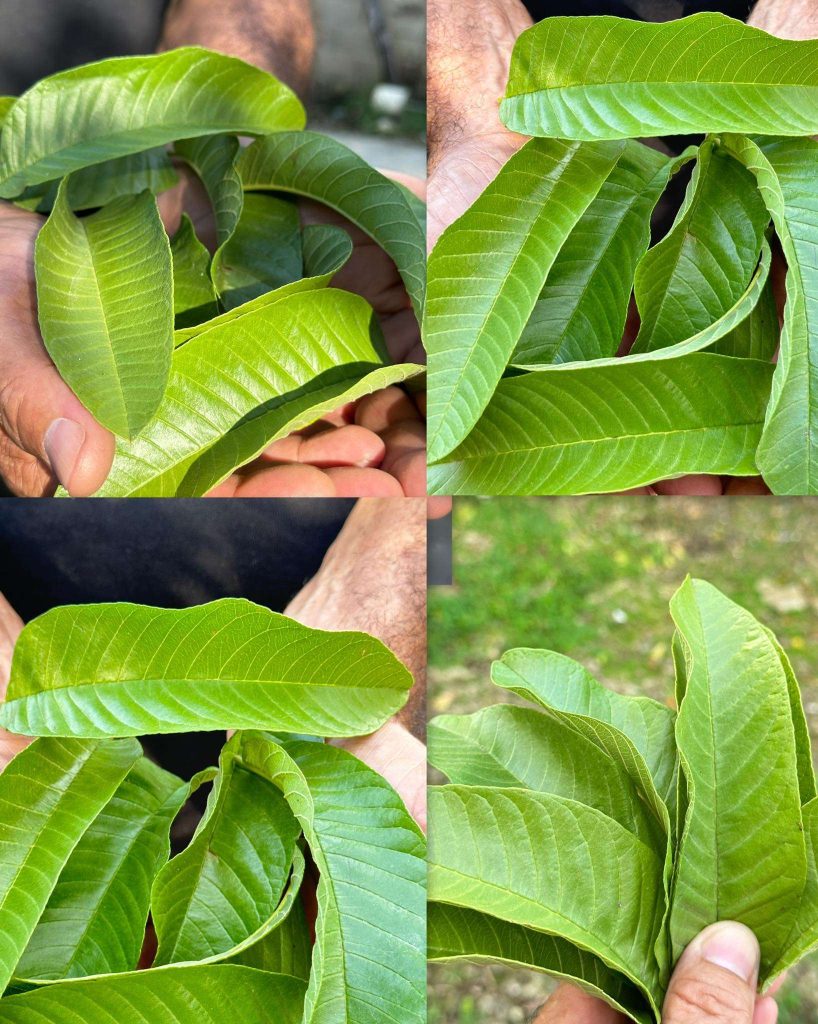
When we think of the guava tree, our minds often jump to its delicious, vitamin C-rich fruit. However, lurking in plain sight on its branches is an often-underestimated powerhouse: the guava leaf. 🌳 For centuries, these humble leaves have been a cornerstone in traditional medicine across various cultures, and modern science is now catching up, validating their impressive therapeutic properties. This article delves deep into the multifaceted benefits of guava leaves, moving beyond superficial claims to provide you with a comprehensive, practical guide on how to harness their potential for your well-being.
Beyond the Fruit: What Makes Guava Leaves Special? 🔬
Guava leaves (Psidium guajava) are packed with a potent blend of bioactive compounds, including flavonoids (like quercetin), carotenoids, polyphenols, and essential oils. These compounds are responsible for the leaves' strong antioxidant, anti-inflammatory, antimicrobial, and antidiabetic properties. Unlike the fruit, the leaves have a distinct, slightly bitter taste, which signals their high concentration of these beneficial phytochemicals. Understanding this chemical profile is key to appreciating their wide range of applications.
A Boon for Digestive Health and Weight Management 🍃
Guava leaf tea is a renowned traditional remedy for various gastrointestinal issues. The leaves contain compounds that may help inhibit the growth of harmful bacteria like Staphylococcus aureus and E. coli in the gut, while promoting the growth of beneficial bacteria. For those suffering from acute diarrhea or dysentery, a strong guava leaf tea can provide relief due to its antimicrobial and astringent properties. Furthermore, research suggests that guava leaf extract can help reduce the absorption of dietary carbohydrates, which can help lower blood sugar spikes and, consequently, support weight management efforts. Practical Tip: Drink a cup of warm guava leaf tea 30 minutes before a meal to help manage blood sugar and feel fuller.
Supporting Healthy Blood Sugar Levels ⚖️
This is one of the most researched and promising benefits. Several studies indicate that guava leaf tea can improve insulin resistance and help lower blood sugar levels. The mechanisms involve inhibiting certain enzymes that convert carbohydrates in the digestive tract into glucose. For individuals with prediabetes or those looking to support metabolic health, incorporating guava leaf tea can be a valuable, natural adjunct. Important: It should not replace prescribed medication but can be discussed with a healthcare provider as a complementary strategy.
Radiant Skin and Healthy Hair Secrets ✨
Your journey to natural skincare might be growing in your backyard. The antioxidant and anti-inflammatory properties of guava leaves make them excellent for topical application. A cooled guava leaf tea rinse or paste can help combat acne, reduce redness, and tighten the skin due to its astringent effect. For hair, it's traditionally used to strengthen roots, combat dandruff, and even potentially slow down premature graying by preserving melanin. Practical Tip: Steep a handful of leaves in hot water, let it cool, and use it as a final rinse after shampooing for shiny, strong hair.
Heart Health and Cholesterol Support ❤️
The holistic benefits extend to the cardiovascular system. The high potassium and soluble fiber content in the leaves contribute to healthy blood pressure and cholesterol levels. The antioxidants help prevent the oxidation of LDL ("bad") cholesterol, a key step in the formation of arterial plaque. By supporting healthier lipid profiles and reducing oxidative stress, guava leaves contribute to long-term heart health.
How to Use Guava Leaves: A Practical Guide 🍵
To incorporate guava leaves into your routine, the most common method is to make a tea.
- Wash 5-10 fresh, organic guava leaves (or use 1 tablespoon of dried leaves).
- Boil them in about 1 liter of water for 10-15 minutes.
- Strain the liquid and enjoy it warm or cold. You can add a dash of honey or lemon for flavor.
For topical use, follow the same process to create a concentrated infusion, allow it to cool completely, and then apply it to the skin or scalp with a cotton pad. You can also find guava leaf extract in supplement form, but it's crucial to choose reputable brands and consult a professional for dosage.
Important Considerations and Precautions ⚠️
While generally safe for most people, it's essential to practice moderation. Pregnant and breastfeeding women should consult their doctor before use. Due to their potent effect on blood sugar, individuals with diabetes on medication must monitor their levels closely to avoid hypoglycemia. As with any herbal remedy, starting with a small amount to assess tolerance is always wise.
Conclusion: Embracing a Leaf of Good Health 🌟
Guava leaves are far more than just tree foliage; they are a versatile, natural remedy with scientifically-backed benefits ranging from metabolic and digestive support to enhancing skin and hair vitality. By integrating guava leaf tea into your wellness regimen or using it topically, you are tapping into an ancient, yet profoundly relevant, source of healing. Remember, the key to natural remedies is consistency and informed use. We encourage you to explore this green treasure, perhaps starting with a simple cup of tea, and experience its benefits firsthand. Your journey to harnessing nature's pharmacy begins with a single leaf. 🍃
Deja una respuesta