Benefits of Guava Leaves
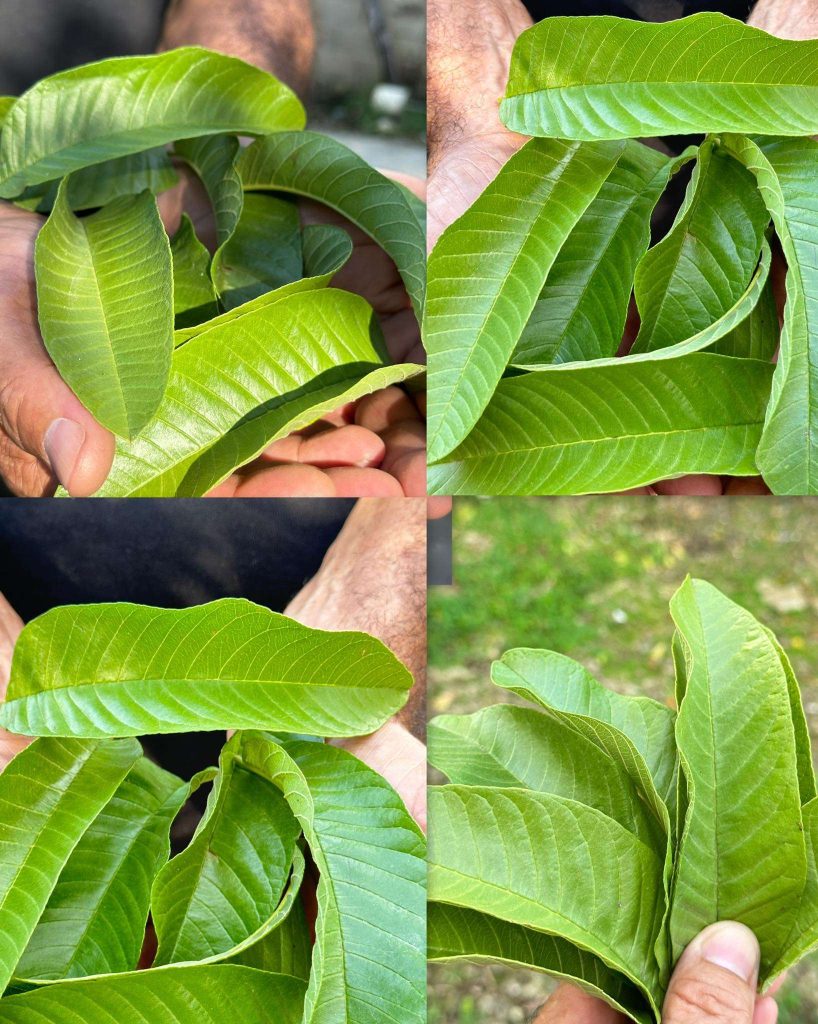
Introduction: Discover the Power of a Hidden Treasure 🌿
 Espanol
Often overlooked in favor of the sweet, juicy fruit they nurture, guava leaves are a powerhouse of wellness hiding in plain sight. 🍃 While the guava fruit rightfully enjoys its superfood status, the leaves of the Psidium guajava tree possess an equally impressive, if not more concentrated, array of health-promoting properties. This article delves into the science-backed benefits of guava leaves, transforming this common garden foliage from mere greenery into a valuable natural remedy. From managing blood sugar to enhancing skin health, we will explore practical ways to harness their potential and integrate them into your daily wellness routine.
Espanol
The Science Behind the Benefits: A Nutrient-Dense Profile 🔬
Guava leaves are rich in bioactive compounds, including potent antioxidants like quercetin and flavonoids, as well as anti-inflammatory and antimicrobial agents. These compounds work synergistically to combat oxidative stress—a key driver of aging and chronic disease. Furthermore, the leaves contain beneficial tannins and essential oils that contribute to their therapeutic effects. This unique phytochemical composition is the foundation for their wide-ranging applications in both traditional medicine and modern wellness practices.
Key Health Benefits of Guava Leaves
Let's explore the specific, evidence-supported advantages of incorporating guava leaves into your health regimen.
1. Supports Healthy Blood Sugar Levels 📉
One of the most celebrated benefits of guava leaf tea is its potential to help regulate blood glucose. Studies suggest that compounds in the leaves inhibit the absorption of certain types of sugars in the blood, such as sucrose and maltose. Drinking guava leaf tea after meals may help prevent blood sugar spikes. Important: This is a supportive measure and should not replace medication or a doctor's advice for individuals with diabetes.
2. Promotes Digestive Wellness 🤲
Guava leaves have been used for centuries to soothe various digestive ailments. Their antimicrobial properties can help combat harmful gut bacteria like Staphylococcus aureus and Salmonella, while their anti-inflammatory nature may ease symptoms of gastritis and colitis. A warm cup of guava leaf tea can act as a gentle remedy for diarrhea and food poisoning, helping to reduce abdominal discomfort and restore balance.
3. Enhances Skin Health and Vitality ✨
The antioxidants in guava leaves fight free radicals that cause premature aging, such as wrinkles and fine lines. You can benefit your skin by drinking the tea for a systemic effect or by using it topically. Applying cooled guava leaf tea as a toner or face rinse can help reduce acne, minimize pores, and soothe inflammation thanks to its antiseptic qualities. For a simple treatment, crush fresh leaves into a paste and apply it to affected areas.
4. Contributes to Heart Health ❤️
Regular consumption of guava leaf extract may support cardiovascular health in two key ways. First, it may help lower "bad" LDL cholesterol and triglycerides. Second, its mild hypotensive effect can contribute to maintaining healthy blood pressure levels. The high potassium content in the leaves also aids in balancing sodium levels, which is crucial for heart function.
5. A Natural Aid for Weight Management ⚖️
Guava leaves can be a helpful companion on a weight management journey. By preventing the conversion of complex carbohydrates into usable sugars, the leaves may help reduce the body's urge to store unused sugar as fat. Furthermore, replacing sugary beverages with unsweetened guava leaf tea significantly cuts daily calorie intake, supporting a calorie deficit in a healthy, hydrating way.
How to Use Guava Leaves: Practical Tips and Methods
To reap these benefits, knowing how to prepare and use guava leaves is essential. Here are the most effective methods:
Guava Leaf Tea (Infusion): This is the most common and versatile method. Simply wash 5-10 fresh leaves (or use 1 tablespoon of dried leaves), add them to a pot with 2 cups of water, and boil for 10-15 minutes. Strain and enjoy warm or cold. You can add a dash of honey or lemon for flavor, but avoid sugar to maximize health benefits. 🍵
Topical Applications: For skin and hair, prepare a strong decoction by boiling a handful of leaves in water for 20 minutes. Let it cool, then use it as a final hair rinse to combat dandruff and strengthen follicles, or as a facial toner and skin wash.
Crushed Leaf Poultice: For minor wounds, insect bites, or acne, clean and crush fresh leaves to release their juices and apply directly to the skin, securing with a clean bandage if needed.
Key Consideration: Always source organic, unsprayed leaves and wash them thoroughly before use. Start with small amounts to ensure you have no adverse reactions.
Conclusion: Embrace Nature's Pharmacy 🌱
From stabilizing blood sugar to rejuvenating your skin, the humble guava leaf proves that nature often provides the most sophisticated solutions. Its diverse benefits—rooted in a rich profile of antioxidants, anti-inflammatory, and antimicrobial compounds—make it a remarkably accessible and cost-effective addition to a holistic health approach. While not a magic bullet or a substitute for professional medical treatment, guava leaves offer substantial supportive wellness value.
We encourage you to try a cup of soothing guava leaf tea or a refreshing skin rinse and experience its benefits firsthand. Listen to your body, consult with a healthcare provider for specific conditions, and unlock the potential of this verdant, versatile leaf. Your journey to natural wellness might just be a leaf away. 🌿
Deja una respuesta