Benefits of Guava Leaves
 Espanol
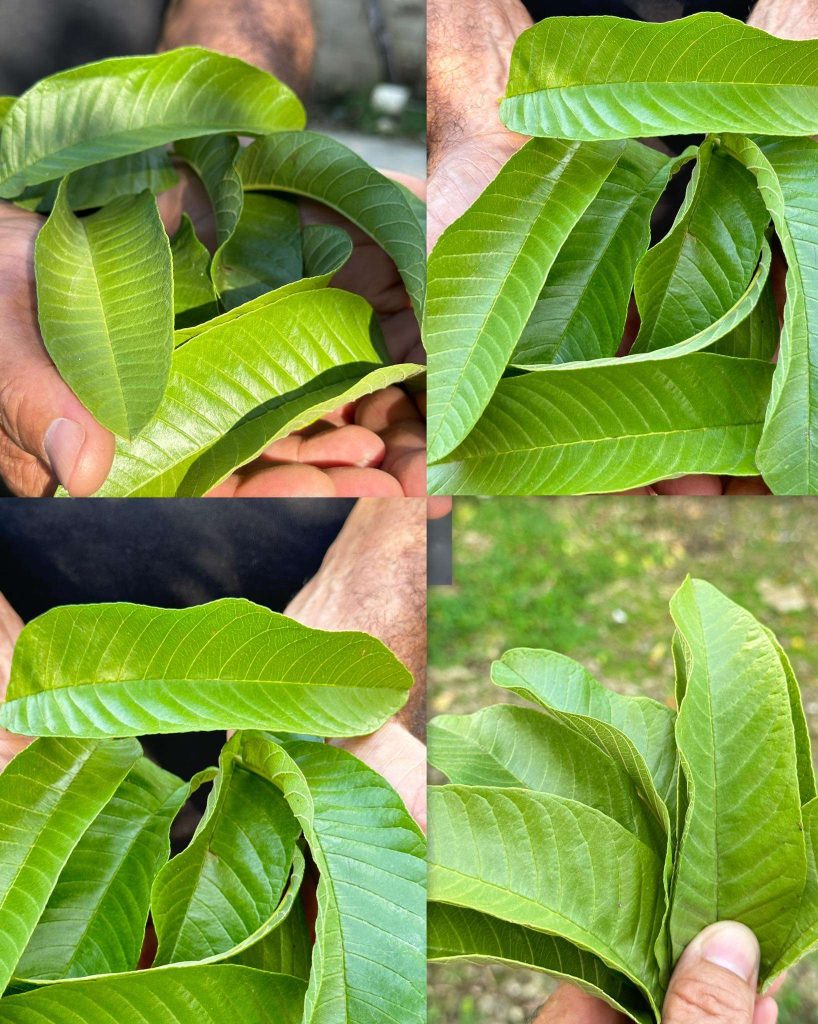
Have you ever glanced at a guava tree and focused only on its delicious fruit? 🌳 While the sweet, fragrant guava is undoubtedly a tropical treasure, a hidden gem often goes unnoticed: its leaves. For centuries, traditional medicine systems across the globe have harnessed the power of guava leaves (Psidium guajava), and modern science is now catching up, validating their impressive health benefits. This article delves deep into the remarkable advantages of these simple leaves, transforming them from garden waste to a cornerstone of natural wellness. Let's explore how incorporating guava leaves into your routine can support everything from blood sugar management to glowing skin.
Espanol
Beyond the Fruit: An Introduction to Guava Leaf Power
Guava leaves are packed with potent bioactive compounds, including flavonoids (like quercetin), carotenoids, polyphenols, and essential oils. These compounds are responsible for the leaves' strong antioxidant, anti-inflammatory, antimicrobial, and tannin-rich properties. Unlike the fruit, the leaves have a subtly bitter, herbal taste, which is why they are most commonly consumed as a tea or used in topical applications. Their therapeutic use is documented in Ayurvedic, Chinese, and African folk medicine, primarily for gastrointestinal issues and wound healing. Today, research supports a much wider range of applications, making them a versatile and accessible natural remedy.
Unpacking the Key Health Benefits of Guava Leaves 🍃
The benefits of guava leaves are extensive and impact multiple body systems. Here, we break down the most significant, evidence-backed advantages.
1. Blood Sugar Regulation: This is one of the most celebrated benefits. Compounds in guava leaves inhibit the absorption of certain types of sugars (like maltose and sucrose) in the intestine. More importantly, they help improve insulin sensitivity and resistance. Drinking guava leaf tea after meals may help prevent blood sugar spikes, making it a valuable supportive tool for individuals with diabetes or prediabetes. Always consult with a healthcare provider alongside prescribed treatments.
2. Digestive Health Champion: The antimicrobial and anti-inflammatory properties of the leaves make them excellent for gut health. They can help combat harmful bacteria like Salmonella and E. coli while soothing the intestinal lining. For diarrhea or stomach upset, a strong guava leaf tea can provide relief due to its astringent tannins, which help reduce fluid secretion and inflammation. 🌿
3. Heart Health Support: By helping to lower "bad" LDL cholesterol and triglycerides, and potentially raising "good" HDL cholesterol, guava leaves contribute to cardiovascular wellness. Their high potassium content helps regulate blood pressure, while their antioxidants protect blood vessels from oxidative damage, reducing the risk of atherosclerosis.
4. Weight Management Aid: Guava leaf tea is a calorie-free, hydrating beverage that can support weight loss efforts. It helps prevent complex carbohydrates from breaking down into sugars, which the body uses for energy or stores as fat. Swapping sugary drinks for guava leaf tea is a simple, effective step toward reducing overall calorie and sugar intake.
5. Boosts Immunity and Fights Inflammation: The high concentration of vitamin C and flavonoids, particularly quercetin, strengthens the immune system. The anti-inflammatory action can help alleviate symptoms of allergies, arthritis, and general joint pain. Think of it as your internal cooling system. ❄️
Practical Applications: How to Use Guava Leaves
Knowing the benefits is one thing; applying them is another. Here are safe and effective ways to integrate guava leaves into your health regimen.
Guava Leaf Tea (Infusion): The most common method. Use 3-5 fresh, clean leaves (or 1 tablespoon of dried leaves) per cup of boiling water. Steep for 5-10 minutes, strain, and enjoy. You can drink 1-3 cups daily. For a more potent extract, boil the leaves for 10-15 minutes.
Topical Uses for Skin & Hair: The antimicrobial and astringent properties are great for skin. A cooled tea or crushed leaf paste can be applied to acne, minor wounds, or insect bites to promote healing. Rinsing hair with guava leaf tea may help reduce dandruff and strengthen hair follicles, preventing hair loss. ✨
Important Note: While generally safe, pregnant or breastfeeding women and individuals on medication (especially for diabetes or blood thinning) should consult a doctor before regular consumption. Start with small amounts to ensure you have no adverse reactions.
Conclusion: Embracing Nature's Pharmacy
Guava leaves are a prime example of how profound healing can come from the most humble parts of a plant. From regulating metabolic health to soothing digestion and enhancing skin, their multifaceted benefits are backed by both tradition and emerging science. By incorporating guava leaf tea into your daily routine or using it topically, you tap into an ancient, natural source of wellness. Remember, the key is consistency and viewing it as a complement to a balanced lifestyle, not a magic cure. Why not forage some fresh leaves (or purchase dried ones) and brew your first cup today? Your journey to discovering this simple yet powerful natural remedy starts now. 🌱
Deja una respuesta