Benefits of Guava Leaves
 Espanol
Espanol
Unlocking the Power of the Humble Guava Leaf 🍃
When we think of the guava tree, our minds often jump straight to its delicious, vitamin-C-rich fruit. However, hiding in plain sight is an even greater powerhouse of wellness: the guava leaf. 🌳 For centuries, these unassuming leaves have been a cornerstone in traditional medicine systems across the tropics, and modern science is now catching up to validate their incredible benefits. This article delves deep into the multifaceted advantages of guava leaves, offering you a comprehensive guide to harnessing their potential for your health and well-being. Let's explore why these leaves deserve a prime spot in your natural health toolkit.
A Treasure Trove of Bioactive Compounds 🔬
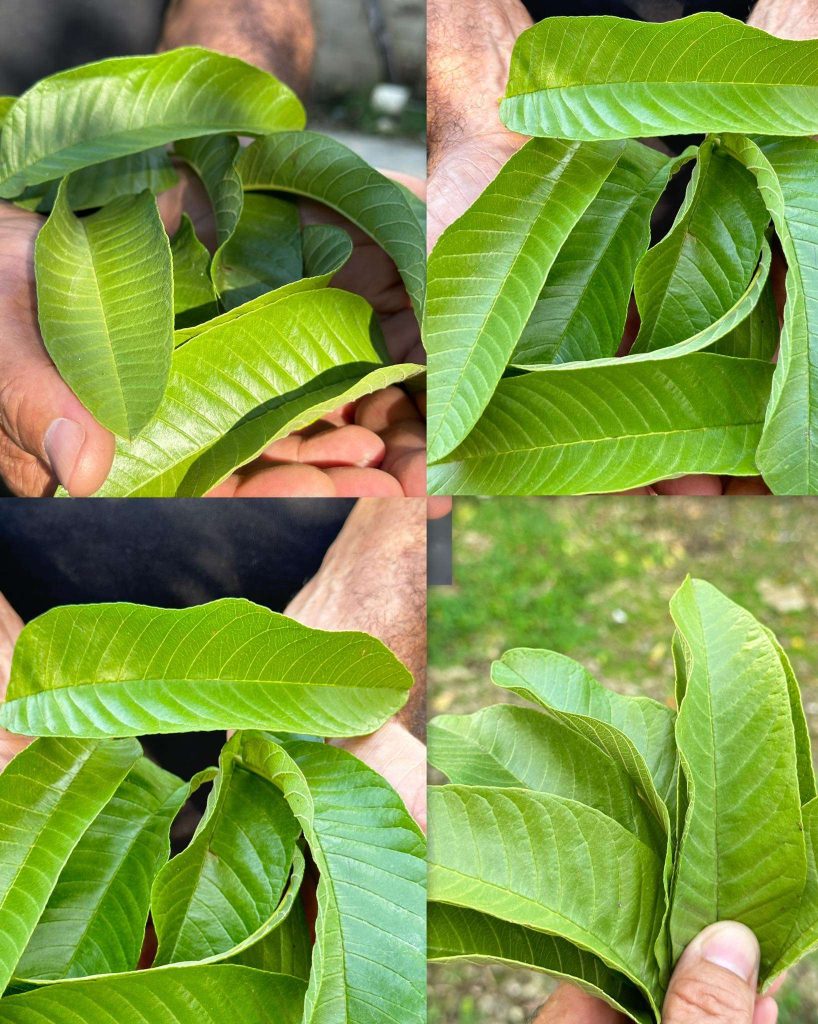
Guava leaves (Psidium guajava) are packed with a formidable arsenal of beneficial compounds. They are exceptionally rich in powerful antioxidants like quercetin, flavonoids, and tannins, which combat oxidative stress and cellular damage. Furthermore, they contain essential anti-inflammatory agents and possess significant antimicrobial properties. This potent phytochemical profile is the foundation for their wide-ranging health applications, making them much more than just simple foliage.
Top Health Benefits of Guava Leaves Explored
The applications of guava leaves are surprisingly diverse, targeting everything from metabolic health to skincare.
1. Blood Sugar Regulation and Diabetes Support 🩸
One of the most well-researched benefits is their positive effect on blood glucose levels. Compounds in the leaves inhibit the absorption of certain types of sugars in the bloodstream, such as maltose and sucrose. Regular consumption of guava leaf tea, especially after meals, can help manage postprandial blood sugar spikes. This makes it a valuable, natural adjunct for those managing prediabetes or type 2 diabetes, though it should never replace prescribed medication without consulting a doctor.
2. Digestive Health and Relief from Discomfort 🤢
Guava leaves are a traditional remedy for a variety of digestive issues. Their antimicrobial properties can help combat harmful bacteria like Salmonella and E. coli, potentially reducing the risk of foodborne illnesses. More commonly, a warm tea made from the leaves is highly effective in soothing stomach aches, reducing episodes of diarrhea, and easing symptoms of gastritis. The leaves' anti-spasmodic quality helps calm intestinal cramping.
3. Heart Health and Cholesterol Management ❤️
Supporting cardiovascular wellness is another key benefit. The antioxidants in guava leaves help protect the heart from oxidative damage. More notably, studies suggest that long-term intake of guava leaf extract can help lower "bad" LDL cholesterol and triglycerides while raising "good" HDL cholesterol. This lipid-regulating effect, combined with a mild blood pressure-lowering potential, contributes to a healthier cardiovascular system.
4. Weight Management Aid ⚖️
For those on a weight management journey, guava leaf tea can be a helpful companion. It works by preventing complex carbohydrates from being converted into simple sugars, which the body uses for energy or stores as fat. Drinking this tea can help curb cravings and create a feeling of fullness, supporting your dietary efforts naturally.
5. Skin and Hair Health Glow-Up ✨
The benefits extend to external beauty as well. Crushed leaves applied topically can accelerate the healing of wounds, bruises, and minor skin infections due to their antiseptic qualities. For hair care, boiling the leaves into a potent rinse and massaging it into the scalp can combat dandruff, strengthen hair roots, and prevent hair loss, thanks to its nutrient-rich composition.
How to Use Guava Leaves: Practical Methods and Tips
Incorporating guava leaves into your routine is simple and cost-effective. Here are the most common methods:
Guava Leaf Tea: This is the most popular method. Simply wash 5-10 fresh leaves (or use 1 tablespoon of dried leaves), add to a pot with about 2 cups of water, and boil for 10-15 minutes. Strain and enjoy. You can add honey, ginger, or lemon for flavor. 🍵
Topical Applications: For skin issues, create a poultice by crushing fresh, clean leaves into a paste and applying it directly to the affected area. For a hair rinse, boil a large handful of leaves in a liter of water for 20 minutes, let it cool, and use it as a final rinse after shampooing.
Extract and Supplements: For concentrated benefits, standardized extracts are available in capsule or liquid form. Always choose reputable brands and follow dosage instructions carefully. It's crucial to consult with a healthcare professional before starting any new supplement regimen, especially if you have underlying health conditions or are on medication.
Important Considerations and Safety Notes ⚠️
While guava leaves are generally safe for most people, moderation is key. Excessive consumption may lead to stomach irritation or constipation in some individuals. Pregnant and breastfeeding women should exercise caution and seek medical advice before use. Most importantly, individuals with hypoglycemia (low blood sugar) or those scheduled for surgery should avoid guava leaf products, as they may further lower blood sugar levels and interfere with blood sugar control during and after surgical procedures.
Conclusion: Embracing a Leaf of Life
In summary, the guava leaf stands out as a remarkably versatile and potent natural remedy. From offering robust support for metabolic and digestive health 🩺 to enhancing the beauty of your skin and hair 💆, its benefits are backed by both tradition and growing scientific evidence. By integrating guava leaf tea into your daily routine or using it for targeted topical applications, you can tap into an accessible source of wellness. Remember, the journey to health is holistic—guava leaves are a powerful ally, but they work best alongside a balanced diet, regular exercise, and professional medical guidance. Start exploring the gentle power of this "leaf of life" today and experience its multifaceted gifts for yourself. 🌟
Deja una respuesta