Benefits of Guava Leaves
 Espanol
Espanol
Espanol
In the vast world of natural wellness, some superstars like turmeric or ginger often steal the spotlight 🌟. Meanwhile, the humble guava leaf, often discarded without a second thought, quietly holds a treasure trove of health benefits. This article delves deep into the science and traditional wisdom behind guava leaves, moving beyond the common knowledge to explore how this accessible plant can be a powerful ally for your health, skin, and home. Let's uncover the practical, evidence-backed advantages of incorporating guava leaves into your routine.
More Than Just a Tree: The Potent Profile of Guava Leaves
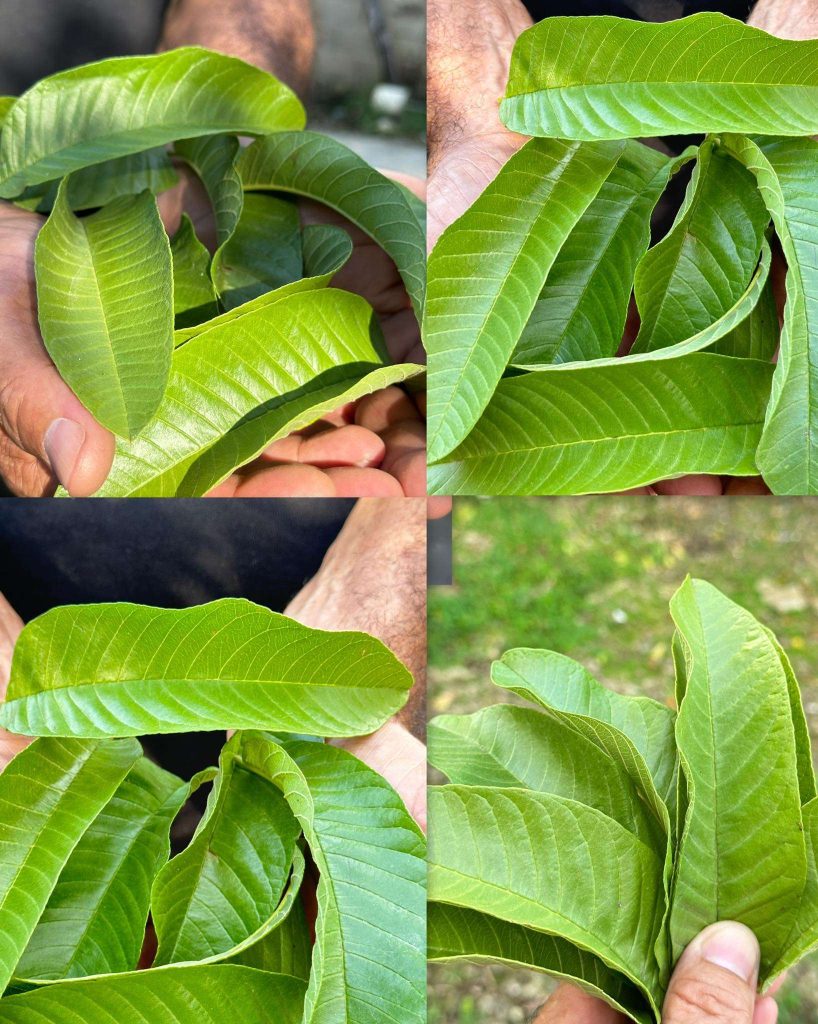
Guava leaves (Psidium guajava) are rich in powerful antioxidants like quercetin, flavonoids, and vitamin C. They also possess significant anti-inflammatory, antimicrobial, and astringent properties. Unlike the fruit, the leaves have a distinct, slightly bitter profile and are typically used to make tea, extracts, or topical pastes. Their therapeutic potential has been recognized in Ayurvedic and traditional medicine for centuries, and modern research is now validating many of these uses.
Digestive Health: A Soothing Solution 🫖
One of the most celebrated uses of guava leaf tea is for gastrointestinal relief. The leaves contain compounds that can inhibit the growth of harmful bacteria like Staphylococcus aureus and Salmonella while being gentle on beneficial gut flora. Drinking a warm cup of guava leaf tea can effectively alleviate symptoms of diarrhea, dysentery, and food poisoning. Furthermore, their anti-spasmodic properties help calm stomach cramps and bloating, promoting overall digestive comfort and regularity.
Blood Sugar Management: Supporting Metabolic Balance 📊
Emerging research presents guava leaf tea as a promising adjunct for blood sugar regulation. Compounds in the leaves inhibit certain enzymes that convert carbohydrates into glucose in the bloodstream, potentially preventing post-meal sugar spikes. Several studies suggest that regular consumption of guava leaf tea may improve insulin resistance and lower blood sugar levels in individuals with type 2 diabetes. However, it is crucial to consult with a healthcare provider before using it as part of a management plan, as it may interact with medications.
A Friend to Your Skin and Hair ✨
The benefits of guava leaves extend powerfully to topical applications. Their antimicrobial and anti-inflammatory nature makes them excellent for treating acne, blackheads, and skin allergies. A simple homemade toner, made by steeping leaves in hot water and letting it cool, can help reduce redness and prevent breakouts. For hair care, a decoction of guava leaves can be used as a final rinse to strengthen hair follicles, combat dandruff, and even slow down premature graying due to its copper content.
Immune Booster and Cold Remedy 🛡️
Packed with vitamin C and immune-boosting antioxidants, guava leaves help fortify the body's natural defenses. Drinking guava leaf tea at the first sign of a sore throat or cough can provide relief, thanks to its ability to loosen mucus and soothe inflamed respiratory tracts. The leaves also have mild fever-reducing (antipyretic) properties, making them a holistic supportive remedy during common colds and flu.
Oral Health and Fresh Breath 😁
Forget expensive mouthwashes for a moment. The astringent and anti-bacterial qualities of guava leaves make them phenomenal for oral hygiene. Chewing on a tender, clean guava leaf or using a mouth rinse made from leaf-infused water can reduce gum inflammation, soothe mouth ulcers, and combat the bacteria that cause plaque and bad breath. It's a natural, effective way to maintain a healthy smile.
Heart Health and Cholesterol Support ❤️
The antioxidants in guava leaves, particularly quercetin, contribute to cardiovascular health. They help protect the heart by preventing the oxidation of LDL ("bad") cholesterol, a key step in the formation of arterial plaque. Regular intake of guava leaf tea may also help lower blood pressure and triglycerides, supporting overall circulatory function and reducing long-term heart disease risk factors.
Practical Guide: How to Use Guava Leaves at Home
Harnessing these benefits is simple and economical.
- For Tea: Wash 5-10 fresh leaves (or use 1 tbsp dried). Boil in 1-2 cups of water for 10 minutes. Strain and enjoy. Add honey or lemon to taste.
- For Topical Skin Toner: Follow the tea recipe, let it cool completely, and apply to the face with a cotton pad. Store in the refrigerator for up to 3 days.
- For Hair Rinse: Boil a handful of leaves in a liter of water for 20 minutes. Cool, strain, and use as a final rinse after shampooing.
- For Chewing: Select young, tender leaves, wash thoroughly, and chew gently to release the juice for oral benefits.
Always source leaves from trees not treated with pesticides.
Conclusion: Embracing a Natural Powerhouse
From digestive aid to a skin savior, the guava leaf proves that true wellness often grows in our own backyards 🌿. Its wide-ranging, scientifically-supported benefits make it more than just folklore; it's a practical, versatile tool for natural health. While not a substitute for professional medical advice or treatment, incorporating guava leaves can be a simple, supportive step toward holistic well-being. We encourage you to try a cup of guava leaf tea or a skin rinse and experience firsthand the remarkable potential of this often-overlooked gift from nature.
Deja una respuesta