Benefits of Guava Leaves
 Espanol
Espanol
Unlocking Nature's Pharmacy: The Remarkable Benefits of Guava Leaves 🌿
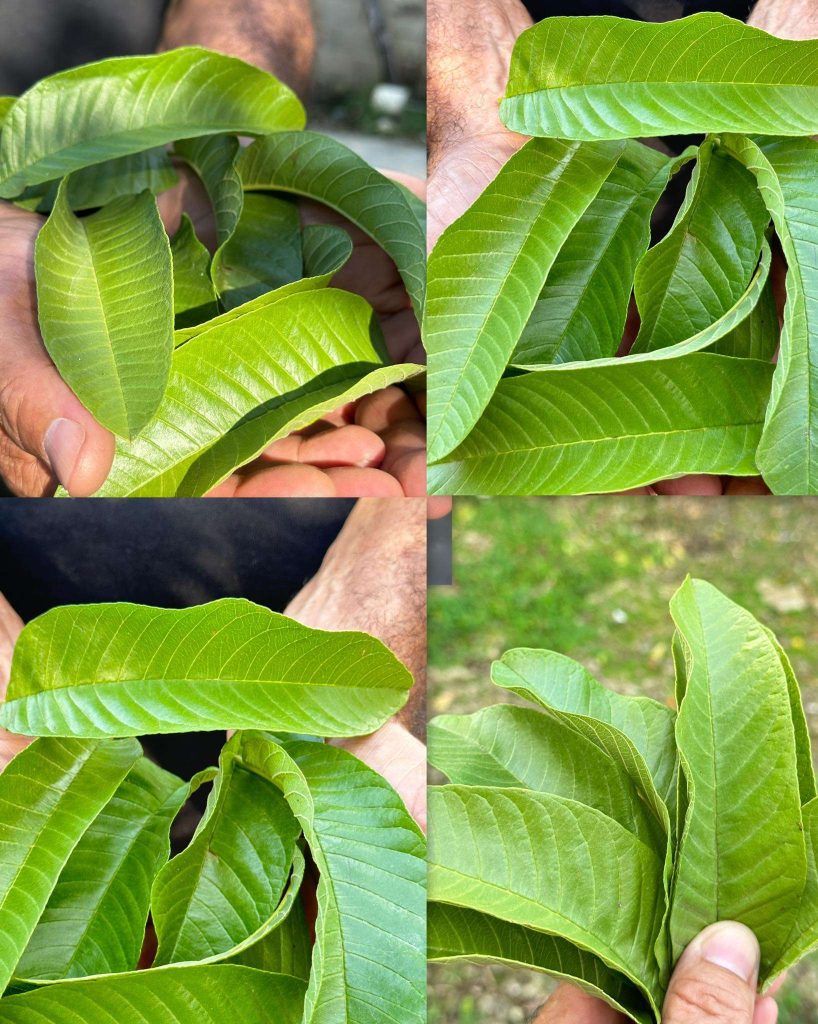
Often overshadowed by the sweet, fragrant fruit they bear, guava leaves are a powerhouse of wellness hiding in plain sight. While the guava fruit rightfully enjoys its superfood status, the leaves of the Psidium guajava tree have been a cornerstone of traditional medicine across tropical regions for centuries. Packed with antioxidants, anti-inflammatory compounds, and essential nutrients, these humble leaves offer a surprising array of health benefits. This article will delve beyond the surface, exploring the science and practical applications behind guava leaves, transforming them from garden waste into a valuable addition to your wellness toolkit.
Digestive Health & Weight Management Support 🫖
Guava leaves are renowned for their positive impact on the gastrointestinal system. They possess strong antibacterial properties that can help combat harmful gut pathogens like Salmonella and E. coli, potentially reducing foodborne illnesses. More commonly, a warm tea made from the leaves is an excellent remedy for digestive discomfort. The bioactive compounds help inhibit excessive digestive enzyme activity, which can alleviate symptoms of diarrhea and soothe an upset stomach. Furthermore, for those on a weight management journey, guava leaf tea can be a helpful ally. Studies suggest it may prevent complex carbohydrates from breaking down into sugars, promoting a feeling of fullness and potentially reducing cravings. For a simple digestive tea, steep 4-5 fresh, washed leaves in hot water for 5-10 minutes.
Blood Sugar Regulation and Diabetic Aid 📉
This is one of the most researched and promising benefits of guava leaves. Several studies indicate that consuming guava leaf tea can help lower blood glucose levels after meals. The mechanism is believed to be two-fold: the leaves inhibit the absorption of sucrose and maltose, and they may improve insulin sensitivity. The high antioxidant content also helps combat oxidative stress, a key concern for individuals with diabetes. While not a replacement for prescribed medication, incorporating unsweetened guava leaf tea can be a beneficial complementary practice under medical guidance. The anti-glycation properties further help protect against diabetic complications.
Heart Health and Cholesterol Control ❤️
Supporting cardiovascular health is another crucial benefit. The leaves are rich in potassium and powerful antioxidants like vitamin C and flavonoids. These components work together to help lower "bad" LDL cholesterol and triglycerides while supporting "good" HDL cholesterol levels. Potassium is a vasodilator, helping to relax blood vessels and improve blood flow, which can contribute to maintaining healthy blood pressure. Regular consumption of the leaf extract or tea may contribute to a reduced risk of atherosclerosis and other cardiovascular diseases by protecting the heart from oxidative damage.
Skin, Hair, and Anti-Aging Properties ✨
Your external beauty can benefit greatly from guava leaves' internal and topical use. The potent antibacterial and anti-inflammatory traits make a crushed leaf poultice or a toner from boiled leaves effective against acne, blackheads, and skin redness. The antioxidants, including vitamin C, stimulate collagen production, aiding in skin elasticity and fighting wrinkles. For hair care, boiling the leaves into a cooling rinse can combat dandruff, strengthen hair follicles, and prevent hair loss due to its nutrient density. Apply cooled guava leaf tea to your scalp after shampooing, massage gently, and rinse after 10-15 minutes for stronger, shinier hair.
Immune Boosting and Anti-Cancer Potential 🛡️
The impressive concentration of vitamin C in guava leaves—often higher than in the fruit itself—is a major immune system booster, enhancing the body's ability to ward off infections. Beyond this, the lycopene, quercetin, and other polyphenols present exhibit significant anticancer properties in laboratory studies. These compounds work as powerful antioxidants, neutralizing free radicals and have shown potential in inhibiting the growth of various cancer cells, particularly those of the prostate, stomach, and oral cancers. While more human research is needed, including antioxidant-rich foods and botanicals like guava leaves is a proactive step for cellular health.
Practical Ways to Incorporate Guava Leaves into Your Routine 🍃
To harness these benefits, here are simple, effective methods:
- Herbal Tea: The most common method. Use 4-6 fresh or dried leaves per cup. Steep in boiling water for 5-10 minutes. Strain and enjoy. You can add a dash of honey or lemon for flavor.
- Topical Application: For skin issues, crush fresh leaves into a paste and apply directly to affected areas, or use the cooled tea as a facial toner.
- Supplemental Extract: Guava leaf extract is available in capsule or tincture form. Always choose reputable brands and consult a healthcare provider for dosage.
- Culinary Use: Young, tender leaves can be blanched and added to smoothies or juices for a nutrient kick without altering flavor significantly.
Remember, source organic leaves whenever possible to avoid pesticide residue, especially if consuming regularly.
Conclusion: A Leaf Worth Exploring
From stabilizing blood sugar and aiding digestion to enhancing skin radiance and protecting the heart, the benefits of guava leaves are both vast and impressive. 🌟 This natural remedy stands as a testament to the idea that sometimes the most potent medicines are found not in a lab, but in our backyards. While they are generally safe for most people, it's prudent to start with small amounts, especially if you have underlying health conditions or are pregnant. We encourage you to look at the guava tree with new eyes—not just as a fruit bearer, but as a holistic wellness partner. Incorporating guava leaf tea into your daily or weekly routine could be a simple, natural step toward a healthier, more balanced life.
Deja una respuesta