Benefits of Guava Leaves
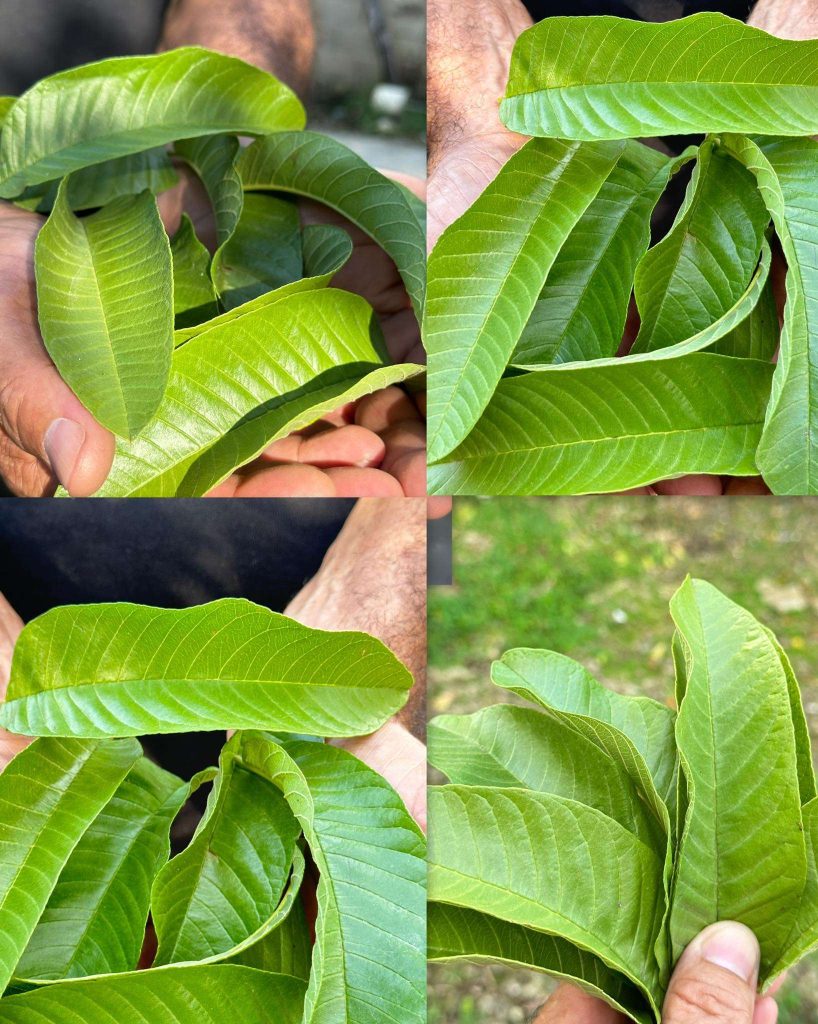
The Hidden Treasure in Your Backyard: An Introduction to Guava Leaves 🌿
 Espanol
Have you ever passed by a guava tree and admired only its fruit? You're not alone. Most of the world overlooks the vibrant green leaves, unaware of the potent health secrets they hold. While the sweet, fragrant guava fruit rightfully earns its "superfruit" status, its leaves are a parallel universe of wellness, steeped in traditional medicine and now validated by modern science. This article delves deep into the remarkable benefits of guava leaves, transforming them from garden debris into a cornerstone of your natural health toolkit. We'll explore their nutritional power, practical applications, and how you can easily harness their potential for a healthier life.
Espanol
A Powerhouse of Bioactive Compounds 🧪
Guava leaves (Psidium guajava) are not just simple leaves; they are a dense, natural pharmacy. Their potency comes from a rich and complex blend of bioactive compounds. They are exceptionally high in antioxidants, particularly flavonoids like quercetin, and vitamins such as Vitamin C and Vitamin A. Furthermore, they contain powerful anti-inflammatory agents like quercetin and guaijaverin, along with essential antibacterial and antimicrobial compounds. This unique phytochemical profile is what gives guava leaves their wide-ranging therapeutic properties, acting as a natural shield against various ailments and promoting overall systemic health from within.
Digestive Health & Weight Management Support 🫖
One of the most celebrated uses of guava leaf tea is for digestive wellness. The leaves possess strong anti-diarrheal and antimicrobial properties that can help soothe upset stomachs, reduce abdominal pain, and inhibit the growth of harmful bacteria like Staphylococcus aureus. For those managing their weight, guava leaf extract can be a valuable ally. Studies suggest it may help prevent complex carbohydrates from breaking down into sugars, potentially reducing blood sugar spikes and curbing appetite. A warm cup of guava leaf tea after a meal can thus aid in both digestion and metabolic balance.
Blood Sugar Regulation: A Natural Aid 🩸
Emerging research positions guava leaf tea as a promising complementary approach for blood sugar management. Several compounds in the leaves appear to improve insulin sensitivity and inhibit the absorption of certain types of sugar in the gut. Drinking guava leaf tea may help lower blood glucose levels after meals. While it is not a replacement for prescribed medication, incorporating it into a balanced diet and healthy lifestyle can provide supportive benefits. As always, consulting with a healthcare provider before using it for this purpose is crucial, especially for individuals on diabetes medication.
Skin, Hair, and Oral Health Elixir ✨
The benefits of guava leaves extend powerfully to external applications. Their antibacterial and anti-inflammatory nature makes them excellent for skin and hair care. A cooled guava leaf tea rinse can combat acne, reduce skin irritation, and slow down signs of aging due to its antioxidant content. For hair, it may strengthen follicles and combat dandruff. Don't forget your oral health! Chewing on clean, young guava leaves or using a leaf-infused mouthwash has been a traditional remedy for relieving toothache, gum inflammation, and mouth ulcers thanks to its analgesic and antimicrobial effects.
Heart Health and Cholesterol Guardian ❤️
Supporting your cardiovascular system is another profound benefit. The high potassium and soluble fiber content in guava leaves contribute to healthy blood pressure levels. More importantly, regular consumption of guava leaf tea may help improve your lipid profile by reducing "bad" LDL cholesterol and triglycerides while not harming "good" HDL cholesterol. This dual action on blood pressure and cholesterol makes it a simple, dietary habit for long-term heart health maintenance.
How to Use Guava Leaves: Practical Tips 🍵
Harnessing these benefits is surprisingly simple. The most common method is to make a healing tea. Simply wash 5-10 fresh leaves (or use 1 tablespoon of dried leaves), gently crush them to release their oils, and steep in a cup of hot water for 5-10 minutes. Strain and enjoy. You can also create a topical paste for skin issues by grinding fresh leaves with a little water. For a hair rinse, boil a handful of leaves in a liter of water for 20 minutes, let it cool, and use it after shampooing. Remember to source leaves from organic, pesticide-free trees.
Conclusion: Embracing Nature's Versatile Gift 🌟
From aiding digestion and regulating blood sugar to enhancing your skin and protecting your heart, the humble guava leaf proves to be a multifaceted champion of natural health. Its transition from a traditional remedy to a subject of scientific interest underscores its significant potential. While it is generally safe for most people, moderation is key, and it should complement, not replace, professional medical advice for specific conditions. We invite you to look at the guava tree with new eyes—not just as a source of delicious fruit, but as a reservoir of powerful leaves ready to brew your way to better health. Start by trying a simple cup of guava leaf tea and experience its gentle, nurturing benefits for yourself.
Deja una respuesta