Benefits of Guava Leaves
 Espanol
Welcome to a deep dive into one of nature's most underrated treasures! 🌿 While guava fruit is widely celebrated for its delicious taste and vitamin C content, its leaves have been quietly used in traditional medicine across the globe for centuries. Often overlooked, these aromatic leaves pack a powerful punch of health benefits. This article will explore the science and practical applications behind guava leaves, transforming them from simple foliage into a cornerstone of your natural wellness toolkit. Let's unlock their potential together!
Espanol
Introduction: More Than Just a Leaf 🍃
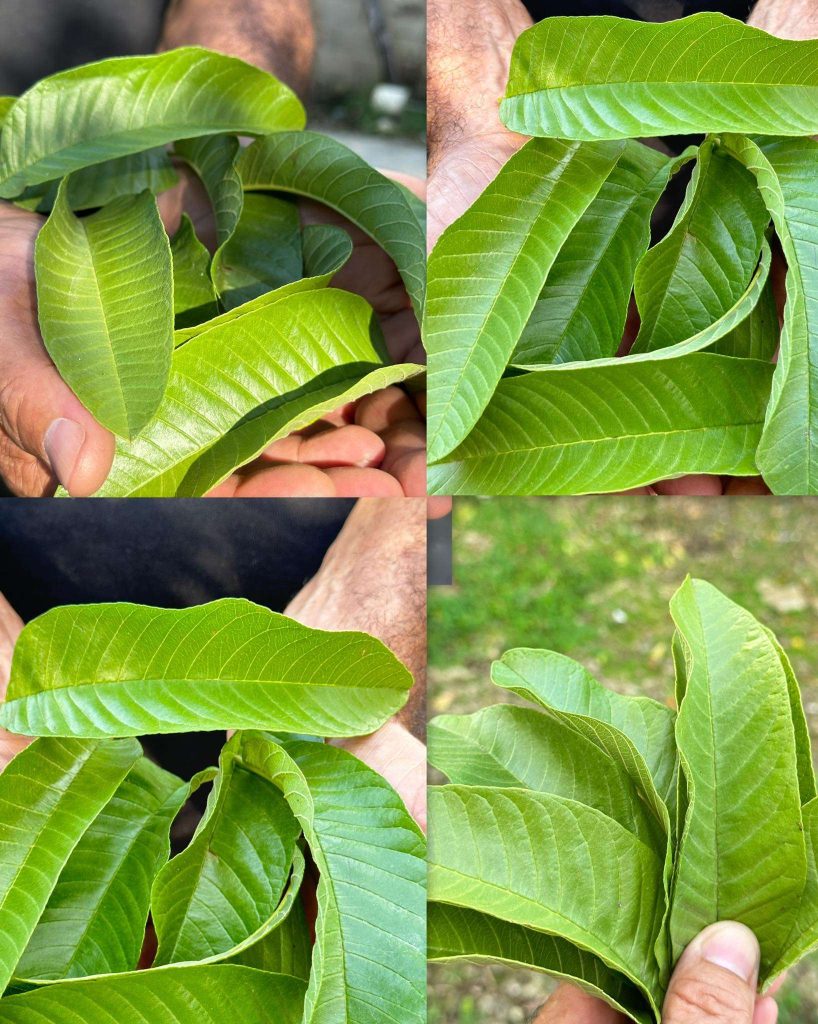
Guava leaves, derived from the Psidium guajava tree, are a rich source of antioxidants, including flavonoids like quercetin, as well as essential oils and anti-inflammatory compounds. Unlike the fruit, the leaves offer a concentrated form of these beneficial substances without the natural sugars. Their use spans from ancient Ayurvedic practices to modern herbal supplements, indicating a timeless trust in their efficacy. This article aims to move beyond the surface, providing you with a comprehensive guide to their benefits and practical ways to incorporate them into your daily life.
Digestive Health & Gut Support 🤢➡️🤗
One of the most well-documented benefits of guava leaves is their positive impact on the digestive system. They possess strong antimicrobial and anti-inflammatory properties that can help combat harmful gut bacteria like Staphylococcus aureus and E. coli, which are often responsible for food poisoning and digestive upset. Drinking guava leaf tea can soothe the stomach lining, reducing symptoms of gastritis and acid reflux. Furthermore, their astringent qualities make them an effective, natural remedy for acute diarrhea and dysentery by inhibiting microbial growth and reducing intestinal inflammation. For a quick digestive reset, try a warm cup of guava leaf tea after meals.
A Natural Ally for Blood Sugar Management 📉
Emerging research points to guava leaf extract as a promising agent for managing blood sugar levels. Compounds in the leaves inhibit the absorption of certain types of sugars (like maltose and sucrose) in the intestine and improve insulin sensitivity. Several studies have shown that drinking guava leaf tea can lead to a significant reduction in blood glucose levels after meals. While not a replacement for prescribed medication, it can be a valuable complementary dietary strategy for those managing pre-diabetes or type 2 diabetes. Always consult with your healthcare provider before making significant changes to your health regimen. 💉
Boosting Heart Health & Circulation ❤️
Your cardiovascular system can also benefit from guava leaves. The high levels of potassium and soluble fiber contribute to lowering bad LDL cholesterol and blood pressure, two major risk factors for heart disease. The antioxidants combat oxidative stress, which damages blood vessels and leads to atherosclerosis (hardening of the arteries). By helping to relax blood vessels and improving overall blood lipid profiles, guava leaves support long-term heart health and circulation. Consider it a heart-smart addition to a balanced diet.
Skin, Hair, and Anti-Aging Benefits ✨
The antioxidant power of guava leaves isn't just internal; it offers remarkable topical benefits. The leaves contain vitamin C and compounds like lycopene that protect the skin from free radical damage, slowing down the appearance of wrinkles and fine lines. Their anti-inflammatory and antimicrobial properties make a cooled guava leaf tea rinse or paste an excellent remedy for acne, blackheads, and skin irritation. For hair, a scalp rinse can help combat dandruff, strengthen hair follicles, and even potentially slow down hair loss. For a simple skin toner, steep leaves in hot water, let it cool, and apply with a cotton pad.
Immunity, Cold & Flu Relief 🦠
Packed with vitamin C and iron, guava leaves are fantastic for boosting the immune system. Vitamin C enhances iron absorption, which is crucial for immune cell function, while the leaves' inherent antimicrobial properties help your body fight off pathogens. Drinking guava leaf tea at the first sign of a sore throat or cough can provide relief—its anti-inflammatory action soothes the throat, and its expectorant qualities help loosen mucus. It's a comforting, natural way to support your body during cold and flu season. 🍵
How to Use Guava Leaves: Practical Tips
Incorporating guava leaves into your routine is simple. The most common method is to make a tea:
1. Tea: Wash 5-10 fresh leaves (or use 1 tablespoon of dried leaves). Crush them slightly to release oils, add to a cup of boiling water, cover, and steep for 5-10 minutes. Strain and enjoy. You can add honey or lemon for taste.
2. Topical Application: For skin or hair, prepare a stronger decoction by boiling a handful of leaves in a liter of water for 15-20 minutes. Let it cool completely before using as a rinse or compress.
3. Extract/Supplement: Commercially available capsules and liquid extracts offer a concentrated dose. Ensure you choose products from reputable sources and follow dosage instructions.
Important Note: While generally safe, pregnant or breastfeeding women and individuals on medication (especially for diabetes or blood thinning) should consult a doctor before regular use.
Conclusion: A Leaf Worth Exploring 🌟
As we have seen, guava leaves are far more than just tree foliage; they are a versatile, natural remedy with a broad spectrum of scientifically-backed benefits. From nurturing your digestive tract and managing blood sugar to enhancing your skin's radiance and fortifying your immune defenses, these humble leaves offer a holistic approach to wellness. By integrating guava leaf tea or topical applications into your routine, you harness centuries of traditional wisdom supported by modern research. We encourage you to explore this natural powerhouse—your journey to discovering its unique benefits for your health and vitality starts with a single leaf. 🍃
Deja una respuesta