Benefits of Guava Leaves
 Espanol
Espanol
Unlocking Nature's Pharmacy: The Remarkable Benefits of Guava Leaves 🍃
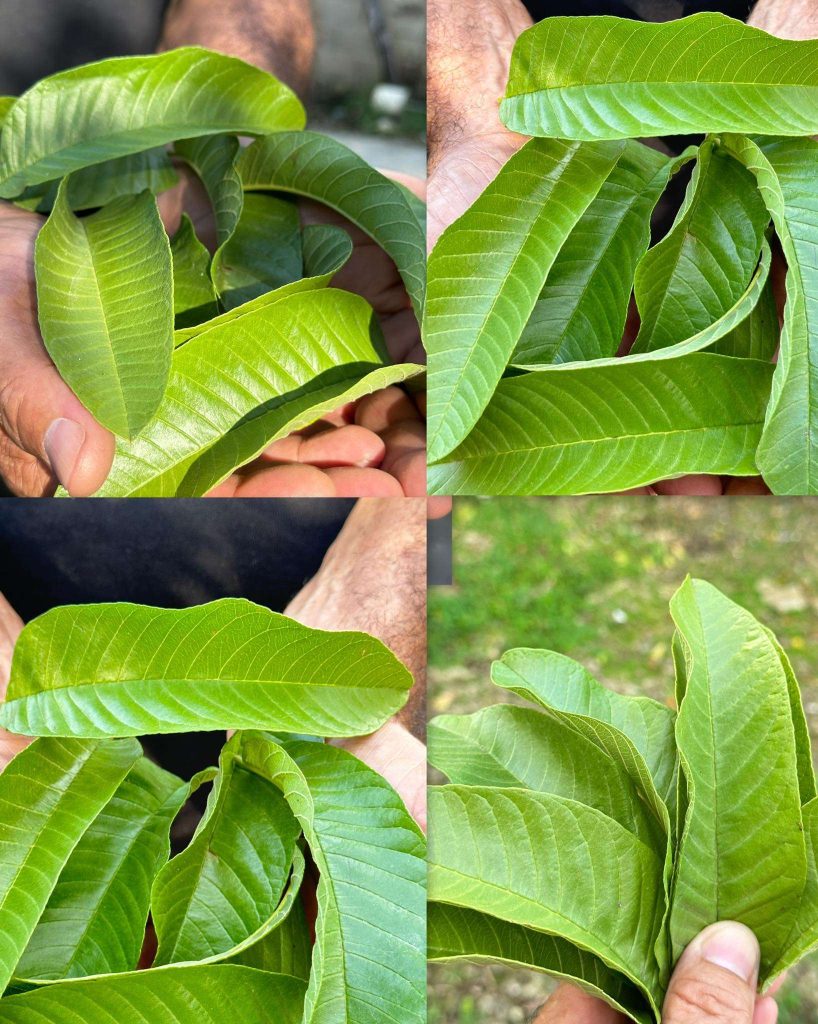
Often overshadowed by the beloved guava fruit, the humble guava leaf is a powerhouse of wellness hiding in plain sight. 🍐 For centuries, traditional medicine systems across the globe have harnessed the potent properties of these aromatic leaves. This article delves deep into the science-backed and practical benefits of guava leaves, transforming them from garden refuse into a cornerstone of your natural health toolkit. We'll explore their therapeutic compounds, diverse applications, and how you can easily integrate them into your daily routine for enhanced well-being.
Nature's Chemical Composition: What Makes Guava Leaves So Special? 🔬
Guava leaves (Psidium guajava) are rich in bioactive compounds like flavonoids (quercetin), tannins, saponins, and essential oils. They are also an excellent source of potent antioxidants, most notably vitamin C and lycopene. This unique blend of phytochemicals is responsible for their broad-spectrum medicinal properties, which include anti-inflammatory, antimicrobial, antidiabetic, and antispasmodic effects. Understanding this composition helps explain why a simple leaf can address issues from digestive upset to blood sugar management.
Digestive Health and Stomach Soothing 🤒
One of the most celebrated uses of guava leaves is for gastrointestinal relief. Their antimicrobial properties can help combat harmful bacteria like Staphylococcus aureus and E. coli, often responsible for food poisoning and diarrhea. The leaves' anti-spasmodic quality helps calm stomach cramps and bloating. For a quick remedy, a warm tea made from boiled guava leaves can soothe an upset stomach, reduce acidity, and promote healthy bowel movements. The high fiber content, though more present in the fruit, is complemented by the leaves' ability to inhibit certain digestive enzymes, aiding in more efficient nutrient absorption.
A Natural Ally in Blood Sugar Management 📉
Emerging research is particularly promising regarding guava leaves and diabetes management. Compounds in the leaves inhibit enzymes like alpha-glucosidase, which breaks down carbohydrates into sugar in the digestive tract. This action can lead to a slower absorption of glucose into the bloodstream, preventing dangerous sugar spikes after meals. 🩸 Several studies suggest that regularly drinking guava leaf tea may improve insulin sensitivity and lower blood sugar levels in people with type 2 diabetes. However, it is crucial to consult with a healthcare provider before using it as an adjunct therapy to avoid interactions with medication.
Radiant Skin and Healthy Hair Secrets ✨
The antioxidant and antimicrobial bounty of guava leaves translates beautifully into topical benefits. For skin, a cooled guava leaf decoction can be used as a facial toner to combat acne, reduce inflammation, and tighten pores, thanks to its astringent tannins. 🧴 For hair health, boiling the leaves into a potent rinse can strengthen hair follicles, combat dandruff, and potentially slow down hair loss by improving scalp circulation and reducing microbial activity. Applying a paste of crushed leaves directly to minor wounds or insect bites can also speed up healing and prevent infection.
Heart Health and Cholesterol Support ❤️
The heart-healthy potential of guava leaves is linked to their dual action on cholesterol and blood pressure. The soluble fiber and phytochemicals help the liver regulate LDL (the "bad" cholesterol) production. Furthermore, the leaves' potassium content and vasodilating effects can contribute to healthy blood pressure levels. Incorporating unsweetened guava leaf tea as part of a balanced diet may support cardiovascular function by promoting better lipid profiles and protecting blood vessels from oxidative stress.
How to Use Guava Leaves: Practical Preparation Methods ☕
To reap the benefits, you need to know how to prepare guava leaves correctly. The most common method is as a tea or decoction.
- For Tea: Wash 5-10 fresh, organic leaves (or use 1 tablespoon of dried leaves). Gently crush them to release oils. Steep in a cup of hot water for 5-10 minutes. Strain and enjoy. You can add a dash of honey or lemon for taste. 🍋
- For a Stronger Decoction: Boil a handful of leaves in 1 liter of water for 10-15 minutes. Let it cool. This concentrated liquid can be consumed in small doses (e.g., a cup daily), used as a skin toner, or as a hair rinse.
- Topical Paste: Grind fresh leaves with a little water into a fine paste for direct application on the skin.
Always source leaves from unsprayed trees or trusted suppliers to avoid pesticide contamination.
Important Precautions and Final Thoughts ⚠️
While guava leaves are generally safe for most people, moderation is key. Pregnant and breastfeeding women should avoid therapeutic doses due to a lack of comprehensive safety data. As mentioned, individuals with diabetes or those on medication (especially for blood sugar, blood pressure, or blood thinners) must seek medical advice first, as interactions are possible. Start with small amounts to see how your body reacts.
In conclusion, the guava tree truly gives the gift of health from root to fruit, with its leaves standing out as a versatile and potent natural remedy. 🌳 From calming your digestive system and supporting metabolic health to enhancing your skin and hair beauty rituals, guava leaves offer a simple, cost-effective, and natural path to complement your wellness journey. We encourage you to explore this ancient wisdom, backed by growing modern science, and consider integrating a cup of guava leaf tea into your routine. Your body might just thank you for discovering this leafy secret!
Deja una respuesta