Benefits of Guava Leaves
 Espanol
Espanol
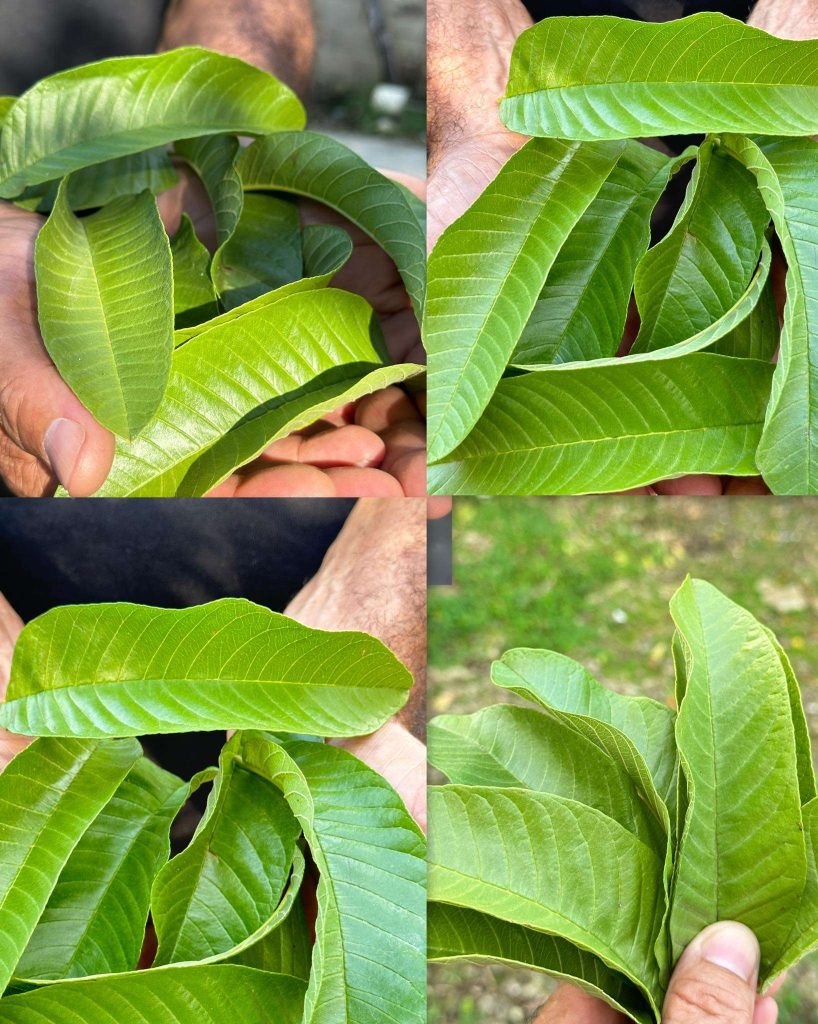
The Humble Powerhouse: Unveiling the Remarkable Benefits of Guava Leaves 🍃
Often overshadowed by its delicious fruit, the guava tree (Psidium guajava) holds a secret treasure in its foliage. 🌳 For centuries, guava leaves have been a cornerstone in traditional medicine systems across the tropics, and modern science is now catching up, validating their impressive health-promoting properties. This article delves deep into the science and practical applications of guava leaves, moving beyond superficial claims to explore how this natural remedy can contribute to your wellness routine. Get ready to discover why you should look beyond the fruit and give these versatile leaves the attention they deserve.
A Deep Dive into the Nutritional and Medicinal Profile 🔬
Guava leaves are a dense repository of bioactive compounds. They are exceptionally rich in powerful antioxidants like quercetin, flavonoids, and carotenoids, which combat oxidative stress—a key driver of aging and chronic diseases. Furthermore, they contain significant anti-inflammatory agents and essential vitamins, most notably Vitamin C, although in lower concentrations than the fruit itself. Perhaps their most celebrated property is their potent antimicrobial and antibacterial activity, effective against a wide range of pathogens, including those causing stomach and skin infections. This rich phytochemical cocktail is the foundation for their diverse health benefits.
Key Health Benefits Explored: From Blood Sugar to Skin Care
Let's break down the most significant, research-backed benefits of incorporating guava leaves into your health regimen.
Blood Sugar Regulation 🩸: This is one of the most well-studied benefits. Compounds in guava leaves inhibit certain enzymes that convert carbohydrates into glucose in the blood, leading to a more gradual sugar absorption. Drinking guava leaf tea after meals may help prevent blood sugar spikes, making it a valuable supportive tool for individuals managing diabetes or pre-diabetes, always under medical guidance.
Digestive Health Champion 🤢: The leaves' anti-microbial properties help neutralize harmful gut bacteria like E. coli and Staphylococcus, while their anti-inflammatory nature soothes the gut lining. For bouts of diarrhea or food poisoning, a strong decoction of guava leaves can reduce abdominal pain and shorten the duration of symptoms. They also possess mild anti-spasmodic properties, calming intestinal cramps.
Heart Health Support ❤️: By helping to regulate blood sugar and LDL ("bad") cholesterol levels, guava leaves contribute to cardiovascular protection. The potassium and soluble fiber in the leaves aid in managing blood pressure and preventing plaque buildup in the arteries. Consistent, long-term use as a tea may support overall circulatory health.
Skin and Hair Elixir ✨: Applied topically, crushed leaves or a strong tea wash can work wonders. Their antibacterial nature fights acne-causing bacteria, while their anti-inflammatory effects reduce redness and swelling. For wounds or bug bites, applying a poultice can prevent infection and speed up healing. When used as a final hair rinse, guava leaf tea is believed to strengthen hair follicles, combat dandruff, and add a healthy shine.
Weight Management Aid ⚖️: Guava leaves help prevent complex starches from being converted into sugars, which the body can store as fat. While not a magic solution, using the tea as part of a balanced diet and exercise plan can support metabolic efficiency and weight management goals.
Practical Guide: How to Use Guava Leaves at Home
Knowing the benefits is one thing; applying them is another. Here’s how to harness the power of guava leaves practically and safely.
- Guava Leaf Tea (Infusion): The most common method. Rinse 5-7 fresh leaves (or 1 tbsp dried) and place them in a cup. Pour boiling water over them, cover, and steep for 8-10 minutes. Strain and enjoy. For a stronger decoction, simmer the leaves in water for 15-20 minutes. You can drink 1-2 cups daily. Add honey or lemon for taste, but avoid sugar to maximize benefits.
- Topical Applications: For skin issues, boil a handful of leaves in water for 20 minutes, let it cool, and use the liquid as a face wash or to compress affected areas. For a hair rinse, use the cooled tea after your regular shampoo.
- Supplement Forms: Guava leaf extract is available in capsule or tincture form. If choosing this route, select reputable brands and strictly follow dosage instructions.
Crucial Safety Note: While generally safe, pregnant and breastfeeding women should consult a doctor before use. If you are on medication, especially for diabetes or blood pressure, consult your healthcare provider to avoid interactions. Always start with small amounts to assess tolerance.
Conclusion: A Testament to Nature's Pharmacy 🌿
Guava leaves stand as a powerful testament to the healing wisdom found in nature. From offering metabolic support and bolstering digestive health to enhancing skin vitality and protecting the heart, their range of benefits is broad and deeply rooted in both tradition and emerging science. Incorporating guava leaf tea into your daily routine is a simple, cost-effective step toward proactive wellness. However, it is vital to remember that it is a complementary support, not a replacement for a balanced diet, healthy lifestyle, or professional medical advice. Why not explore this natural powerhouse? Harvest or source some organic guava leaves, brew a warm cup of tea, and experience the gentle, nurturing benefits of this often-overlooked leaf for yourself. Your journey to natural wellness might just begin with a simple sip. ☕
Deja una respuesta