Benefits of Guava Leaves
 Espanol
Espanol
Unlocking Nature's Pharmacy: An Introduction to Guava Leaves
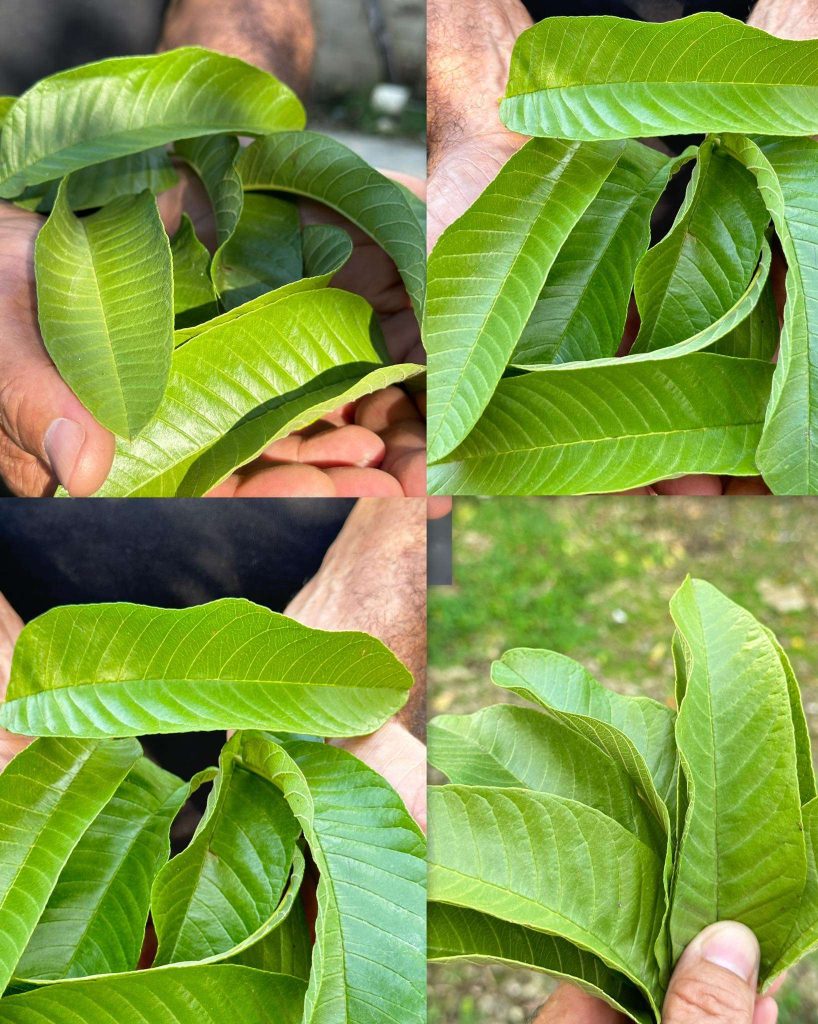
While the sweet, tangy fruit of the guava tree (Psidium guajava) is widely celebrated, its vibrant green leaves hold a secret 🤫. Often overlooked, these leaves are a powerhouse of nutrients and bioactive compounds, offering a myriad of health benefits that have been trusted in traditional medicine for centuries. This article delves deep into the science and practical applications behind guava leaves, transforming them from garden debris into a cornerstone of your natural wellness toolkit. We'll explore their impressive nutritional profile, detailed health advantages, and provide clear, actionable ways to incorporate them into your daily routine.
The Potent Profile: What Makes Guava Leaves Special? 🔬
Guava leaves are rich in antioxidants like quercetin and flavonoids, along with potent anti-inflammatory compounds such as tannins and saponins. They are also a notable source of essential vitamins (notably Vitamin C) and minerals. This unique combination is responsible for their broad-spectrum therapeutic properties, which range from metabolic support to dermatological care. Understanding this composition is key to appreciating their versatile applications.
Comprehensive Health Benefits Explored
Let's move beyond the surface and examine the specific, evidence-backed advantages of integrating guava leaves into your health regimen.
🎯 Blood Sugar Regulation & Diabetes Management
One of the most researched benefits is their positive effect on blood glucose levels. Compounds in the leaves inhibit the absorption of certain types of sugars in the bloodstream, such as maltose and sucrose. Regular consumption of guava leaf tea, especially after meals, may help prevent sharp spikes in blood sugar. This makes it a valuable, natural adjunct for those managing diabetes or insulin resistance, though it should not replace prescribed medication.
❤️ Heart Health and Cholesterol Control
The leaves contribute to cardiovascular wellness in two primary ways. First, the high antioxidant content helps protect LDL ("bad") cholesterol from oxidation, a key step in plaque formation. Second, studies suggest they can help lower triglycerides and harmful LDL cholesterol while supporting levels of beneficial HDL cholesterol. This holistic action supports healthier blood vessels and improved circulation.
💪 Digestive System Soother
Guava leaves possess strong antimicrobial and anti-inflammatory properties that target common digestive issues. They can inhibit the growth of harmful bacteria like Salmonella and E. coli, making them effective against foodborne illnesses and traveler's diarrhea. Furthermore, their anti-spasmodic qualities can relieve stomach cramps, bloating, and discomfort. A warm cup of guava leaf tea is a time-tested remedy for an upset stomach.
🛡️ Immune System & Anti-Inflammatory Powerhouse
The significant vitamin C content, coupled with immune-boosting flavonoids, enhances the body's natural defenses. More importantly, the anti-inflammatory agents in the leaves can help modulate the body's inflammatory response. This is beneficial for managing conditions like arthritis, reducing swelling, and accelerating recovery from minor injuries or infections. Think of it as internal reinforcement for your body's repair systems.
✨ Skin, Hair, and Oral Health Applications
The benefits extend topically as well. Crushed leaves or a strong decoction applied to the skin can combat acne due to their antimicrobial nature and promote wound healing. For hair, rinsing with guava leaf tea is believed to strengthen follicles, reduce hair loss, and combat dandruff. Chewing on clean, tender leaves or using the tea as a mouthwash can alleviate gum inflammation, toothache, and oral ulcers thanks to their analgesic and antibacterial effects.
Practical Guide: How to Use Guava Leaves at Home 🏡
Knowledge is powerless without application. Here are simple, effective methods to harness these benefits:
1. Guava Leaf Tea (Infusion): The most common method. Steep 5-10 fresh or dried leaves in hot water for 5-10 minutes. Strain and enjoy. You can add honey or lemon for taste. Drink 1-2 cups daily, preferably after meals for digestive and blood sugar benefits.
2. Topical Paste for Skin: Grind fresh leaves with a little water to create a paste. Apply directly to acne, minor wounds, or insect bites. Leave on for 10-15 minutes before rinsing.
3. Mouthwash: Boil a handful of leaves in water for 15-20 minutes. Let it cool, strain, and use it as a gargle for sore throats or a mouthwash for oral health.
4. Powdered Supplement: Dry leaves completely and grind them into a fine powder. This can be added to smoothies, juices, or even face masks.
Important Note: Always source organic, unsprayed leaves. If you are pregnant, breastfeeding, on medication, or have a chronic health condition, consult your healthcare provider before making guava leaves a regular part of your diet.
Conclusion: Embracing a Leaf of Life for Holistic Wellbeing
In summary, guava leaves are far more than just tree foliage; they are a versatile, accessible, and potent natural remedy 🌟. From providing crucial support for metabolic and heart health to offering relief for common digestive and skin complaints, their applications are impressively broad. By incorporating guava leaf tea into your daily routine or using it for targeted topical treatments, you are tapping into an ancient wisdom supported by modern science. We encourage you to explore this natural treasure responsibly. Start with a simple cup of tea and observe how your body responds—you might just discover your new favorite ally on your journey to holistic health. Remember, the greatest wellness solutions are often found not in complex formulas, but in the intelligent use of nature's simple gifts.
Deja una respuesta