Benefits of Guava Leaves
Unveiling the Powerhouse: An Introduction to Guava Leaves
 Espanol
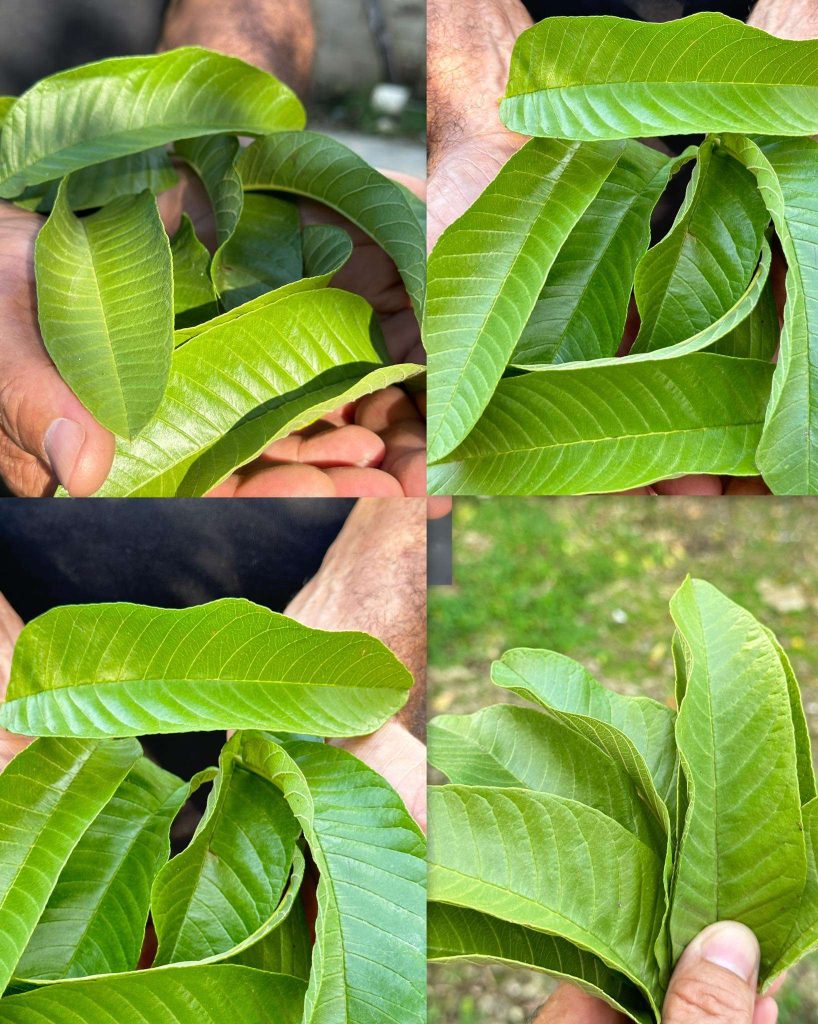
Often overshadowed by the sweet and tangy fruit they produce, guava leaves (from the Psidium guajava tree) are a hidden gem in the world of natural wellness 🌿. While the message "This account has been suspended" signals a halt in digital access, discovering the benefits of guava leaves represents an opening—a gateway to enhanced health supported by both traditional medicine and modern science. This article delves deep into the remarkable properties of these humble leaves, moving beyond superficial claims to explore their proven advantages and practical applications. From brewing a soothing tea to creating topical solutions, we will unpack how this readily available plant can contribute significantly to your health regimen.
Espanol
More Than Just Foliage: The Nutritional & Biochemical Profile
Guava leaves are a potent source of bioactive compounds, which are responsible for their wide-ranging health effects. They are exceptionally rich in antioxidants, particularly flavonoids like quercetin, and vitamins such as Vitamin C and A. Furthermore, they contain beneficial compounds like tannins, saponins, and essential oils. This unique combination grants guava leaves their powerful anti-inflammatory, antimicrobial, and antioxidant properties 🛡️. Unlike the fruit, the leaves are low in sugar but high in these therapeutic compounds, making them a valuable, calorie-free addition to your wellness toolkit.
A Deep Dive into the Key Health Benefits
The applications of guava leaves are impressively diverse. Let's explore the most significant, evidence-backed benefits.
Digestive Health Champion 🤰
Guava leaf tea has been a go-to remedy for various digestive issues for centuries. Its anti-inflammatory properties can help soothe the stomach lining and reduce symptoms of gastritis. More notably, its antimicrobial effects combat harmful gut bacteria like Staphylococcus aureus and Salmonella, while its antispasmodic qualities can relieve uncomfortable cramping and bloating. For acute diarrhea, studies suggest that guava leaf extract can inhibit the activity of the bacteria responsible, shortening the duration of the illness.
Blood Sugar Regulation and Diabetes Support 📊
This is one of the most researched areas. Compounds in guava leaves inhibit certain enzymes that convert carbohydrates into glucose in the bloodstream, potentially preventing blood sugar spikes after meals. Several studies indicate that drinking guava leaf tea can improve insulin resistance and help lower blood sugar levels in people with type 2 diabetes. It is crucial, however, to consult with a healthcare provider before using it as an adjunct therapy, as it may interact with diabetes medications.
Boosting Immunity and Combating Illness 🦠
The high concentration of Vitamin C and antioxidants makes guava leaves an excellent immune system ally. Drinking guava leaf tea at the onset of a cold or flu can provide a comforting effect and may help reduce the severity and duration of symptoms. Its expectorant qualities can also ease coughs and clear respiratory congestion. Think of it as a warm, protective shield for your body during cold season.
Heart Health and Cholesterol Management ❤️
Regular consumption of guava leaf extract may contribute to a healthier heart. Research points to its ability to help lower "bad" LDL cholesterol and triglycerides while raising "good" HDL cholesterol. The antioxidants also help protect the heart from oxidative stress, and the leaves' mild hypotensive effect may aid in managing blood pressure.
Skin and Hair Elixir ✨
Applied topically, guava leaf decoctions can work wonders for skin and hair. Their antimicrobial and anti-inflammatory properties make them effective against acne-causing bacteria and can reduce redness and swelling. Crushed leaves can be used as a poultice on wounds or insect bites to prevent infection. For hair, a rinse made from boiled guava leaves is traditionally used to strengthen hair follicles, combat dandruff, and promote healthy growth.
Practical Guide: How to Use Guava Leaves
Incorporating guava leaves into your routine is simple and cost-effective. Here are the most common methods:
- Tea/Infusion: The most popular method. Steep 5-7 fresh or dried leaves in hot water for 5-10 minutes. Strain and enjoy. You can add honey or lemon for taste.
- Topical Application: Boil a handful of leaves in water for 15-20 minutes. Let it cool and use the liquid as a facial toner, hair rinse, or skin wash.
- Extract & Powder: Commercially available as supplements or in capsule form. Always follow dosage instructions and choose reputable brands.
A crucial safety tip: Ensure the leaves are thoroughly washed if fresh, and source them from areas free of pesticides or chemical contamination. Pregnant or breastfeeding women and individuals on medication should consult a doctor before regular use.
Answers to Common Questions (FAQ) 💭
Can I eat raw guava leaves? While not toxic, they are very fibrous and bitter. It's best to consume them as a tea or in extract form.
How often can I drink guava leaf tea? For most people, 1-2 cups daily is considered safe. Moderation is key.
Where can I find guava leaves? They are available at health food stores (dried), online, or you can pick them from a guava tree if you have access to one.
Conclusion: Embracing a Leaf of Great Value
Far more than mere tree foliage, guava leaves stand out as a versatile and potent natural remedy with a compelling scientific backing. From aiding digestion and regulating blood sugar to enhancing skin health and supporting the immune system, their benefits are both broad and profound. By integrating guava leaf tea or topical applications into your lifestyle, you harness centuries of traditional wisdom validated by modern research. As we seek more holistic approaches to health, the guava leaf serves as a perfect example of how nature provides powerful solutions, often in the most unassuming packages. We encourage you to explore its potential and experience the benefits firsthand. 🌱
Deja una respuesta